





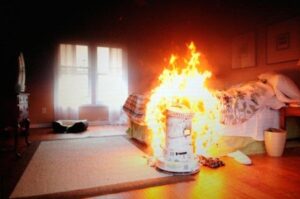
With temperatures expected to plummet into the single digits overnight tonight, a lot of people might be looking to space heaters to help heat their homes. If you plan to use electric, kerosene or wood space heaters, you should be sure that you are using them safely and properly.
In October of 2016 a family of six died in a mobile home fire in Trion. The State Fire Marshal determined the cause of the fire was from an improperly installed wood heater. While using alternative heating sources improperly can be dangerous, they can be a viable alternative or supplement for home heating when they are used and installed properly.
State Insurance and Fire Safety Commissioner John King says what most people don’t realize is that heating equipment is the biggest fire culprit from December through January, and the third leading cause of fire deaths in American homes. The heating equipment itself is not our chief concern; rather human error is involved in nearly all home heating fires in the U.S. — fires that are preventable.
Correct installation, maintenance, fueling and operation of portable and space heaters, as well as safely arranging household items around them, greatly reduces your risk of experiencing a home heating fire. Common mistakes that too often turn deadly include failing to clean chimneys; placing portable or other space heaters too close to furniture, bedding, or clothing; and improper fueling and venting of fueled heating devices.
Heating equipment is the second leading cause of home fires. The estimated 68,400 home heating fires in 1995 (the latest year for which data is available) killed 429 people, and caused just more than 1,800 civilian injuries and more than a half billion dollars in property damage.
Special Advice for Kerosene Heaters, Fireplaces, and Wood Stoves
If you are considering buying a portable kerosene heater, be sure to check with your local building department first to find out if it is legal in your community. Never use gasoline or any other substitute fuel in a portable kerosene heater, the wrong fuel could burn hotter than the equipment’s design limits and cause a serious fire.
If your home has a working fireplace or wood stove, prior to the start of every heating season your chimney should be inspected by a professional for proper installation, cracks, blockages, leaks, or creosote build up. Creosote, a chemical substance that forms when wood burns, builds up in chimneys and can cause a chimney fire if not removed through cleaning. With this in mind, have the chimney cleaned if necessary and always be sure to open the flue for adequate ventilation when using the fireplace. Furthermore, protect your home and your family by using a sturdy fireplace screen when burning fires, and remember to burn only wood. Never burn paper or pine boughs, because those embers can float out the chimney and ignite your roof or a neighboring home.
Comments