






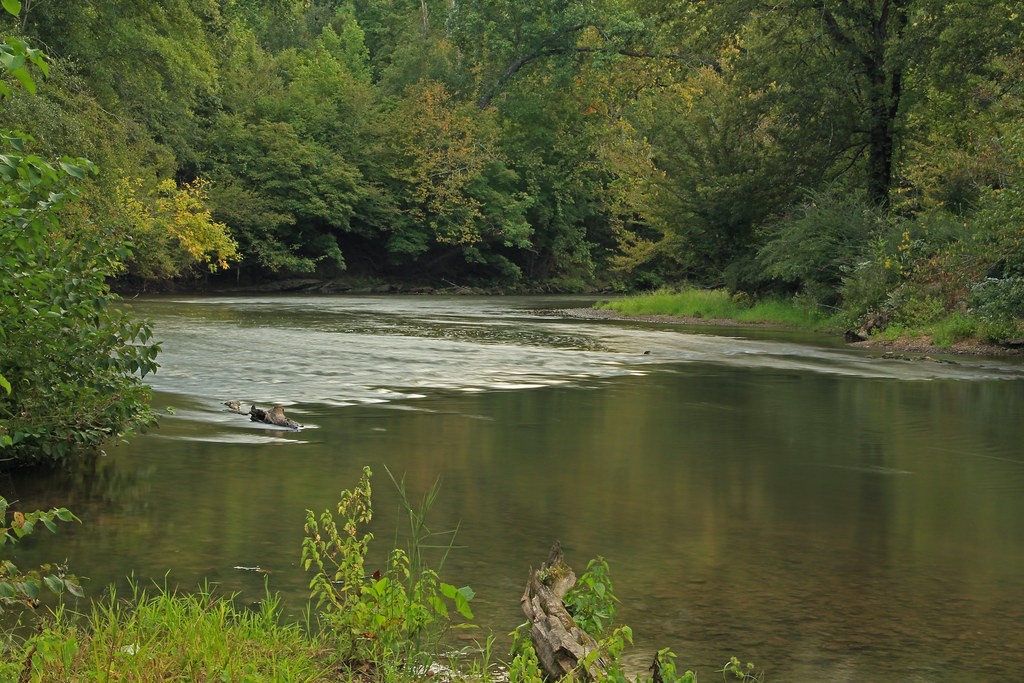
In a significant decision impacting the Chattooga River here in Chattooga County, and waterways across Georgia, a legislative study committee has recommended maintaining the existing definition of “navigability” in state law. The House Study Committee on Navigable Streams released its final report this past week, choosing to keep the status quo intact despite persistent debates between property owners and outdoor enthusiasts regarding public access rights to rivers and streams.
The committee’s conclusion comes after extensive examination of how to ensure Georgians can access the state’s navigable waterways while respecting private property rights. Their recommendation suggests that the General Assembly should refrain from designating which rivers and streams in Georgia are considered navigable. This decision follows a failed legislative attempt earlier this year to define navigability by listing 64 rivers and creeks as “presumed to be navigable.” The ongoing debate was sparked by a property owner’s contentious ban on fishing in the Yellow Jacket Shoals area of the Flint River, leading to a lawsuit against the state. In response, lawmakers initially proposed legislation to codify public fishing rights, yet confusion over navigable waterways remained unresolved.
Outdoor enthusiasts and recreational boaters expressed frustration, claiming that certain property owners were inhibiting their rights to fish and paddle, while landowners countered that some boaters were trespassing and leaving litter. “The prevailing view is that most landowners and outdoor enthusiasts have no problem with one another, but seek respect from one another,” the committee’s report stated. It emphasized that while respect cannot be legislated, legal frameworks concerning trespass can be enforced, and clearer communication about Georgia law is essential. Members of the Freedom to Float Coalition, an alliance of outdoor recreation advocates and environmentalists, voiced their disappointment over the committee’s decision to recommend no changes to boating rights.
Rena Peck, executive director of Georgia Rivers, warned that maintaining the current definition might lead to increased public exclusion from streams and adversely affect the state’s vibrant outdoor recreation economy. “The legislature needs to protect boating on the state’s small streams in order to level the playing field with neighboring states, where recreational boating in canoes and kayaks is protected on all navigable waterways,” Peck asserted.
The study committee convened several meetings throughout Georgia from August to November, culminating in its 11-page report. While the panel presented six recommendations, it remains uncertain whether any of these will translate into legislative action when the 2025 session commences next month.
Comments