









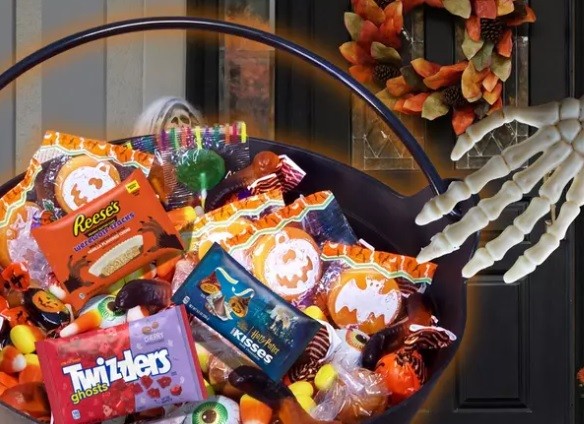
As children eagerly anticipate filling their trick-or-treat bags this Halloween, parents are reminded to shift their focus from spooky costumes to safety, particularly when it comes to the highly coveted candy haul. Ensuring a safe and healthy Halloween night means more than just warding off ghouls; it requires vigilant checks for tampered treats and, crucially, a keen awareness of potential food allergens.
The first line of defense, a long-standing tradition for parents, involves inspecting all collected goodies for any signs of tampering. Experts advise children and parents to immediately discard any candy that appears unwrapped, has torn or unusual packaging, or looks otherwise suspicious. Homemade treats, while often well-intentioned, should also be politely declined or discarded unless they come from a thoroughly trusted source, as their ingredients and preparation methods cannot be verified. Unsealed treats, regardless of their origin, should be thrown away without hesitation.
However, beyond traditional concerns of tampering, a growing and critical focus for many families is managing food allergies. An estimated 1 in 13 children in the U.S. lives with some form of food allergy, making Halloween a potentially hazardous time. Common allergens such as peanuts, tree nuts, milk, and eggs are prevalent ingredients in many popular Halloween candies, posing significant risks ranging from mild reactions to life-threatening anaphylaxis.
To navigate this challenge, careful label reading is paramount. Parents are advised to scrutinize ingredient lists on individual candy wrappers. If a mini-sized candy lacks a full label, parents should check the larger ‘fun-size’ bag it originally came from or visit the candy manufacturer’s website for comprehensive ingredient information. Trusting a candy’s appearance alone is not sufficient.
Furthermore, vigilance extends to understanding potential cross-contamination. Many candies carry disclaimers like “may contain peanuts or other food products” or “processed in a facility that also processes nuts.” These warnings indicate that even if the allergen isn’t a direct ingredient, trace amounts might unintentionally be present due to shared equipment or manufacturing environments, making them unsafe for highly sensitive individuals.
For children with severe allergies, parents might consider a proactive approach. Bringing a supply of pre-approved, safe treats or snacks from home allows the child to enjoy the spirit of trick-or-treating without the anxiety of uncertain candy. Collected unsafe candies can then be swapped for these safe alternatives, or perhaps for small toys or non-food items, ensuring every child can fully enjoy the festive occasion.
Ultimately, the goal is a Halloween that’s both magical and safe for every child. By taking a few extra moments to inspect treats and understand ingredient labels, parents can ensure their little goblins and princesses enjoy their sugary spoils without any unwanted scares.
Comments