







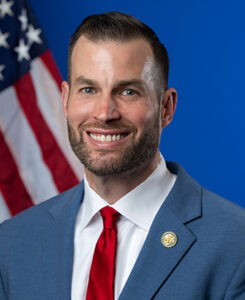
Congressman Clay Fuller voted with a bipartisan majority this week to approve H.R. 6955, the Main Street Capital Access Act, legislation supporters say would make it easier for community banks to lend money to small businesses, farmers and families by reducing certain federal regulatory requirements. The bill passed the House by a 270-155 vote and now heads to the U.S. Senate.
Fuller said greater access to capital helps small businesses expand and create jobs.
“Greater access to capital allows small businesses to grow and create more jobs. I’m working to make Northwest Georgia’s economy the most vibrant it can possibly be, and it starts with strengthening our community banks,” Fuller said.
The legislation is designed to encourage the creation of new community banks, reduce regulatory burdens on smaller financial institutions and allow local lenders to focus more on making loans rather than complying with regulations originally intended for much larger national banks. Supporters, including the American Bankers Association and more than 100 banking and business organizations, say the bill will improve access to credit in rural communities where community banks often play a critical role in financing farms, small businesses and home purchases.
However, the bill has drawn opposition from several consumer advocacy groups.
The National Community Reinvestment Coalition (NCRC) argues the legislation goes beyond helping community banks and instead weakens oversight of the banking industry. The organization says the measure would reduce transparency in fair lending, make it harder to detect discriminatory lending practices, lessen scrutiny of bank mergers and remove regulatory tools used to hold financial institutions accountable.
Supporters counter that many of the regulations targeted by the bill were created for large Wall Street institutions and have unintentionally made it more difficult for smaller hometown banks to compete. They argue easing those requirements could result in more local lending and stronger economic growth, particularly in rural areas like Northwest Georgia.
The legislation must still be approved by the Senate before it can be sent to the President for consideration.
Comments