






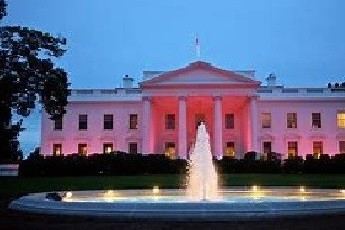
President Trump signed the stimulus bill into law late Sunday, averting a Tuesday government shutdown. His decision to back down and sign the measure will release into the economy $900 billion in stimulus funds that had been held up for nearly a week.
Trump’s new decision to sign the bill came less than a week after he demanded changes to it. It was unclear what prompted him to change his mind late Sunday, but he was under tremendous pressure from Republicans to acquiesce.The government would have shut down on Tuesday if Trump hadn’t acted. In addition to containing money to fund government operations, the spending package also includes emergency relief money that finances a new round of stimulus checks, unemployment aid, and small business assistance, among other things.Congress overwhelmingly passed the bipartisan bill on Monday night. It’s unclear whether the roughly week-long delay would push back the issuance of the payments, or if they could still go out this week.
In addition to a government shutdown on Tuesday, eviction protections for millions of Americans would have lapsed later this week; more than 14 million people would be losing unemployment benefits; and no stimulus checks would be issued. Failing to sign the bill into law would also freeze new money for vaccine distribution, small business aid.
Increasing the stimulus payments from $600 per person to $2,000 per adult would add roughly $370 billion to the cost of the bill. In the Cares Act, which passed in March, lawmakers approved stimulus payments of $1,200, which went out to more than 100 million Americans.
The 5,593-page bill that Trump now has signed was introduced on Dec. 21 and approved by the House and Senate later that day. It was a fast turnaround, but it was supported by broad majorities in both chambers. The Senate passed the measure by a 92 to 6 margin.
Comments