









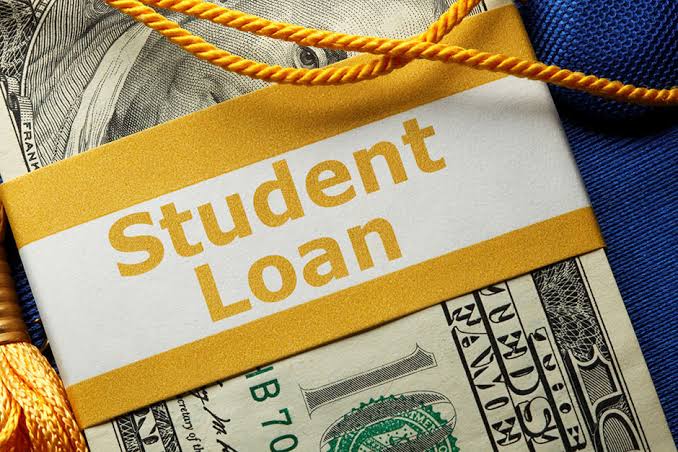
Hundreds of thousands of Georgians are in default on their federal student loans, with the amount of defaulted debt across the state now approaching $11 billion.
According to an Associated Press analysis cited by The Atlanta Journal-Constitution, approximately 396,000 Georgia borrowers — 23 percent of the state’s federal student loan borrowers — are currently in default. Nationally, roughly 9.5 million borrowers, or about one in five, are in default.
A federal student loan generally enters default after a borrower goes more than nine months without making required payments. Default can have significant financial consequences, including damaged credit and the possibility of the federal government garnishing wages or withholding federal tax refunds.
Georgia’s defaulted student loan balance now totals nearly $11 billion, putting the state behind only Texas, California, Florida and New York in total defaulted student debt. Georgia also ranks among the states with the highest average student loan debt, at approximately $43,800 per borrower.
The number of Georgia borrowers falling seriously behind has risen sharply following the end of pandemic-era student loan relief. Since the payment pause ended, the number of borrowers in Georgia who are more than 360 days delinquent has increased by approximately 191,000.
Borrowers had gone several years without normal collection activity during the pandemic payment pause and a subsequent one-year transition period. That grace period ended in the fall of 2024, allowing borrowers to begin falling into default again by the summer of 2025.
Experts point to several factors contributing to the increase, including confusion surrounding the restart of payments, changes to repayment programs and years of legal battles over federal student loan policies. The elimination of the SAVE repayment plan has created additional uncertainty for millions of borrowers who had been enrolled in the program.
Federal guidance recommends that borrowers who are behind but have not yet entered default contact their loan servicer to determine their current status and available repayment options. Options for borrowers already significantly delinquent can include loan consolidation or rehabilitation agreements, depending on their circumstances.
The latest figures underscore the scale of the student debt problem in Georgia as thousands of students prepare to return to college campuses for the fall semester.
Comments