










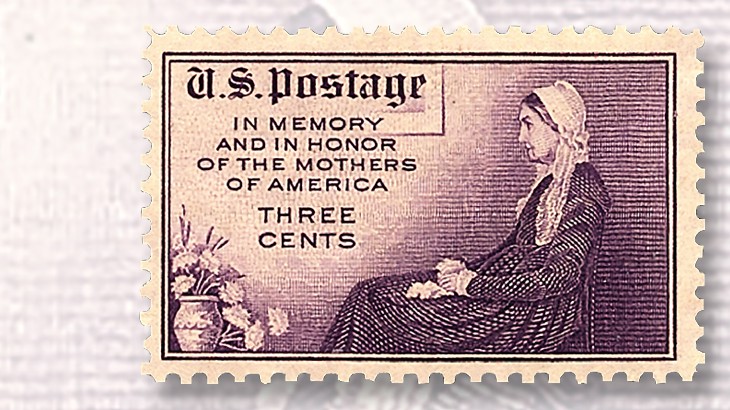
Mother’s Day, celebrated annually on the second Sunday of May, is a cherished national holiday in the United States dedicated to honoring mothers. However, its origins are far more complex than the traditional cards and flowers suggest, stemming from a rich history of peace activism and social reform. The official establishment of Mother’s Day in 1914 by President Woodrow Wilson marked the culmination of years of advocacy and grassroots movements. While the day is now associated with familial celebration, its early iterations were driven by powerful women seeking to unite mothers for a greater cause.
One such figure was Julia Ward Howe, the renowned author of “The Battle Hymn of the Republic.” In 1870, Howe penned the “Mother’s Day Proclamation,” a passionate call for mothers to unite across national boundaries and advocate for world peace. Even earlier, in 1868, Ann Jarvis, a social activist and Civil War nurse, organized “Mother’s Friendship Day” aimed at fostering reconciliation after the devastating conflict. The modern iteration of Mother’s Day largely credits Anna Jarvis, Ann’s daughter, for her tireless efforts to establish a national day of recognition for mothers. Driven by a desire to memorialize her own mother and honor the sacrifices of all mothers, Anna Jarvis launched a fervent campaign in the early 1900s. In 1908, Jarvis organized the first official Mother’s Day event in Grafton, West Virginia. This included a memorial service and the symbolic distribution of white carnations, which became a lasting emblem of the holiday.
By 1912, the movement had gained significant traction. Numerous states and towns had begun recognizing Mother’s Day, and Jarvis solidified her efforts by establishing the Mother’s Day International Association. Finally, in 1914, President Woodrow Wilson officially designated the second Sunday in May as Mother’s Day, cementing its place in American culture and transforming a call for peace into a nationwide celebration of motherhood.
While the holiday has evolved over time, its roots remain firmly planted in the ideals of peace, unity, and appreciation for the unwavering contributions of mothers.
Comments