










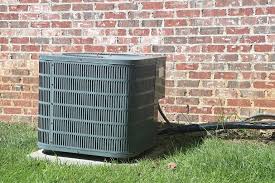
As the temperature rises outside, it is getting more expensive to cool the inside of your home if you are Georgia Power customer. The state’s largest utility was able to get approval from the Georgia Public Service Commission earlier this year to hike your power bill to help them pay for the expansion of Plant Vogle near the South Carolina boarder in Waynesboro, Georgia.
The rate hike comes at a bad time for many families who are facing higher prices at the grocery store and for back-to-school supplies and with their property taxes.
The Georgia Public Service Commission – an elected board that is supposed to oversee utilities in the state – voted to let Georgia Power charge $6.6 Billion extra to the 2.7 million customers serviced by the company for the next three years.
The rate hike went into affect in June and has raised the average Georgia Power bill almost $16 per month.
Georgia Power had already increased rates in January of this year – and they are planning another rate hike for later in the year, just in time for those winter heating bills.
Here are some tips that might help you cope with the higher costs this summer:
- Think thermostat – Heating and cooling costs make up nearly half of your average power bill. Set manual thermostats to 78 in the summer for peak efficiency and make the most of programmable thermostats, which help decrease energy use based on your lifestyle. If you’re going to be away from home for a long period of time, set your thermostat even higher, or turn it off completely.
- Insulate – An attic insulation of R-30 will help achieve lower heating and cooling bills.
- Seal ductwork – Leaky ductwork often accounts for 10-30% of total heating and cooling costs.
- Use your fans – A ceiling fan costs only about $1.50 a month to operate and will help you feel cooler without having to adjust your thermostat.
- Clear air vents – To maintain consistent temperatures throughout your home, keep air vents and return-air registers clear of obstructions such as furniture, curtains and rugs.
- Trim plants and change filters – To ensure your unit receives proper air flow, change filters once a month, or every three months for pleated filters and trim plants around your outside units.
- Caulk and strip – Replace cracked or peeling caulk or weather stripping around doors and windows to save up to 10 percent on energy use.
- Use blinds and curtains – Cover sun-facing windows with blinds or curtains to help limit direct sunlight and heat from entering your home.
- Use double pane/storm windows – They provide additional insulation.
- Unplug certain electronics – Electronics account for 5 percent to 10 percent of household electricity use. Save up to $100 a year by either using an advanced power strip or unplugging electronics when not in use.
Comments