










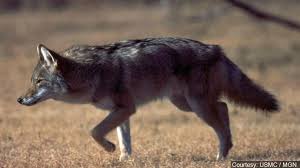
As urbanization pushes wildlife closer to residential areas, Northwest Georgia residents are advised to distinguish between the rare public safety risk posed by coyotes and the very real threat they present to domestic animals. Wildlife experts emphasize that while the fear of coyotes is often disproportionate, vigilance is crucial, particularly when protecting small pets and livestock.
Coyotes are found in all 159 counties of Georgia and have adapted successfully to suburban and even urban environments. Increased visibility and activity, especially at dusk and after dark, have heightened concern among homeowners. The greatest threat coyotes pose in Northwest Georgia is not to people – but pets and backyard poultry. Coyote attacks on livestock, pets and backyard chickens are most common from January to March, during breeding season.
The Primary Target: Small Pets and Livestock
Small domestic animals represent the most vulnerable population. Cats and small-breed dogs are common targets for predation, particularly if allowed to roam freely at night.
- Small Pets: Owners of cats and toy dogs must exercise extreme caution. Unattended animals, especially at night or near wooded areas, face the highest risk.
- Poultry and Small Livestock: Chickens, ducks, and young goats or sheep are frequently targeted. Wildlife officials stress the necessity of secure, enclosed coops and pens to prevent nighttime raids.
- Dogs: While coyotes prefer smaller prey, they are known to harass and occasionally attack larger dogs, especially when defending territory or during periods of high food need.
Addressing the Human Fear: Attacks Remain Extremely Rare
Despite the high public anxiety following coyote sightings, attacks on humans—even small children—are categorized by wildlife agencies as incredibly rare events. The ubiquity of the animal, coupled with rapid urbanization and habitat encroachment across Northwest Georgia, is the primary driver of the increased interaction. Coyotes have developed a high tolerance for human activity, leading to more frequent daytime sightings.
Mitigation: Practical Steps to Reduce Risk
Wildlife management officials reiterate that the most effective way to address the coyote issue is through proactive management of property and food sources, rather than attempting eradication.
Residents can significantly reduce the risk of coyote interaction and predation by following these preventative measures:
- Pet Safety: Keep all small pets indoors or closely supervised and leashed, especially between dusk and dawn. Never leave a pet unattended in the yard after dark.
- Secure Food Sources: Do not leave pet food, water, or treats outside. Secure all garbage cans with heavy, tight-fitting lids, or store them in a garage or shed until collection day.
- Livestock Protection: Ensure all poultry and small livestock are housed in sturdy, enclosed structures (coops or barns) that are fully secured from ground level to the roof, especially at night.
- Property Deterrence: Install secure fencing around yards and gardens. If a coyote is seen on the property, use “hazing” techniques (loud noises, yelling, throwing small objects) to reinforce the coyote’s natural fear of humans.
- General Awareness: Never attempt to feed a coyote. Be cautious and aware of your surroundings when walking near wooded or semi-rural areas early in the morning or late evening.
Wildlife officials encourage residents to implement these simple behavioral changes to foster a safe coexistence with the adaptable canine population that now calls Northwest Georgia home.
Comments