










As Northwest Georgia continues to experience a prolonged period of dry weather, residents should prepare for an increased likelihood of encountering venomous snakes, particularly species like the common copperhead. Experts warn that these reptiles are becoming more visible as they actively search for vital food and water sources.
With dry conditions expected to persist over the next several days, snakes, which are cold-blooded creatures, are driven to seek out moisture and prey in any available damp areas. This means residents might spot them in unexpected places, from natural marshes and wetlands to the more familiar surroundings of cluttered backyards, woodpiles, and rocky landscapes where they often find shelter.
While some venomous species, such as the Cottonmouth, are semi-aquatic and naturally inhabit wet environments, others like the Eastern Diamondback Rattlesnake and the pervasive copperhead thrive in dry, wooded, and rocky environments. Warm temperatures, even amidst dry spells, ensure these snakes remain active, further increasing the chance of encounters.
Why Snakes May Be More Visible Now:
- Seeking Food and Water: The lack of moisture pushes snakes to search for hydration and their prey (like rodents and other small animals) in any available wet spots, including those in or near human habitation.
- Preferred Habitat: Species like the copperhead are highly adaptable and can be found in a variety of dry areas like rocky outcrops or wood piles, which are frequently located close to residential areas.
Key Georgia Venomous Snakes to Know:
Georgia is home to several venomous snake species that residents should be aware of:
- Copperhead: A common pit viper known for its distinctive hour-glass markings, found in diverse habitats, often near human development.
- Cottonmouth (Water Moccasin): A semi-aquatic snake preferring wetlands, swamps, and river floodplains.
- Pygmy Rattlesnake: A smaller, highly venomous rattlesnake adaptable to both wet and dry environments.
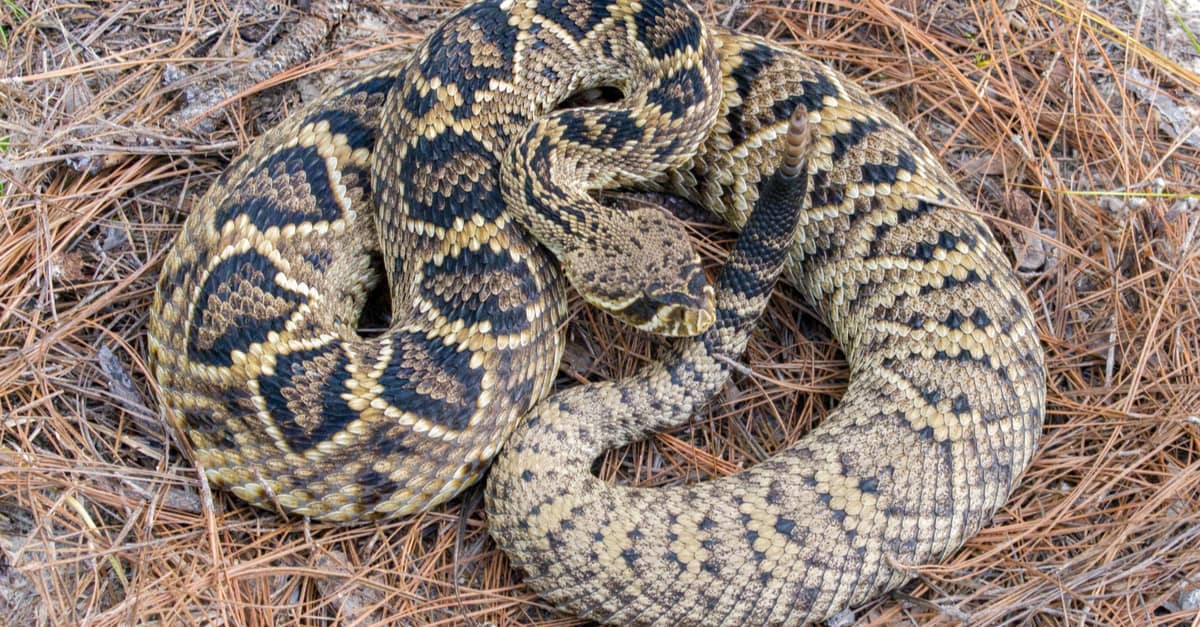
- Eastern Diamondback Rattlesnake: The largest venomous snake in North America, typically found in upland pine forests and sandy areas.
What to Do if You Encounter a Venomous Snake:
The Georgia Department of Natural Resources (DNR) offers critical advice for residents who encounter a snake:
- Give them space: Maintain a safe distance and admire venomous snakes from afar. A good rule of thumb is to remain several feet away.
- Do not attempt to handle: Never try to capture, move, or kill a snake. The vast majority of snake bites occur when individuals attempt to interact with the reptile, either out of curiosity or fear.
By staying vigilant, keeping yards tidy, and adhering to safety guidelines, Georgians can minimize risks and safely coexist with the state’s diverse wildlife, even during periods of environmental change.
Comments