










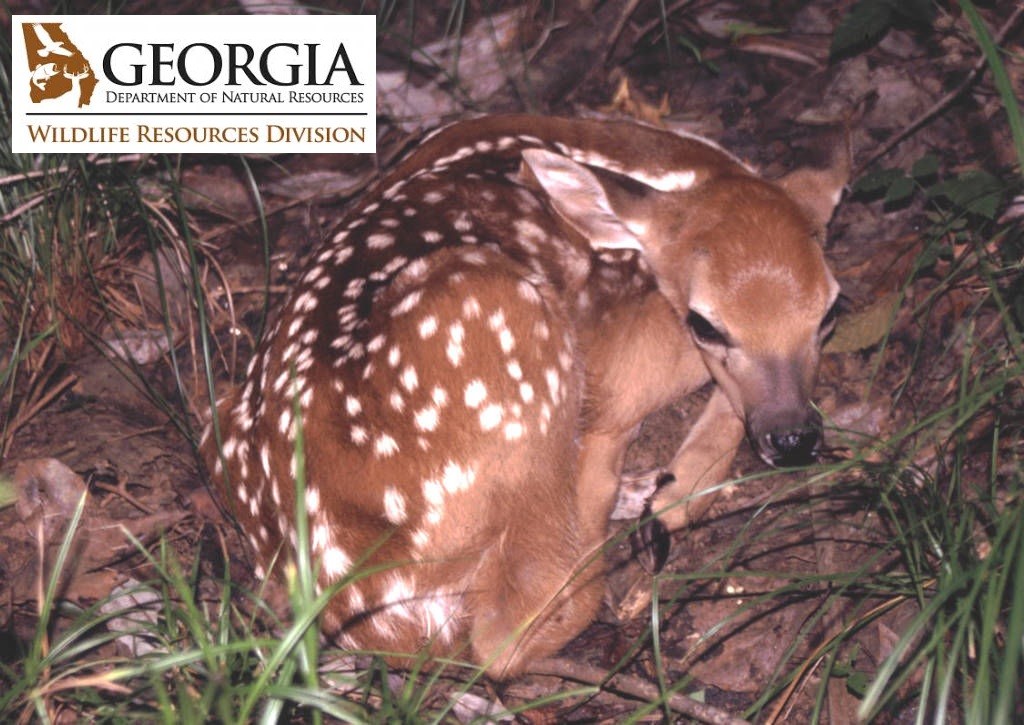
The Georgia Department of Natural Resources’ Wildlife Resources Division (DNR WRD) is reminding residents to resist the urge to “rescue” wildlife, even if they appear to be orphaned or injured. While good intentions are appreciated, interfering with wildlife often does more harm than good.
“We know you want to help. But sometimes the help we want to provide is actually doing more harm than good,” explains Ben McCullar, wildlife biologist and program manager of the Georgia DNR WRD Urban Wildlife Program. He emphasizes that wildlife, including young birds, bunnies, and fawns, rarely need human intervention. Removing them from their natural habitat drastically reduces their chances of survival in the wild, where they rightfully belong. The DNR WRD strongly recommends observing any wildlife from a distance for at least 24 hours before taking any action. If the animal remains in the same location after this period, contact your local WRD office for guidance (GeorgiaWildlife.com/about/contact).
Many concerned citizens assume seemingly alone young animals are orphaned. However, McCullar clarifies, “While it may appear that a young animal is alone, the adult animal is usually close by even though you may not be able to see it. Adult animals, such as deer, spend most of the day away from their young to reduce the risk of a predator finding the young animal.” Furthermore, wildlife, especially young animals, require specialized care and nutrition that untrained individuals cannot provide. Improper care can render them unable to survive independently upon release. Georgia law also prohibits the possession of most wildlife without a permit.
Instead of interfering, the DNR WRD encourages residents to appreciate wildlife from a safe distance and allow nature to take its course. For more information on coexisting with wildlife, visit https://georgiawildlife.com/living-with-wildlife
Comments