










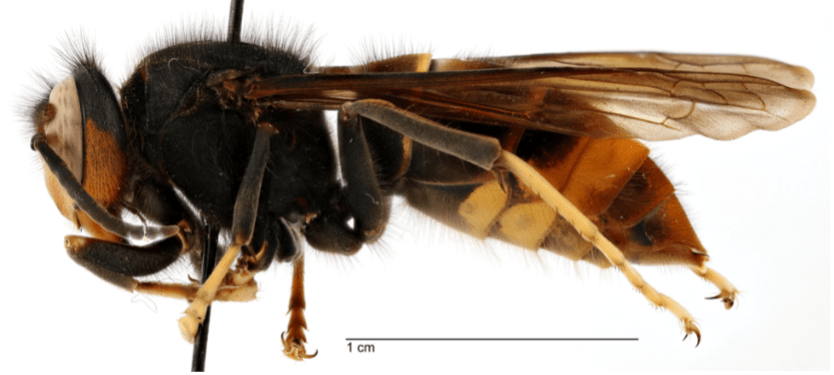
Georgia agriculture officials are continuing their plea for residents to report any sightings of the invasive yellow-legged hornet, aiming to curb the spread of the destructive insect before it establishes a stronger foothold in the state.
Agriculture Commissioner Tyler Harper emphasized the importance of public participation, stating that primary nests of the hornets, which begin to appear in late spring and early summer, need to be identified and eradicated quickly. “We are continuing to ask for the public’s help in our effort to eradicate the Yellow-legged Hornet from our state,” said Harper. “By reporting sightings of early-season embryo nests—and now primary nests—we can stop yellow-legged hornets before they establish the larger secondary nest.” Officials warn that failing to act swiftly could lead to the formation of much larger secondary nests later in the season, making eradication significantly more difficult. Effective intervention now is crucial to protecting Georgia’s vital agricultural industry. “It’s crucial that we act swiftly and work together to protect Georgia’s number one industry – agriculture,” Harper added.
What You Should Do:
Stay Alert: Be on the lookout for primary nests. These nests are larger than embryo nests but considerably smaller than secondary nests. They are often found in trees, shrubs, and other elevated locations.
Report Sightings: If you suspect you have found a yellow-legged hornet nest, DO NOT attempt to remove it yourself. Instead, contact the GDA Plant Protection Division at yellow.legged.hornet@agr.georgia.gov or a licensed pest management professional to ensure the queen is properly eradicated.
For more information about the yellow-legged hornet and its impact, visit agr.georgia.gov/yellow-legged-hornet online. Your vigilance and prompt reporting can play a critical role in protecting Georgia’s agriculture.
Comments