









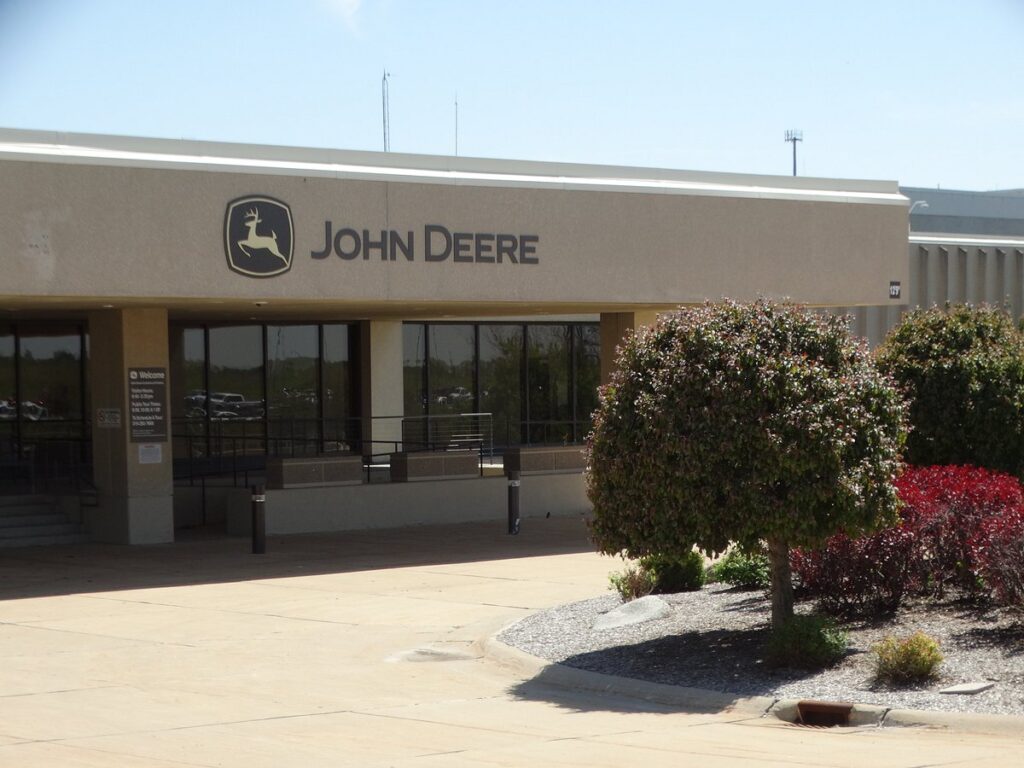
A landmark settlement between John Deere, the Federal Trade Commission, and five state attorneys general is expected to significantly change how farmers repair their equipment, giving owners and independent repair shops access to many of the same tools previously available only to authorized John Deere dealerships.
The 10-year agreement resolves an antitrust lawsuit that alleged Deere unlawfully restricted access to diagnostic software and repair capabilities, forcing farmers to rely on authorized dealers for many repairs and increasing repair costs and downtime. Deere did not admit wrongdoing as part of the settlement.
Under the agreement, John Deere must provide farmers and independent repair providers with the same repair resources currently available to its dealer network on fair and reasonable terms. That includes electronic diagnostic software capable of reading, clearing, and resetting fault codes; the ability to reprogram electronic components and pair replacement parts with equipment; and tools to restart equipment following emissions-related shutdowns, commonly known as “limp mode.” Farmers and independent technicians will also gain access to technical manuals, troubleshooting information, product improvement programs, and other repair guidance used by dealership service departments.
The settlement also requires Deere to make future repair resources available once they have been deployed to more than half of its authorized dealer network. In addition, the company must notify customers about the availability of these resources, instruct dealers to support their use, and refrain from retaliating against farmers or independent repair shops that choose to perform their own repairs rather than using dealership service departments. The FTC will oversee Deere’s compliance with the agreement for the next 10 years.
The announcement is being hailed as a major victory for the growing “right-to-repair” movement, which has argued that owners should be able to maintain and repair the equipment they purchase without unnecessary manufacturer restrictions. Advocates say expanded access to software and diagnostic tools could reduce costly downtime during planting and harvest seasons, when waiting for dealership service can have significant financial consequences.
The FTC said the agreement is intended to increase competition in the agricultural equipment repair market while lowering costs and giving farmers more flexibility in deciding who repairs their machinery.
Comments