








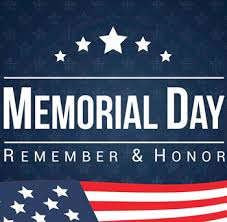
Memorial Day is more than an excuse for a three-day weekend. Originally known as “Decoration Day”, the idea to honor those who have given their lives in battle came following the American Civil War when Southern widows would decorate the graves of their fallen loved ones.
American’s embraced the notion of “Decoration Day” immediately. In the late 1800’s, more than 27 states held some sort of ceremony, with more than 5,000 people in attendance at a ceremony at Arlington National Cemetery. By 1890, every former state of the Union had adopted it as an official holiday.
But for more than 50 years, the holiday was used to commemorate those killed just in the Civil War, not in any other American conflict. It wasn’t until America’s entry into World War I that the tradition was expanded to include those killed in all wars, and Memorial Day was not officially recognized nationwide until the 1970s, with America deeply embroiled in the Vietnam War.
The Uniform Monday Holiday Act of 1968 went into effect, moving Memorial Day from its traditional observance on May 30 (regardless of the day of the week), to a set day—the last Monday in May. The move has not been without controversy, though. Veterans groups, concerned that more Americans associate the holiday with first long weekend of the summer and not its intended purpose to honor the nation’s war dead, continue to lobby for a return to the May 30 observances. For more than 20 years, their cause was championed by Hawaiian Senator—and decorated World War II veteran—Daniel Inouye (D), who until his 2012 death reintroduced legislation in support of the change at the start of every Congressional term.
Today, we want to urge everyone to take time to remember why we celebrate and say “thank you” to all those who have given their lives for our freedom.
Comments