


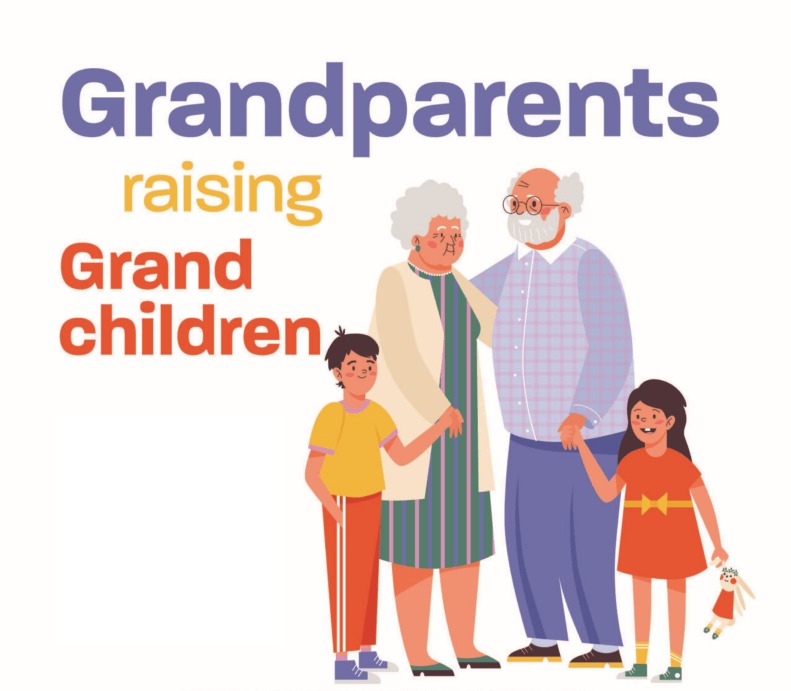
In Chattooga County, the role of “grandparent” is increasingly becoming something much bigger than weekend visits and holiday gatherings. Current figures show that about 1 in every 70 people in Chattooga County is a grandparent who is caring for grandchildren, and the number of grandparents raising children has seen a 34% increase in recent years. The growing trend is reshaping family life across the county and creating new financial, social, and community needs.
For many grandparents, stepping back into a parenting role happens suddenly and often without warning. Some take in grandchildren because of a family crisis, health issues, substance use, incarceration, housing instability, or other situations that leave children needing a safe home. While many families describe these arrangements as acts of love and stability, they can also bring significant pressure, especially for older adults living on fixed incomes or dealing with health limitations.
The financial impact can be immediate. Grandparents may face unexpected costs for food, clothing, school supplies, transportation, child care, and medical needs—often while trying to maintain retirement savings or cover medical expenses of their own. Household budgets that were built for one or two adults can be stretched thin when children are added. In some cases, grandparents also take on legal costs if guardianship, custody, or court involvement becomes necessary, making access to affordable legal help and social services even more important.
Beyond finances, there are social challenges that families may not anticipate. Grandparents raising children can experience isolation as their peers are in a different season of life, while they’re attending school events, navigating homework, and managing youth activities. At the same time, children being raised by grandparents may carry emotional stress or trauma tied to the circumstances that led to the new living arrangement. That can create a need for counseling services, school-based support, and stable routines to help kids thrive.
The trend also has broader community implications. Schools may see more grandparent-led households needing help with enrollment paperwork, transportation, after-school arrangements, and communication. Health providers may need to accommodate grandparents who are managing pediatric appointments alongside their own care. Churches, nonprofits, and community organizations often become critical support systems, offering food assistance, clothing closets, mentoring programs, and respite opportunities.
As the number of grandparents raising grandchildren continues to grow, local leaders and service providers across Chattooga County may face increasing demand for resources that support kinship caregivers—everything from financial assistance and mental health services to parenting support groups and legal guidance. Advocates say recognizing and supporting these families strengthens the entire community by keeping children in stable homes and connected to family.
Comments