










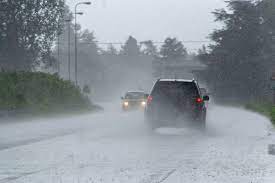
Residents of Northwest Georgia, including Chattooga County, are looking to the skies with cautious optimism as showers are forecast to bring much-needed moisture to the region this weekend. The anticipated rainfall offers a glimmer of hope against a backdrop of developing dry conditions that have left local ecosystems parched.
As of mid-October 2025, Chattooga County has been classified as “Abnormally Dry” (D0) on the U.S. Drought Monitor scale. While this designation represents the least severe category of drought, a prolonged absence of significant rainfall has led to noticeable soil moisture deficits and visible stress on vegetation across the area. A stubborn high-pressure system has been responsible for blocking rain-bearing systems in recent weeks, contributing to the drying trend that is being observed throughout North and Central Georgia.
The good news comes in the form of a developing weather system expected to bring showers to Northwest Georgia over the weekend of October 18th and 19th, 2025. Current forecasts indicate a promising 70% chance of rain by Sunday. This shift in weather patterns is being met with anticipation, with reports from local radio stations highlighting the expectation of “much-needed rain” coupled with cooler temperatures. This precipitation has the potential to provide immediate relief to the dry soil and struggling plant life.
However, experts caution that while this rainfall event will be beneficial, it may not be a definitive solution to the region’s dry spell. Without consistent and substantial rainfall in the coming weeks and months, Chattooga County could see its “Abnormally Dry” status quickly escalate to moderate (D1) or even severe (D2) drought conditions, according to outlooks from earlier in October.
Further complicating the long-term outlook, meteorological predictions suggest a La Niña climate pattern is on the horizon. This phenomenon is typically associated with warmer and drier conditions for Georgia during the winter months, potentially prolonging any dry periods and exacerbating drought concerns if rainfall remains insufficient.
For now, residents are encouraged to monitor the evolving forecast and prepare for the possibility of a welcome soaking, while awareness of the broader climate patterns remains crucial for understanding the region’s ongoing water resource management needs.
Comments