







With dangerous heat and heat index values climbing above 100 degrees across Northwest Georgia, veterinarians and agricultural experts are urging pet owners and livestock producers to take extra precautions to protect animals from heat-related illness.
Pets should always have access to plenty of fresh, cool water and shaded areas outdoors. Dogs should be walked during the early morning or late evening when temperatures are lower, and owners should avoid hot pavement, which can quickly burn paw pads. Animals should never be left unattended in a parked vehicle, where temperatures can become deadly within minutes, even with the windows cracked.
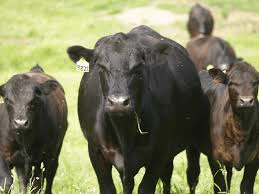
Livestock also face significant risks during prolonged periods of extreme heat. Farmers should ensure cattle, horses, goats, sheep, and other animals have continuous access to clean water and adequate shade. Extra water sources may be needed, as animals consume significantly more water during hot weather. Producers should avoid transporting or working livestock during the hottest part of the day whenever possible.
Owners should watch closely for signs of heat stress, including excessive panting, drooling, weakness, rapid breathing, staggering, or collapse. Livestock may also bunch together, eat less, or appear lethargic. Any animal showing signs of heat exhaustion should be moved to a cooler area immediately, offered water if able to drink safely, and evaluated by a veterinarian as soon as possible.
With hot weather expected to continue through much of the week, taking simple precautions can help keep both household pets and farm animals safe until temperatures moderate.
Comments