









Ongoing drought conditions across Georgia are creating challenges for farmers and livestock owners, with hay supplies tightening and prices climbing.
Recent data shows nearly all of Georgia is experiencing some level of drought, putting stress on pastures and limiting grass growth needed for hay production.
Agriculture experts say reduced rainfall is cutting hay yields while at the same time increasing demand, forcing many farmers to either pay higher prices or secure hay earlier than usual. In some cases, producers are already planning ahead to avoid shortages later in the year.
The drought is also increasing production costs. Lower yields combined with rising expenses for fuel, fertilizer, and other inputs are pushing the cost per bale higher, meaning those price increases are being passed along to livestock owners.
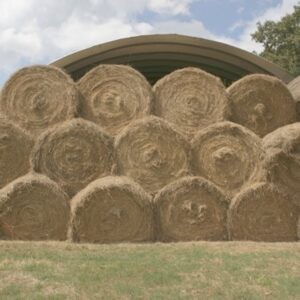
Hay prices can vary widely depending on type and size, but in 2026, large round bales are commonly ranging from $60 to $160, with higher prices expected in drought-affected areas where supply is limited.
For farmers in Northwest Georgia, the situation is especially concerning as pasture conditions continue to struggle. Experts say careful management and planning will be critical as producers work through what could be a challenging growing season.
Ultimately, the drought’s impact on hay could ripple beyond the farm, affecting livestock operations, local agriculture, and potentially food prices if conditions persist.
Comments