









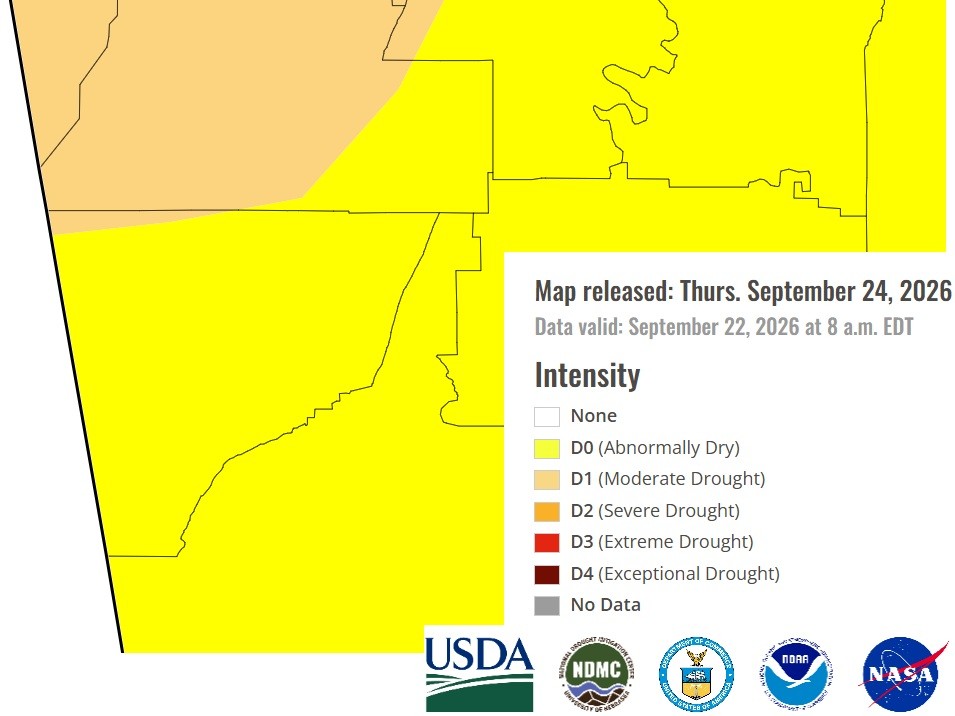
Dry conditions are worsening in Chattooga County, with a portion of the county now officially classified as being in moderate drought.

Dry conditions are worsening in Chattooga County, with a portion of the county now officially classified as being in moderate drought.
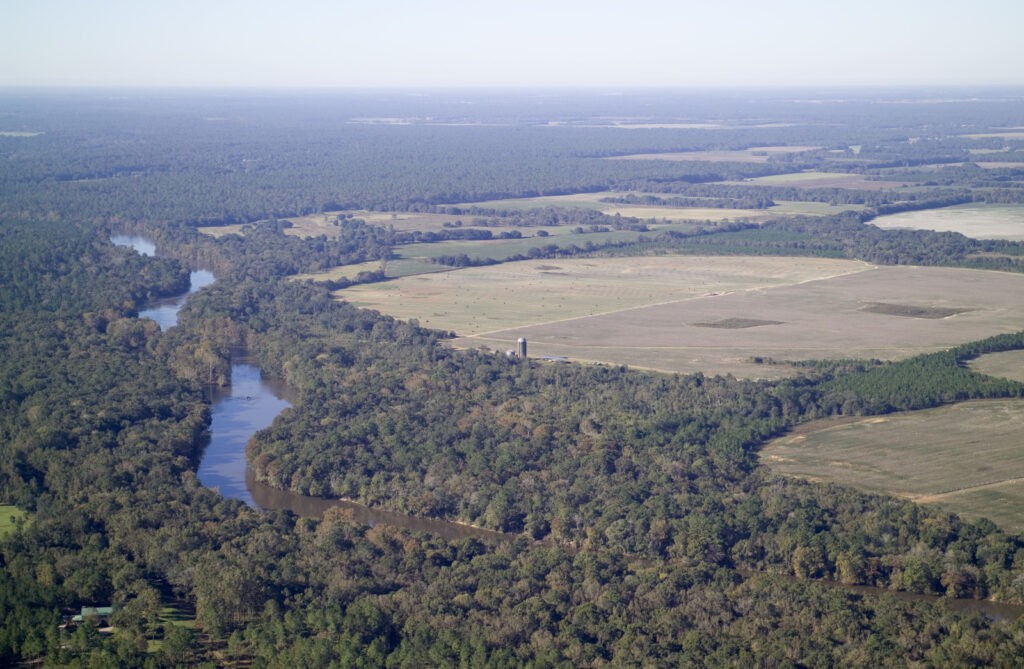
After months of severe drought that brought dry pastures, stressed crops and concerns over water supplies, Georgia has experienced a dramatic turnaround — and Northwest Georgia is among the areas seeing substantial improvement.
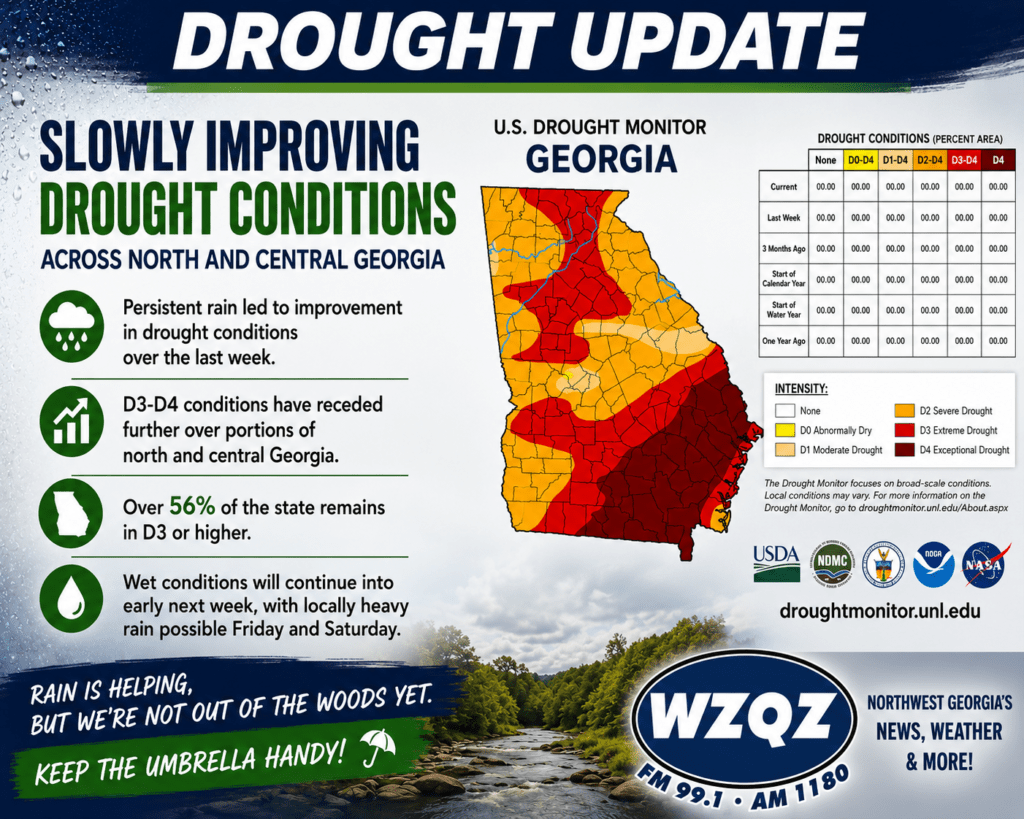
Weeks of steady rainfall are beginning to make a noticeable difference across Northwest Georgia, with drought conditions continuing to improve throughout the region.
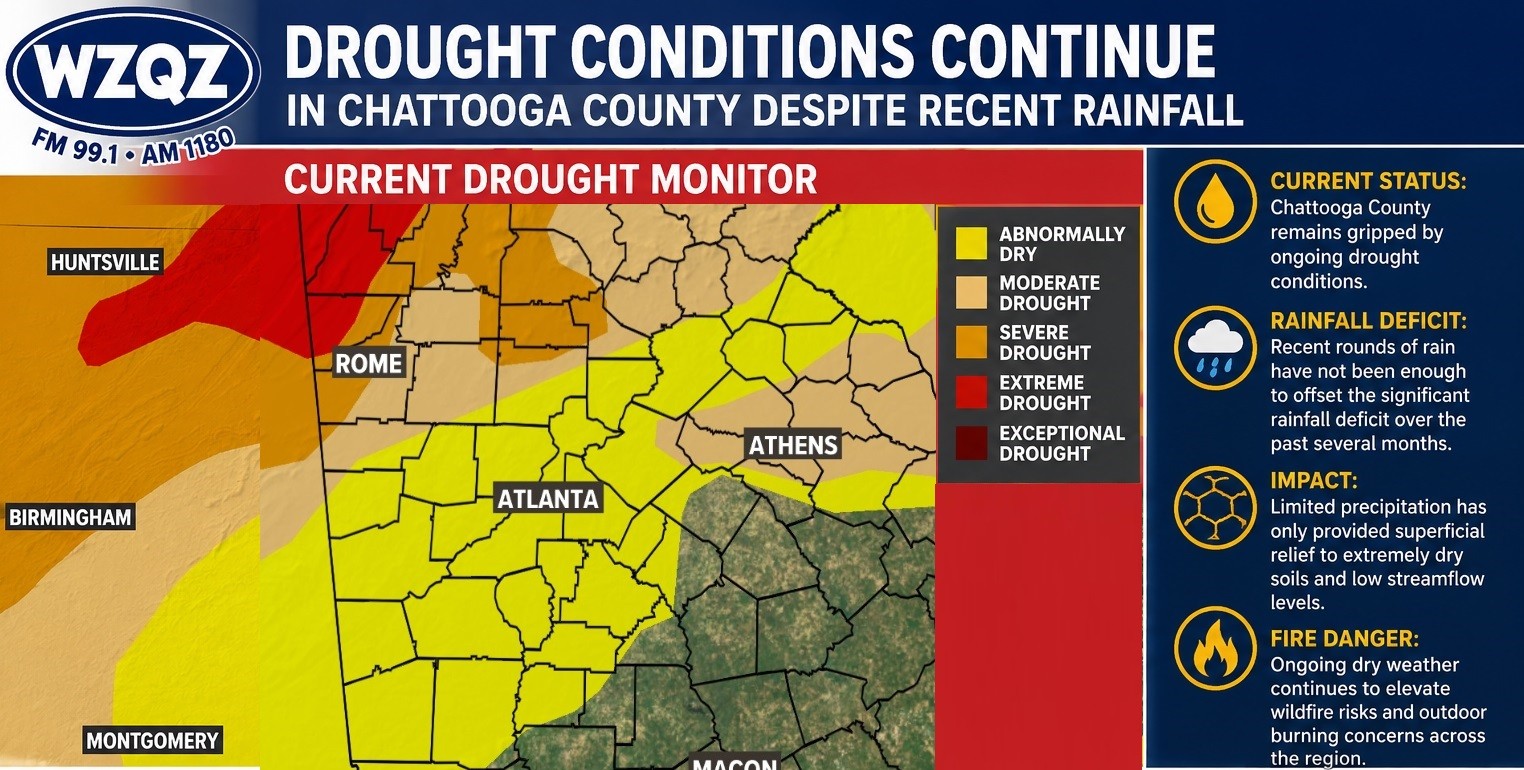
Despite several rounds of rainfall across Northwest Georgia in recent days, drought conditions continue to persist in Chattooga County, according to weather officials and drought monitoring data.
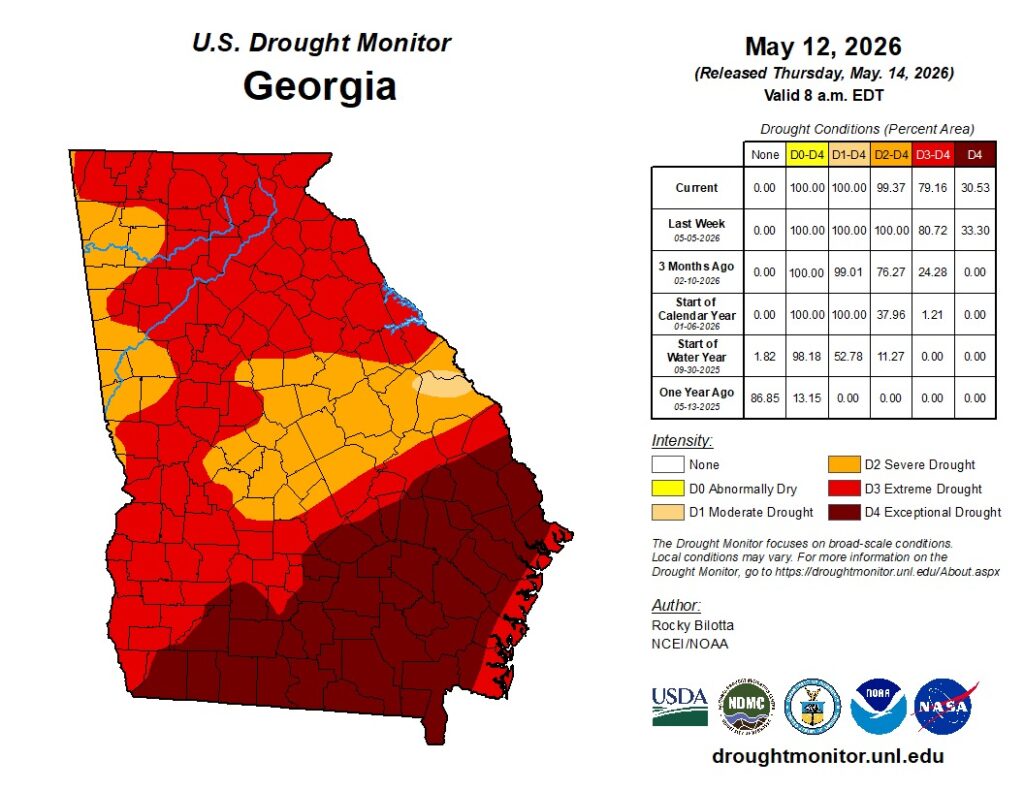
Even with several rounds of recent rainfall across northwest Georgia, drought conditions continue to grip Chattooga County and much of the Southeast.
According to the latest U.S. Drought Monitor, Chattooga County remains in drought conditions, with officials saying recent rain has provided only limited relief to extremely dry soil and low streamflow levels.
Weather experts say the region remains well below normal rainfall totals over the past several months, and ongoing dry conditions have continued to elevate wildfire danger across Georgia and neighboring states.
The National Drought Mitigation Center reports that much of Georgia remains in moderate to severe drought categories despite scattered rain events in recent weeks. Forecasters say isolated showers may temporarily improve surface conditions, but more widespread and sustained rainfall will be needed before meaningful drought recovery occurs.
Recent dry weather has also contributed to elevated fire weather concerns across north Georgia, with low humidity and dry vegetation increasing the risk for brush fires and wildfires.
Meteorologists say warmer temperatures expected over the coming days could worsen evaporation rates and place additional stress on already dry ground conditions.
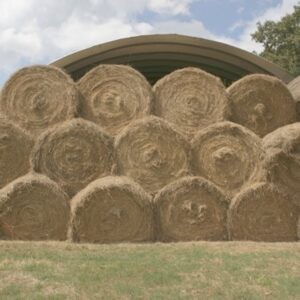
Ongoing drought conditions across Georgia are creating challenges for farmers and livestock owners, with hay supplies tightening and prices climbing.
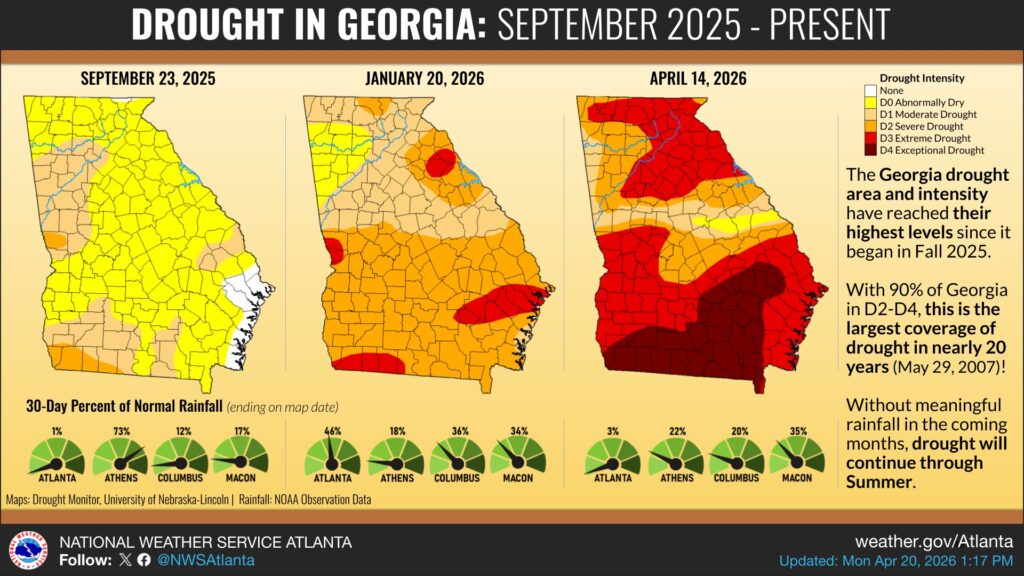
Drought conditions continue to intensify across Georgia, with new data showing much of the state now experiencing severe to extreme drought levels.
According to the National Weather Service in Atlanta, drought conditions have steadily worsened since last fall. Maps comparing conditions from September 2025 to now show a dramatic expansion of dry conditions, with nearly the entire state now impacted.
As of mid-April, about 90 percent of Georgia is classified in severe to exceptional drought, marking the largest coverage of drought in nearly 20 years.
Rainfall totals have been well below normal in recent months. In some areas, including parts of North Georgia, rainfall has dropped to just a fraction of typical levels, contributing to worsening soil moisture and increasing stress on crops, water supplies, and vegetation.
Locally, these dry conditions are already contributing to elevated fire danger across Chattooga County and Northwest Georgia, with officials urging residents to use caution with outdoor burning.
Forecasters say that without meaningful rainfall in the coming weeks, drought conditions are expected to persist and could continue into the summer months.
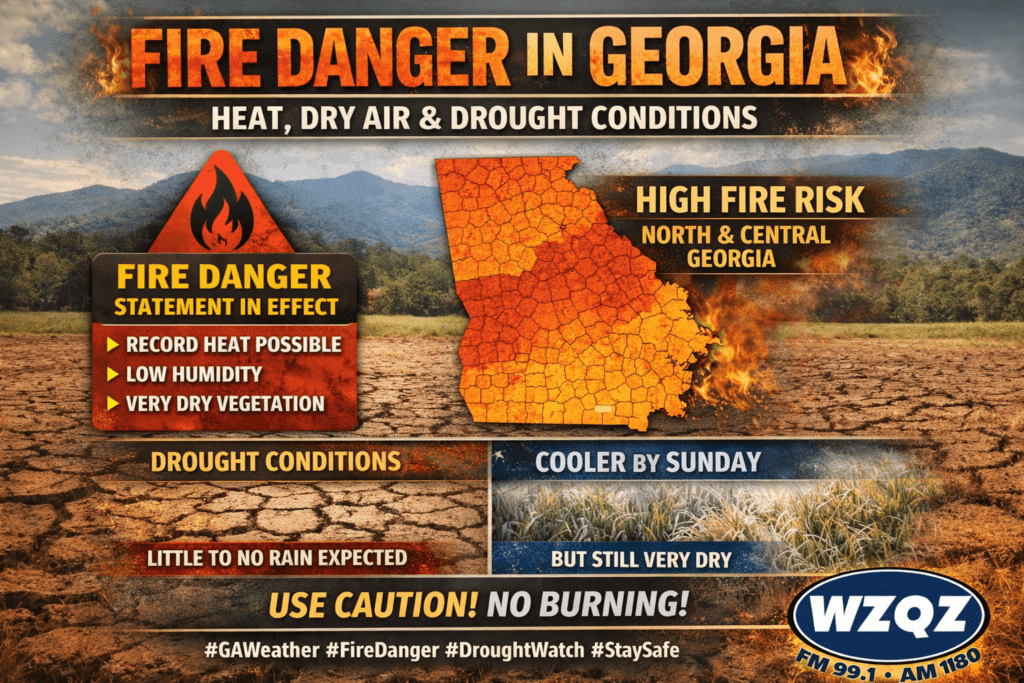
A Fire Danger Statement remains in effect across portions of north and central Georgia as dry vegetation, low humidity, and unusually warm temperatures continue to create dangerous fire weather conditions through the end of the week.
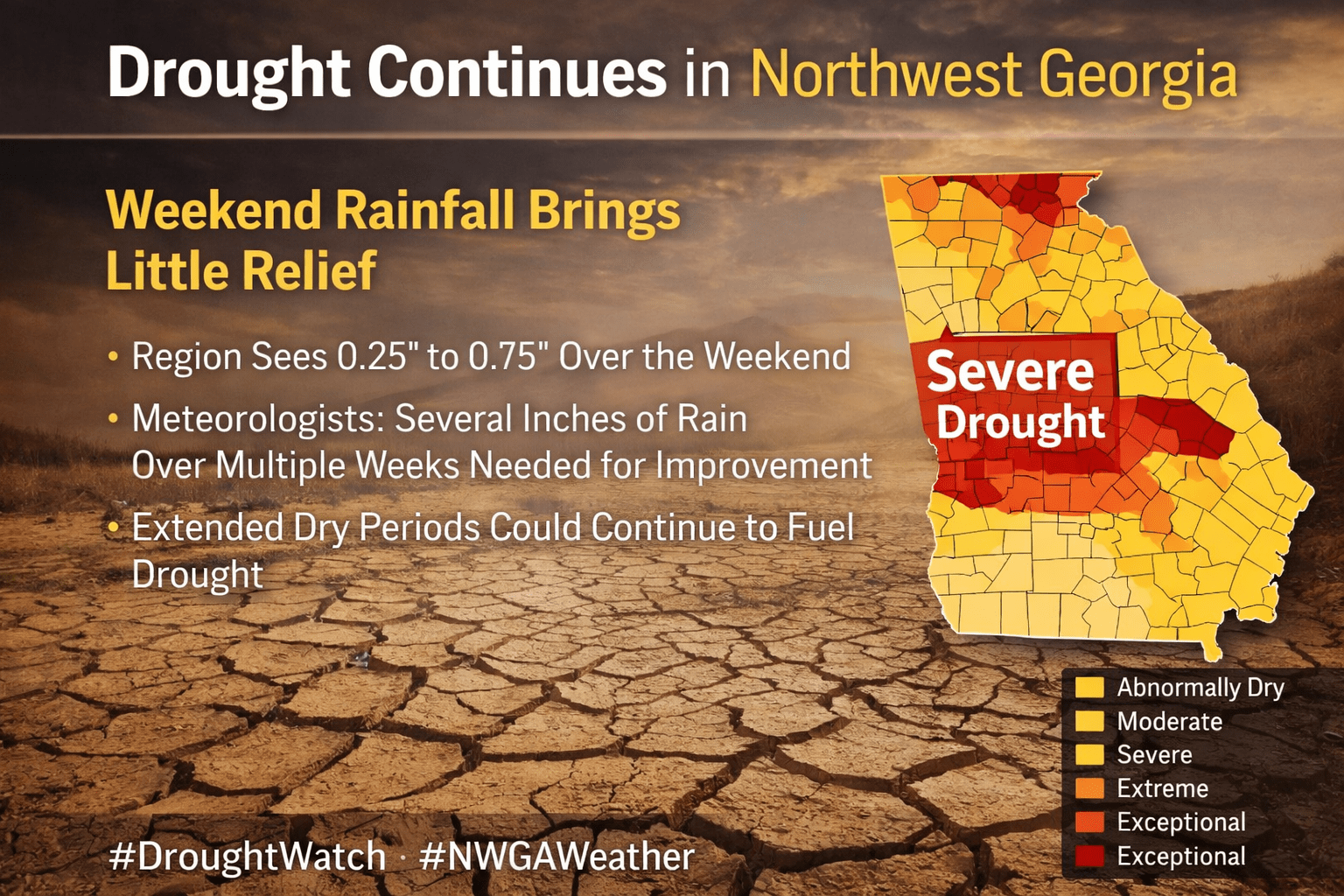
Drought conditions continue to grip Northwest Georgia, including Chattooga County, and this weekend’s round of showers and storms is expected to do little to improve the situation. While some areas picked up between a quarter and three-quarters of an inch of rain, experts say that amount is far below what’s needed to make a meaningful dent in the region’s rainfall deficit.
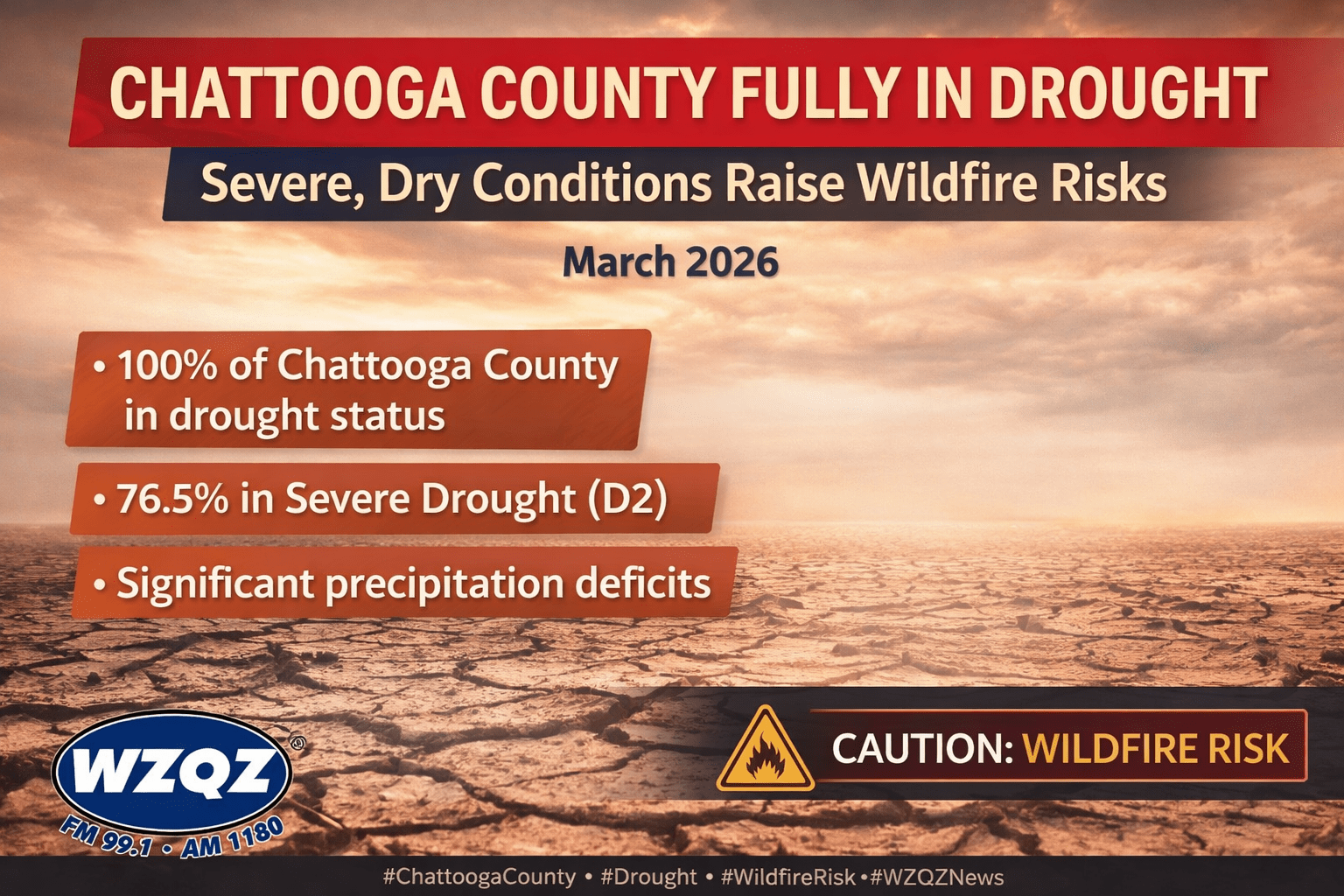
Chattooga County remains entirely under drought conditions as March comes to a close, highlighting the deepening dry pattern that continues to affect Northwest Georgia. The drought has become a growing concern for local communities, farmers, landowners, and emergency officials as rainfall deficits continue to build and the landscape becomes increasingly dry.