






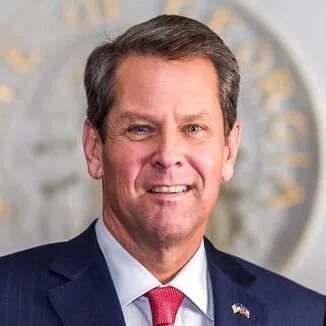
Gov. Brian Kemp delivered his final State of the State address this week at the Georgia Capitol, using the annual speech to lay out what he wants lawmakers to prioritize as he enters the home stretch of his second term. In front of a joint session of the General Assembly, Kemp struck an upbeat tone about Georgia’s economy and growth, while arguing the next set of decisions should center on affordability for families, long-term competitiveness for the state, and keeping Georgia “open for business” in a changing national landscape.
A centerpiece of Kemp’s message was tax relief, with the governor pushing for another round of measures aimed at putting more money back in taxpayers’ pockets. He also underscored the importance of maintaining Georgia’s strong fiscal footing, emphasizing that budget discipline should go hand-in-hand with targeted investments—particularly in areas that support workforce readiness and help communities keep pace with growth. Kemp’s remarks tied these goals to Georgia’s continued push to recruit employers, expand opportunities in fast-growing industries, and ensure the state’s training pipeline matches the needs of both existing businesses and new arrivals.
Kemp also returned to themes that have defined much of his tenure, including public safety and the state’s ability to respond to population growth. While the State of the State isn’t a bill-by-bill roadmap, the speech served as a clear signal of where the governor wants momentum: policies that reduce costs for residents, strengthen the workforce, and keep Georgia’s economy humming while lawmakers finalize spending priorities and begin shaping major legislation for the session.
Beyond the policy, the moment carried a distinct “final chapter” feel. Kemp reflected on progress made during his time in office and framed the coming weeks as an opportunity to lock in what he sees as Georgia’s next phase—one that balances growth with stability and positions the state to compete nationally. With his term winding down, the address also functioned as a marker for his political legacy, setting the tone for debates under the Gold Dome as leaders weigh what they want Georgia’s future to look like after his governorship ends.
Comments