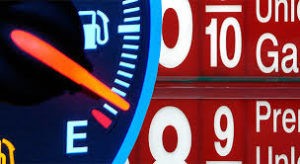











Georgia drivers will get two additional weeks of relief at the gas pump after Governor Brian Kemp signed an executive order suspending the state’s motor fuel tax.
The Internal Revenue Service has announced federal tax relief for individuals and businesses impacted by wildfires and straight-line winds in Southeast Georgia beginning April 18, 2026. Affected taxpayers in Clinch, Echols, and Brantley counties now have until August 20, 2026, to file various federal tax returns and make tax payments.
The relief applies to tax deadlines that originally fell between April 18 and August 20, 2026. This includes individual income tax returns, quarterly payroll and excise tax returns, estimated tax payments, and several business-related filings. The IRS says penalties on payroll and excise tax deposits due between April 18 and May 4 will also be waived if payments are made by May 4.
Taxpayers living or operating businesses outside the disaster area, but whose records are located in the impacted counties, may also qualify for relief by contacting the IRS Special Services hotline. The agency says additional counties could later be added to the disaster declaration area.
The IRS also reminded residents that qualified wildfire relief payments may be excluded from taxable income and that some retirement plan hardship withdrawals may qualify for special disaster-related tax treatment. Free tax preparation assistance remains available through programs such as VITA, TCE, AARP Tax-Aide, and IRS Free File.
The Internal Revenue Service has announced extended weekly office hours at more than 200 Taxpayer Assistance Centers across the country to give taxpayers more time to receive in-person help during filing season. The expanded weekday hours will remain in place through Thursday, April 30.
Taxpayers can find out whether a nearby Taxpayer Assistance Center is offering extended hours by using the TAC Locator tool on IRS.gov. The online tool provides office locations, directions, available services, and information about extended hours.
In addition to longer weekday hours, many Taxpayer Assistance Centers will also be open on select Saturdays through June 2026. During those Saturday hours, taxpayers can access all regularly available TAC services except for making cash payments. The IRS encourages taxpayers to check the website regularly because participating locations and available hours may change without notice.
A bipartisan measure moving through the Georgia General Assembly would eliminate the state’s 4% sales tax on diapers, baby formula, and menstrual products, classifying them as essential goods rather than taxable items. Supporters say the change would ease financial pressure on families, noting that while groceries and prescription drugs are already exempt in Georgia, diaper and feminine hygiene products are not.
Advocates point to long-term costs, with estimates showing the average woman spends about $18,000 on period products over her lifetime — plus roughly $1,000 in taxes. Government assistance programs like SNAP and WIC do not cover diapers, and the Georgia Diaper Bank Coalition estimates ending the diaper tax could save families about $80 per child. Diaper banks statewide distribute more than 1.4 million diapers each year to families in need.
The effort is being led this session by Republican State Sen. Randy Robertson, who says the issue is about prioritizing families despite the potential loss of millions in state revenue. The bill must pass committee before heading to the Senate floor ahead of Crossover Day, and supporters say it has bipartisan backing. If approved, Georgia would join a growing number of states that have eliminated sales taxes on menstrual and baby care products.
Senate Majority Leader Jason Anavitarte (R–Dallas) is praising the Senate Committee on Finance after it approved Senate Bill 382, sponsored by Sen. Chuck Hufstetler (R–Rome). The bill is a Senate Majority Caucus priority for the 2026 Legislative Session.
Capitol Beat News Service contributed to this story
A proposed amendment to the Georgia Constitution could eliminate sales taxes on timber, a move supporters say would help stabilize a forestry industry that has been hammered by mill closures and storm damage. House Majority Leader Chuck Efstration of Mulberry is sponsoring House Resolution 1000, saying the bipartisan effort is meant to protect what he called a cornerstone of Georgia’s rural economy.
State Rep. Eddie Lumsden (R–Armuchee) says the Georgia House returned to Atlanta on January 12 to open the 2026 legislative session, beginning the second regular session of the 158th General Assembly. Lumsden noted the week included recognition of the newly restored House Chamber and adoption of the session calendar, with the 40-day session scheduled to end April 2, known as Sine Die. He also highlighted Governor Brian Kemp’s priorities shared at the Georgia Chamber’s Eggs & Issues Breakfast, including transportation spending proposals, a one-time natural gas infrastructure fund, and a Homeless Response Grant tied to preparations for the 2026 FIFA World Cup in Atlanta. Lumsden said Kemp’s final State of the State Address focused on tax relief, cost-of-living issues, education and workforce training, school safety, and public safety priorities, including efforts to combat human trafficking and gang-related crime. The week concluded with a Celebration of Service honoring Dr. Martin Luther King Jr., and Lumsden said lawmakers returned after the holiday for “budget week,” when agencies outline funding needs to appropriations committees. You can see the complete legislative report below:
Gov. Brian Kemp delivered his final State of the State address this week at the Georgia Capitol, using the annual speech to lay out what he wants lawmakers to prioritize as he enters the home stretch of his second term. In front of a joint session of the General Assembly, Kemp struck an upbeat tone about Georgia’s economy and growth, while arguing the next set of decisions should center on affordability for families, long-term competitiveness for the state, and keeping Georgia “open for business” in a changing national landscape.