










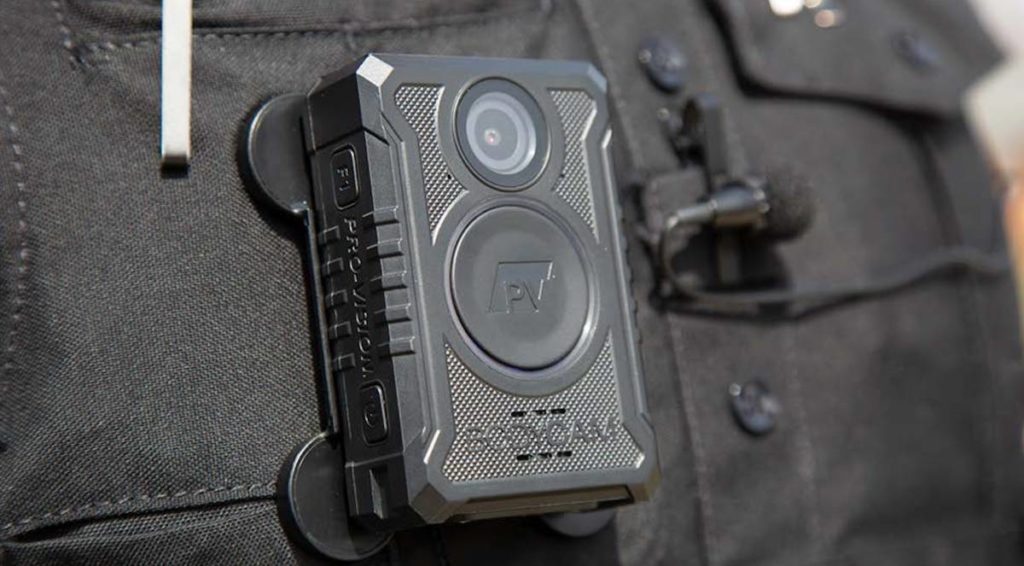
Body-worn cameras have become an important tool in modern law enforcement, providing video and audio recordings of interactions between police officers and the public. In Summerville, city officials have approved a technology upgrade designed to better protect those recordings and preserve them as potential evidence in criminal investigations.
During its September meeting, the Summerville City Council unanimously approved a contract with Pro-Vision, the company that already provides body-worn cameras for the Summerville Police Department, to move camera footage from a local computer server to a cloud-based storage system.
The decision highlights an important part of body camera technology that often receives less attention than the cameras themselves: how recordings are stored, protected and retrieved after an incident.
How Police Body Cameras Work
Body-worn cameras are small recording devices typically attached to an officer’s uniform. They can capture video and audio during traffic stops, arrests, calls for service and other interactions with the public.
The recordings can help document what officers encounter, what individuals say and do, and how incidents unfold.
Video footage can also provide investigators with additional evidence when reviewing criminal cases, complaints or disputed accounts of an encounter.
However, body cameras do not necessarily record every moment of an officer’s shift. Recording requirements depend on departmental policies, the circumstances of an encounter and the equipment being used.
The cameras also have limitations. A recording may not capture everything an officer sees or hears, and camera angles, lighting, obstructions and other factors can affect the footage.
Why Summerville Is Changing Its Storage System
According to City Manager Winters, Summerville Police Department body camera recordings have been stored on an on-premises server.
That means video files have been maintained using equipment physically located at a city facility rather than in a remotely hosted cloud storage system.
While local servers can provide reliable storage, they are vulnerable to equipment failures and disasters that could damage the hardware holding the recordings.
The new Pro-Vision system is designed to address those concerns by providing redundant backups, remote access and tamper-resistant audit trails that document activity involving stored recordings.
Redundant storage helps protect files by maintaining additional copies, reducing the risk that a single hardware failure could result in lost footage.
Remote access can allow authorized personnel to retrieve recordings without relying entirely on access to equipment at a particular physical location.
Audit trails provide a record of actions involving stored files, helping departments monitor how recordings are accessed and managed.
Georgia Law Requires Body Camera Recordings To Be Retained
Georgia law establishes minimum retention periods for video recordings made by law enforcement body-worn cameras and cameras installed in police vehicles.
Under Georgia Code Section 50-18-96, most recordings must be retained for at least 180 days, or approximately six months, from the date they were recorded.
However, certain recordings must be kept significantly longer.
Footage that is part of a criminal investigation, shows a vehicle accident, documents the detention or arrest of an individual, or records an officer’s use of force must be retained for 30 months, or two and a half years.
The same 30-month requirement applies to recordings containing evidence that is needed, or reasonably expected to be needed, in pending litigation.
If litigation begins during that retention period, the footage must be preserved until the case reaches a final resolution.
These are minimum retention requirements. State law does not require departments to automatically destroy recordings once the applicable retention period expires.
The requirements make dependable storage particularly important because some recordings may need to remain available for years after an incident occurs.
A hardware failure or loss of video evidence could create problems for criminal investigations, court proceedings and the review of police conduct.
Moving recordings to a cloud-based system with redundant backups is intended to reduce those risks.
What The Upgrade Will Cost
The Summerville City Council approved a one-year contract with Pro-Vision that will automatically renew.
The first-year cost is $10,428, including equipment and installation.
The cost for subsequent years is expected to be $6,480 annually, under the terms presented to the council.
Council Member Dana W. Mosley made the motion to approve the agreement, and Council Member Simone Adams seconded it. The motion passed unanimously.
Body Camera Recordings And Public Accountability
Body-worn camera footage can serve several purposes beyond documenting criminal activity.
Recordings may be reviewed during investigations, used in court proceedings, examined when complaints are made against officers or used by police departments for training and evaluation.
They can also provide additional information when officers and members of the public give differing accounts of an incident.
In Georgia, access to police body camera footage is governed by state law, including provisions of the Georgia Open Records Act.
Some recordings may be available through public records requests, while others may be subject to exemptions or restrictions involving active investigations, privacy and other legal considerations.
The Summerville Police Department’s decision to upgrade its storage system does not necessarily change which recordings are available to the public. Instead, the approved contract addresses how the department maintains and protects the footage it collects.
As police agencies increasingly rely on digital evidence, preserving recordings and maintaining records of how those files are handled have become important parts of law enforcement operations.
For Summerville, the approved Pro-Vision agreement represents an investment in the storage and management of footage already being collected by officers using the department’s body-worn cameras.
Sources:
- Summerville City Council — September 2026 meeting minutes, Pro-Vision cloud storage contract approval.
- Georgia Code Section 50-18-96 — Retention of video recordings from law enforcement sources.
- Georgia Archives — Local Government Records Retention Schedule, LG-19-068A, LG-19-068B and LG-19-068C.
- Pro-Vision Video Systems — Cloud-based video storage and evidence management documentation.
- Reporters Committee for Freedom of the Press — Georgia Open Government Guide, police body camera footage and public records access.
Comments