










Residents across northwest Georgia may begin noticing low-flying aircraft this month as the U.S. Department of Agriculture moves ahead with its annual oral rabies vaccination campaign, including bait distribution in Chattooga County.

Residents across northwest Georgia may begin noticing low-flying aircraft this month as the U.S. Department of Agriculture moves ahead with its annual oral rabies vaccination campaign, including bait distribution in Chattooga County.
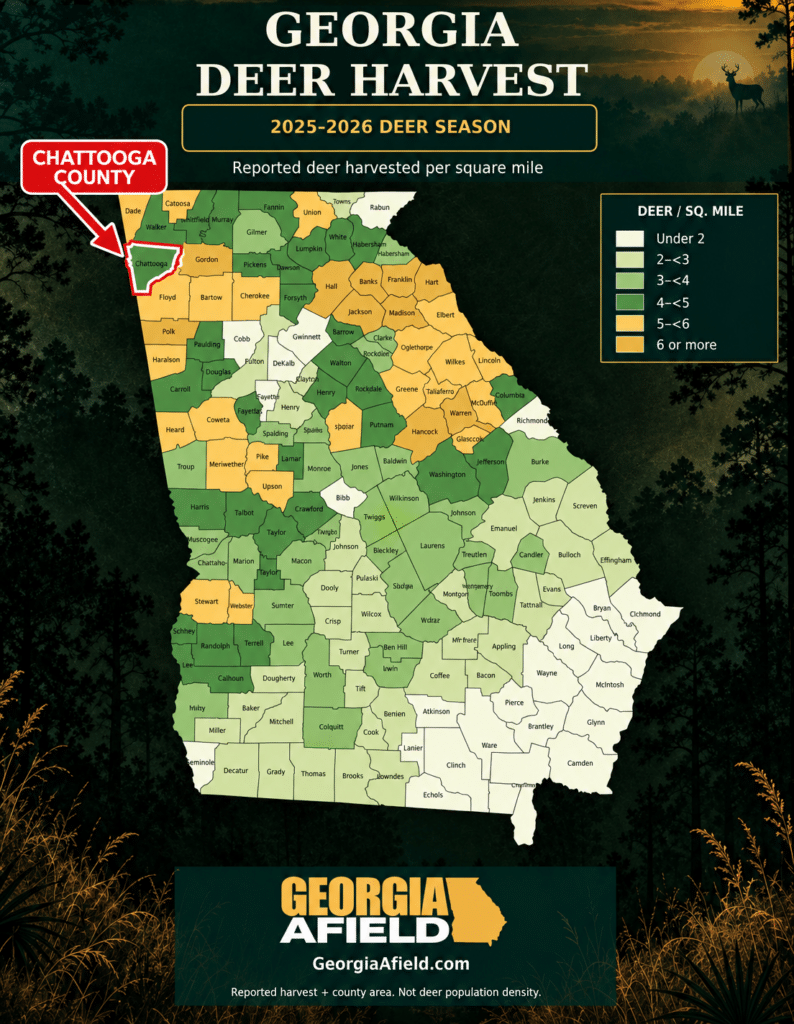
Chattooga County was among the stronger deer harvest areas in Northwest Georgia during the 2025–2026 hunting season, according to a new statewide map showing the number of deer reported harvested per square mile.
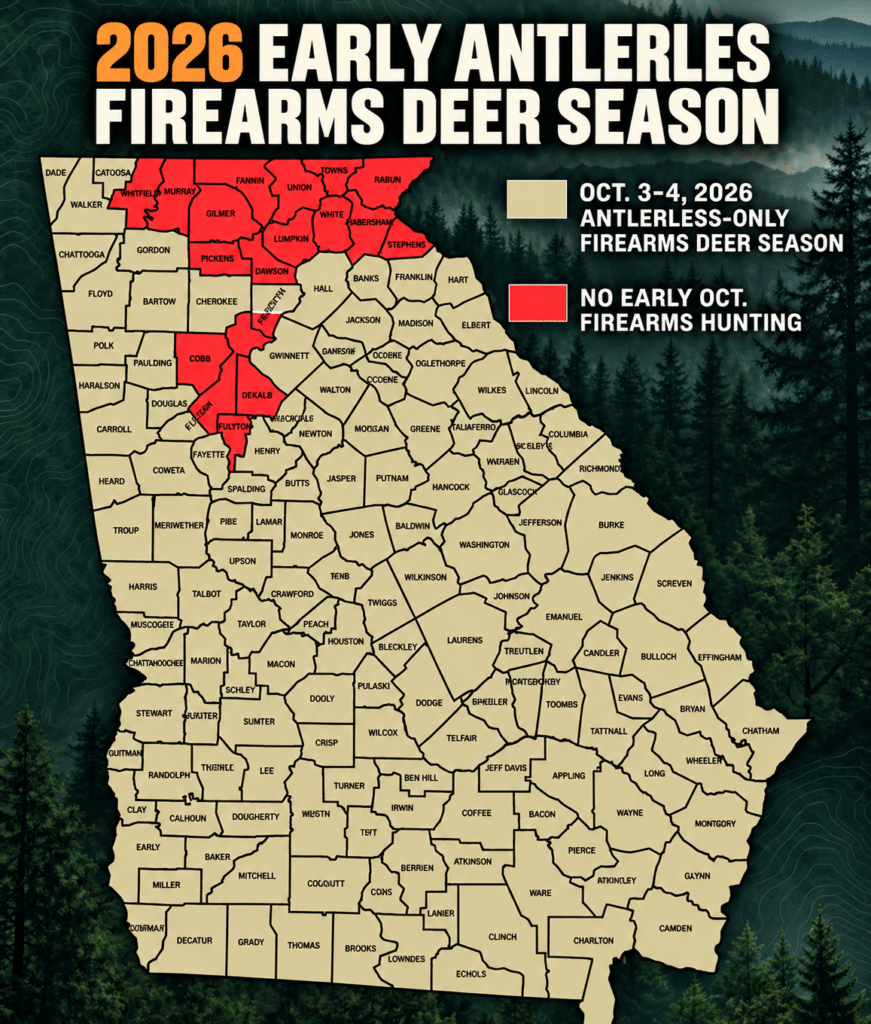
Deer hunters in Chattooga County will have an additional opportunity to take an antlerless deer this weekend during Georgia’s early antlerless-only firearms deer season.
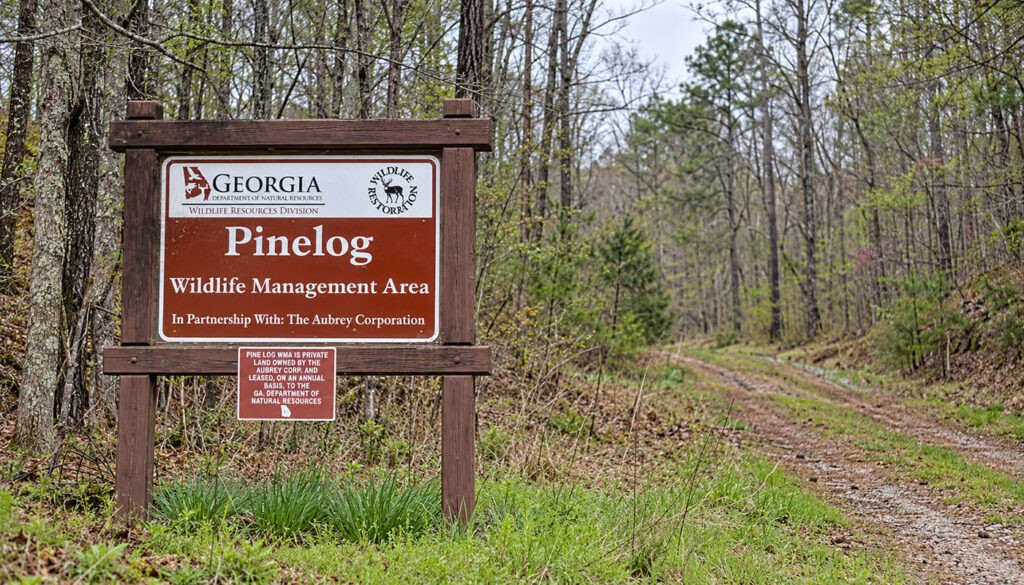
A popular Northwest Georgia wildlife management area that has been closed to the public for more than three years is set to return to public ownership and eventually reopen for hunting and other outdoor recreation.
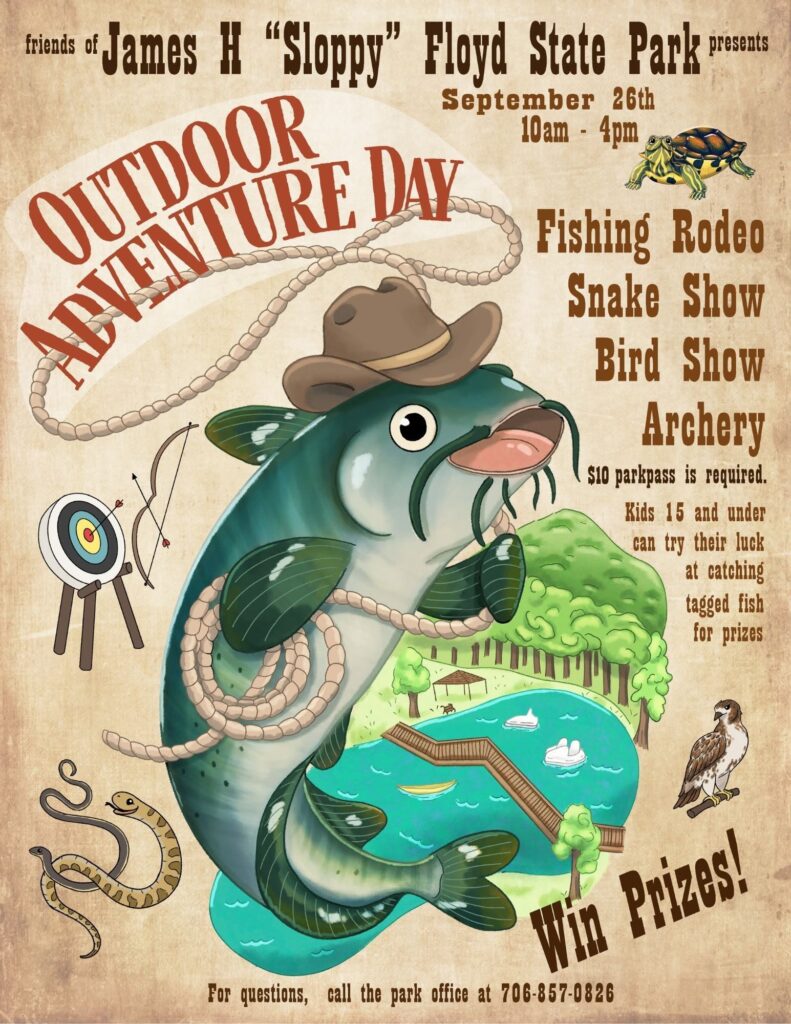
Today is National Hunting and Fishing Day, and Georgia residents will be able to fish without a license as part of the celebration — including those taking part in a special day of activities at James H Floyd State Park near Summerville.

Elementary school teachers in Chattooga County and across Georgia have an opportunity to receive $1,000 to help bring conservation and outdoor learning into their classrooms.
With Georgia’s archery deer season underway, the Georgia Department of Natural Resources is reminding hunters about new statewide requirements for disposing of deer carcasses and unused deer parts.

As cooler weather approaches and more people head outdoors, the Georgia Department of Natural Resources is reminding Northwest Georgia residents that fall is also an especially active feeding period for black bears.
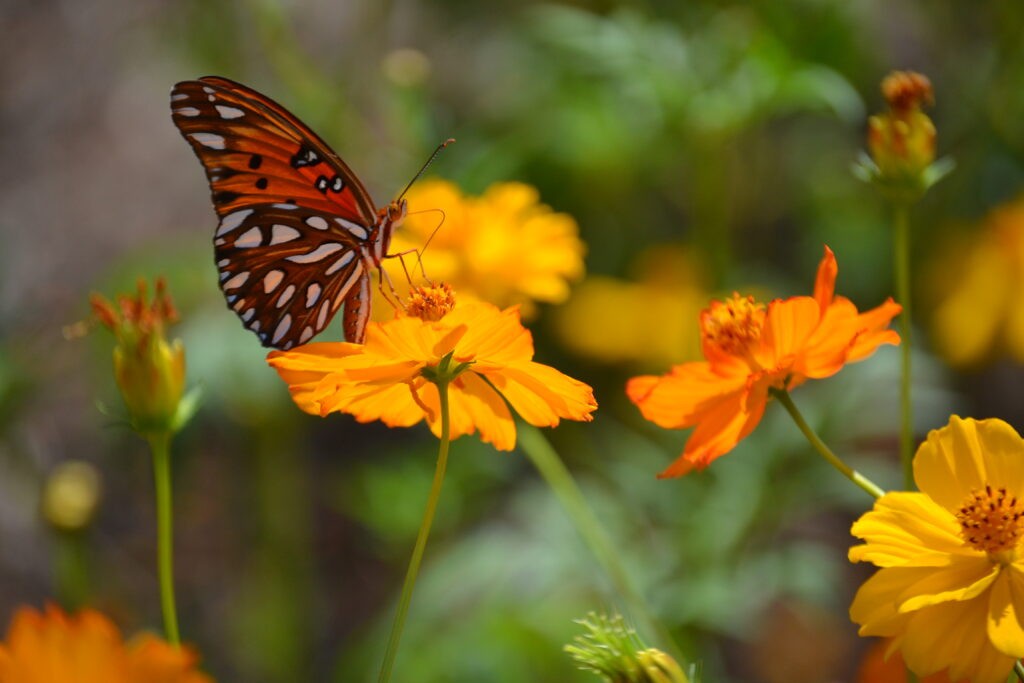
Those patches of taller grass and wildflowers motorists sometimes see along Georgia highways may be serving a purpose beyond simply beautifying the roadside.

Young artists across Georgia are being invited to combine art, writing and an interest in the outdoors as entries are now being accepted for the 2027 Fish Art Contest.
The free competition is open to students from kindergarten through 12th grade, ages 5 to 18, according to the Georgia Department of Natural Resources Wildlife Resources Division. The international program is designed to encourage young people to learn more about fish, fishing and aquatic conservation.
For Georgia entries, students select a fish species, research the fish and its habitat, and create an original, hand-drawn illustration showing a wild fish in its natural habitat. Digital artwork and artwork created using artificial intelligence are not allowed. Students in fourth grade and above must also submit a short creative writing piece demonstrating what they learned about their chosen species.
Students competing for the Go Fish Georgia Award should select a fish native to Georgia or an introduced species commonly pursued by Georgia anglers.
Winners will be chosen in five age divisions, ranging from kindergarten through 12th grade. Top Georgia entries will be displayed at the Go Fish Education Center in Perry.
The deadline to enter is February 28, 2027. Entries can be submitted digitally, and Georgia DNR also provides an option for mailing artwork to the Go Fish Education Center. Entry forms, contest rules and additional information are available through FishArt.org.