











Chattooga County farmers, cattle producers and landowners have two important USDA deadlines approaching, including a September 30 deadline for disaster assistance and an October 9 deadline for several conservation programs.

Chattooga County Sole Commissioner Andy Allen has appointed two local residents to boards that play roles in property taxation, conservation, agriculture and community development.
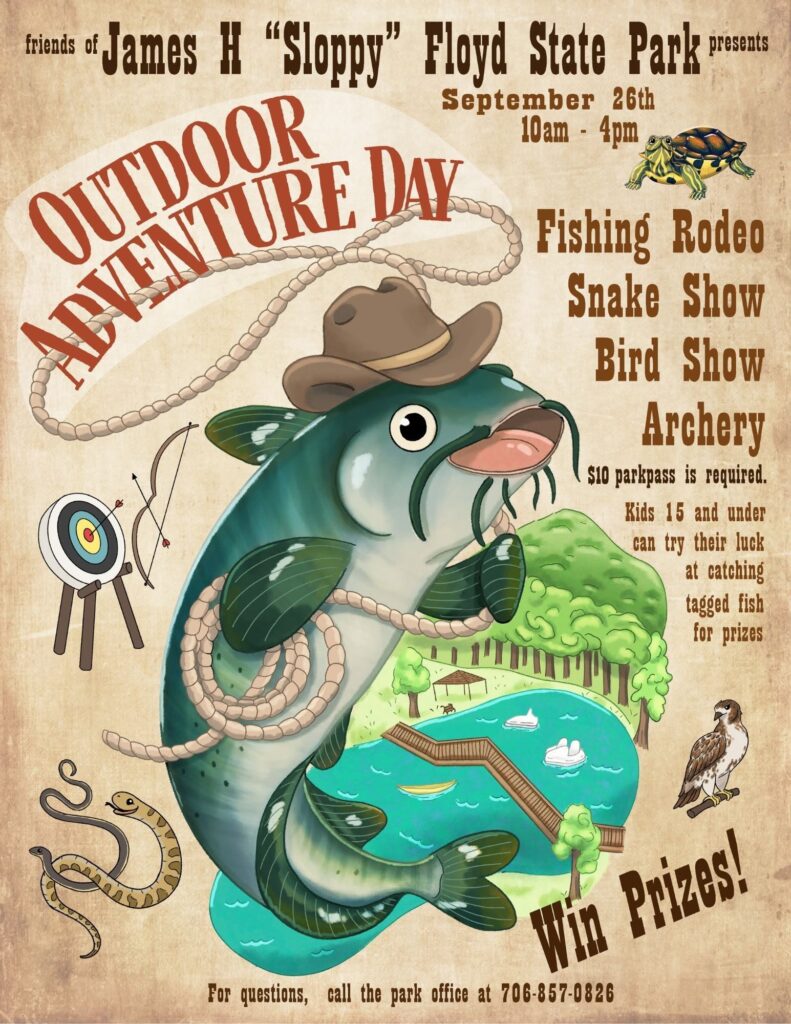
Today is National Hunting and Fishing Day, and Georgia residents will be able to fish without a license as part of the celebration — including those taking part in a special day of activities at James H Floyd State Park near Summerville.
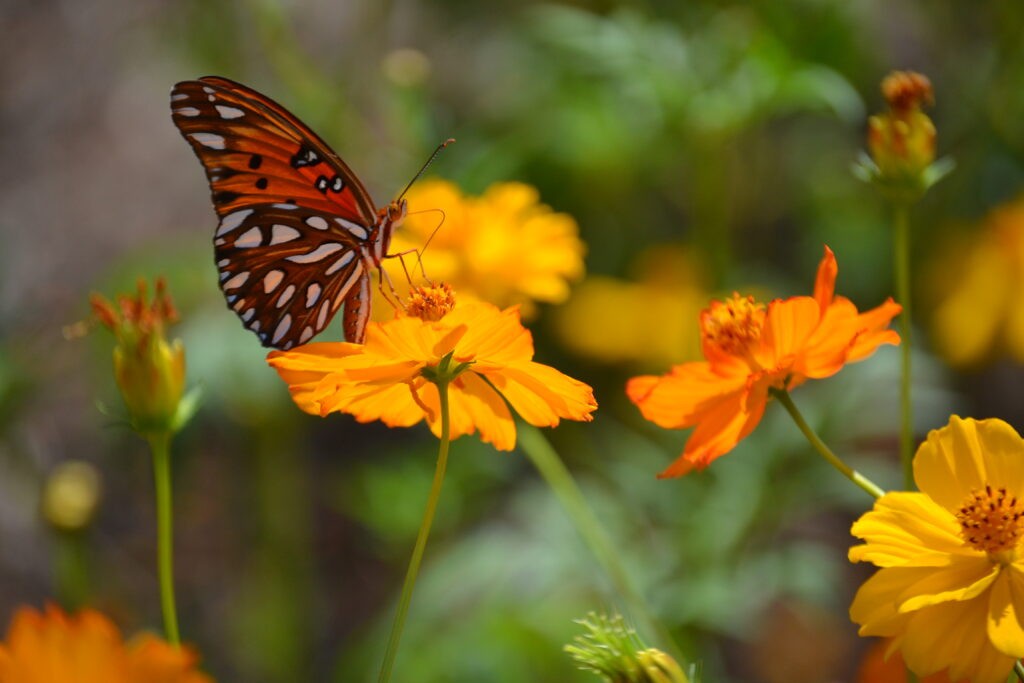
Those patches of taller grass and wildflowers motorists sometimes see along Georgia highways may be serving a purpose beyond simply beautifying the roadside.
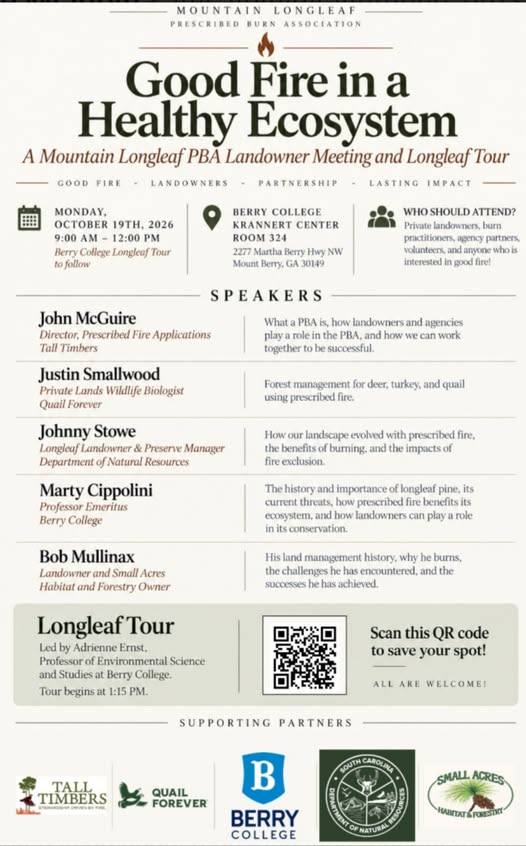
Private landowners and others interested in forestry, wildlife habitat and prescribed burning are invited to a free land-management meeting at Berry College on Monday, October 19.

Young artists across Georgia are being invited to combine art, writing and an interest in the outdoors as entries are now being accepted for the 2027 Fish Art Contest.
The free competition is open to students from kindergarten through 12th grade, ages 5 to 18, according to the Georgia Department of Natural Resources Wildlife Resources Division. The international program is designed to encourage young people to learn more about fish, fishing and aquatic conservation.
For Georgia entries, students select a fish species, research the fish and its habitat, and create an original, hand-drawn illustration showing a wild fish in its natural habitat. Digital artwork and artwork created using artificial intelligence are not allowed. Students in fourth grade and above must also submit a short creative writing piece demonstrating what they learned about their chosen species.
Students competing for the Go Fish Georgia Award should select a fish native to Georgia or an introduced species commonly pursued by Georgia anglers.
Winners will be chosen in five age divisions, ranging from kindergarten through 12th grade. Top Georgia entries will be displayed at the Go Fish Education Center in Perry.
The deadline to enter is February 28, 2027. Entries can be submitted digitally, and Georgia DNR also provides an option for mailing artwork to the Go Fish Education Center. Entry forms, contest rules and additional information are available through FishArt.org.

Georgia is considering the first major update to its list of protected plants and animals in two decades, a move that could add 145 species whose populations are declining or facing significant threats.
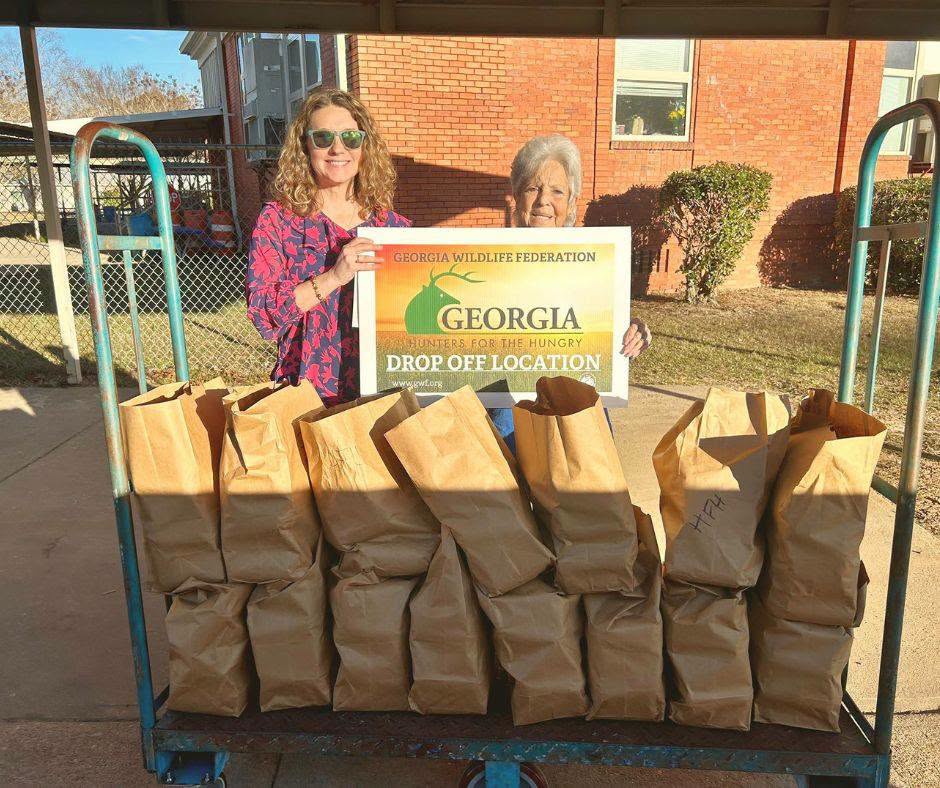
A Georgia program is turning successful deer harvests into meals for families in need across the state.
The Georgia Wildlife Federation’s Hunters for the Hungry program allows hunters to donate harvested venison, which is then processed and distributed to food banks and other hunger-fighting organizations throughout Georgia.
The program also supports wildlife management efforts. Many landowners already work to control deer populations in order to protect crops, timber and other resources, and Hunters for the Hungry provides a way for that harvested game to benefit local communities.
According to the Georgia Department of Agriculture, the program received more than 140,000 pounds of donated venison last year, providing more than 579,000 meals to Georgians in need.
Supporters say the program combines conservation, responsible wildlife management and food assistance while making use of a valuable source of protein.
Hunters and others interested in supporting the effort can learn more through the Georgia Wildlife Federation’s Hunters for the Hungry program at gwf.org/ghfth.
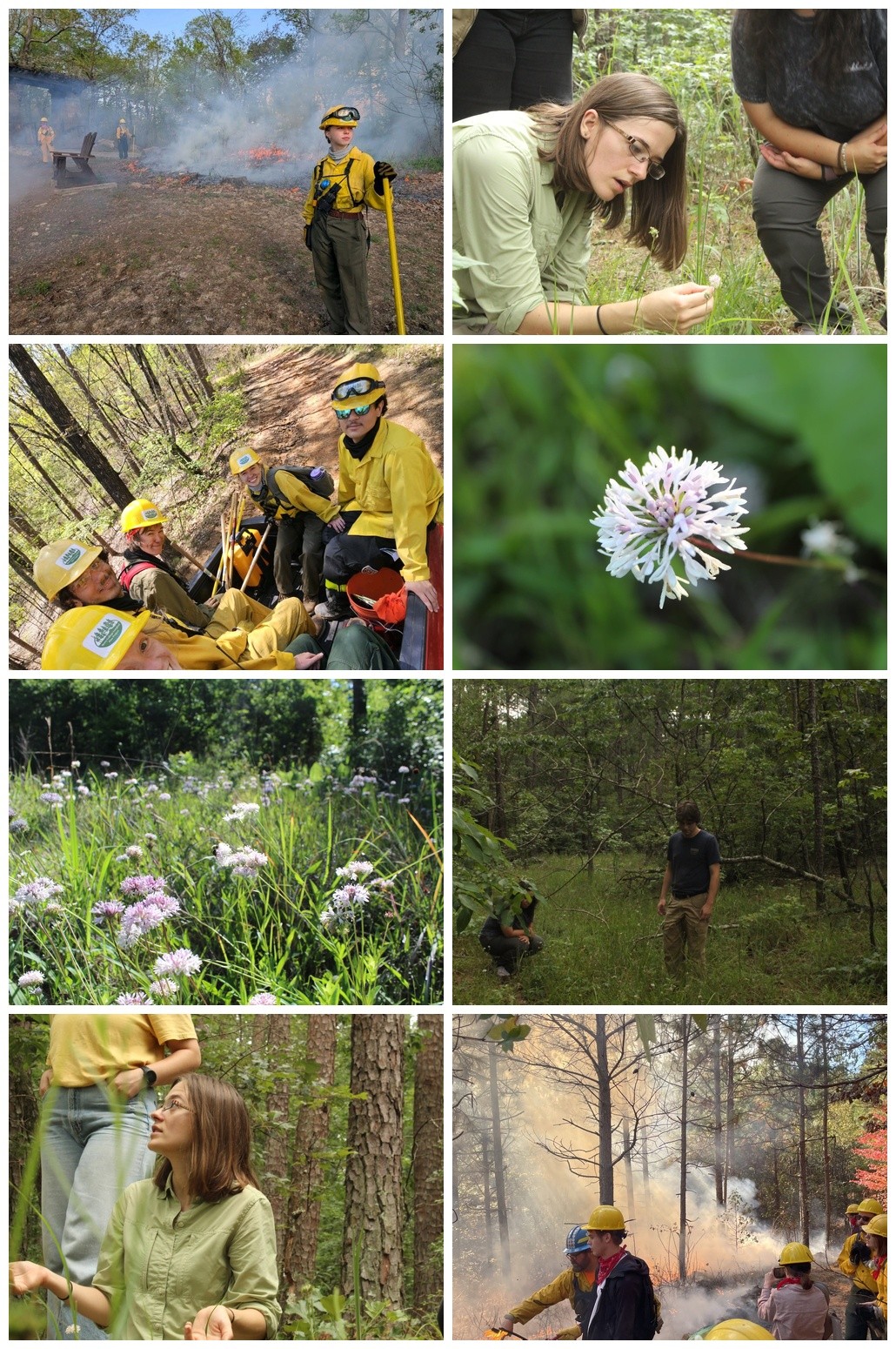
Berry College and the Georgia Department of Natural Resources have been awarded nearly $750,000 to restore thousands of acres of longleaf pine habitat in Northwest Georgia.
The project is supported by a $387,100 grant from the National Fish and Wildlife Foundation, with matching funds bringing the total investment to nearly $750,000.
The grant was secured by Dr. Adrienne Ernst, director of the Berry College Longleaf Pine Project, along with collaborators Carlee Steppe and Allison Melcher of the Georgia Department of Natural Resources’ Wildlife Resources Division.
The funding will be used to restore calcareous flatwoods and montane longleaf pine habitats at Berry College and nearby Georgia DNR Wildlife Management Areas. The project also aims to help recover Mohr’s Barbara’s button, a federally threatened plant species found in the flatwoods.
Officials say more than 3,000 acres will be restored and managed through prescribed burning, invasive species control, and targeted habitat improvements. The team will also develop a 50-year management plan to guide long-term conservation efforts across the landscape.

Georgia’s bald eagle population continues to thrive, according to the Georgia Department of Natural Resources’ annual nesting survey, which found nesting success well above long-term averages despite surveying fewer areas than usual this year.