










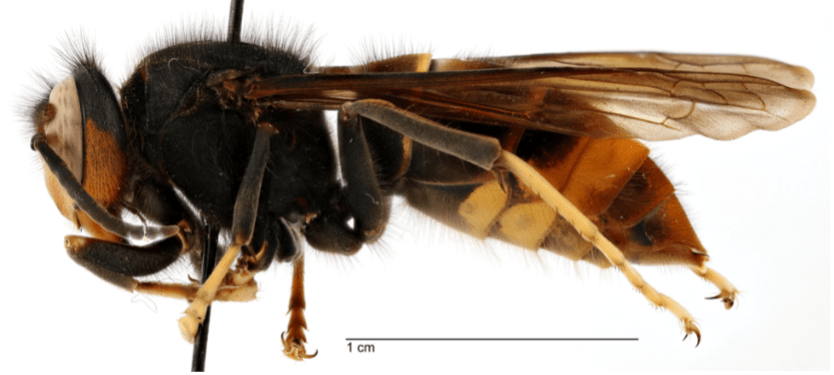
Georgia officials are continuing to warn residents about the growing threat posed by the invasive yellow-legged hornet, a species that can create serious problems for honeybees, agriculture, and the environment.
The hornet, which was first confirmed in Georgia in recent years, has drawn concern because of its tendency to prey on honeybees. That is especially troubling in a state where bees play a major role in pollination and crop production. Experts say the biggest concern is not widespread attacks on people, but the damage these hornets can do to bee colonies and the agricultural systems that depend on them.
State agriculture officials are asking Georgians to stay alert this spring and watch for signs of hornet activity, especially small early-stage nests sometimes called embryo nests. These nests can often be found attached to trees, shrubs, homes, sheds, or other structures. Spotting them early can make a major difference in stopping the insects from spreading further.
Officials stress that anyone who believes they have found a yellow-legged hornet or one of its nests should not try to remove it on their own. Disturbing a nest could be dangerous and may also make it harder for professionals to properly identify and eliminate the threat. Instead, residents are encouraged to keep a safe distance, take a photo if they can do so safely, and report the sighting to the proper authorities.
The concern surrounding the hornets centers largely on prevention. If the invasive species becomes more established across Georgia, it could create added pressure on already struggling bee populations. That would have ripple effects beyond beekeepers, potentially impacting gardens, farms, and food production across the state.
Officials say public awareness and early reporting remain some of the best tools for slowing the spread. As warmer weather continues and more nests begin to appear, Georgians are being urged to stay cautious and informed.
Comments