









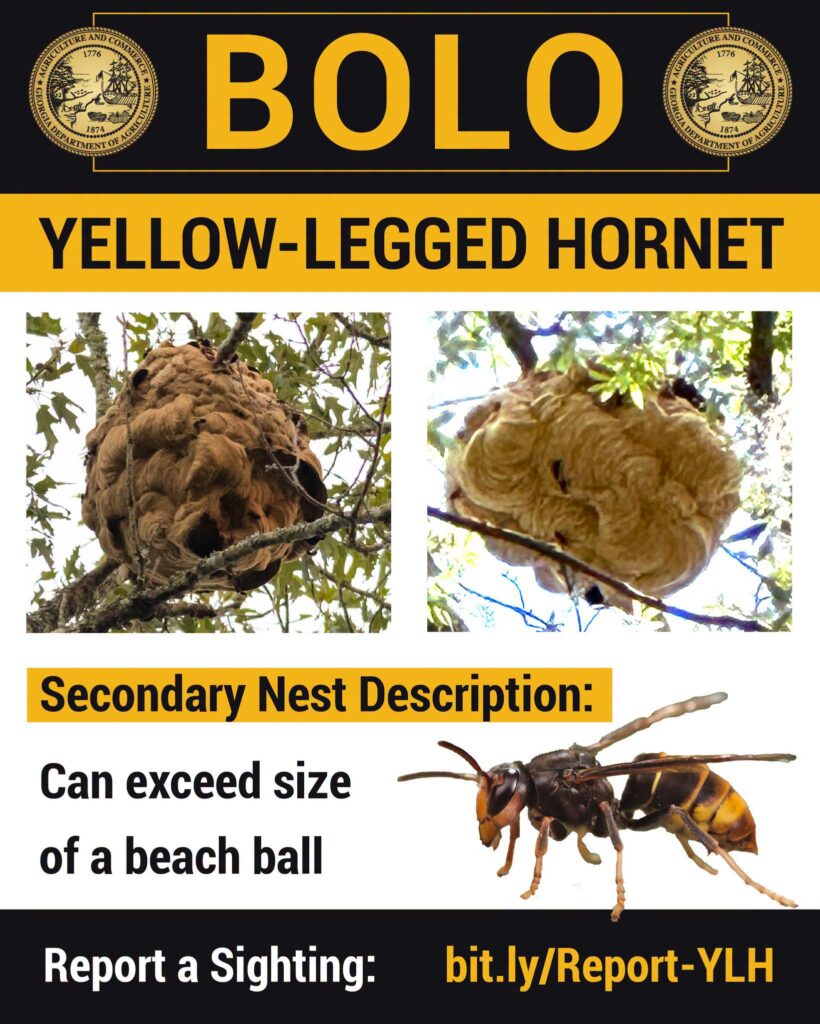
Georgia agriculture officials are continuing an aggressive effort to track and eradicate the invasive yellow-legged hornet, with more than 1,000 of the insects found during August alone.

Georgia agriculture officials are continuing an aggressive effort to track and eradicate the invasive yellow-legged hornet, with more than 1,000 of the insects found during August alone.
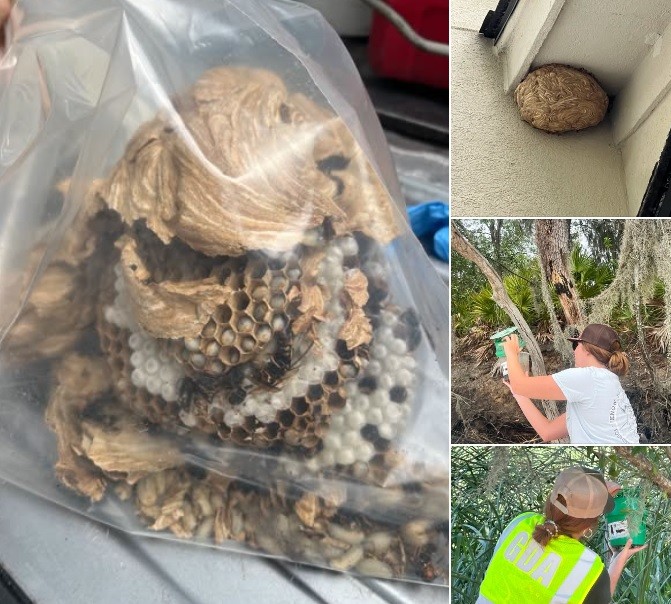
The Georgia Department of Agriculture says its Plant Protection team continued efforts in June to track and eradicate the Yellow-Legged Hornet, an invasive species that poses a threat to honeybees and Georgia’s agriculture industry.
According to the department, crews found 125 hornets and eradicated three nests during the month of June.
Agriculture officials say hornet activity increases as temperatures rise. Beekeepers and residents are encouraged to watch for nests and for “hawking” behavior around beehives, where hornets hover near hives and prey on bees.
Anyone who believes they have found a Yellow-Legged Hornet nest in Georgia should contact the Georgia Department of Agriculture at yellow.legged.hornet@agr.georgia.gov.
Georgia Agriculture Commissioner Tyler Harper said this week that the Georgia Department of Agriculture is continuing its efforts to track, trap and eradicate the invasive yellow-legged hornet, and he is encouraging residents to help by watching for signs of the destructive insect.
Harper is asking Georgians to be on the lookout for possible secondary nests and to report any suspected sightings to the state.
Residents should watch for hornet activity around beehives, especially during the morning hours before noon and again after 5 PM.
Possible secondary nests may appear as large, round or oval-shaped structures located high in trees or other elevated areas. Officials say the nests are typically gray or brown and made of layered, paper-like material. Depending on temperatures, they may be visible from late summer through winter.
Anyone who believes they have spotted a yellow-legged hornet nest should report the sighting to the Georgia Department of Agriculture by email at yellow.legged.hornet@agr.georgia.gov.
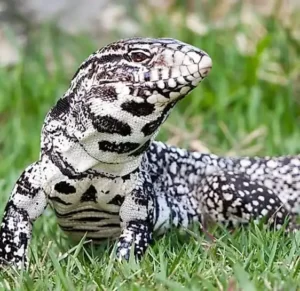
Georgia wildlife officials are asking residents to be on the lookout for a large invasive lizard that poses a threat to native wildlife.
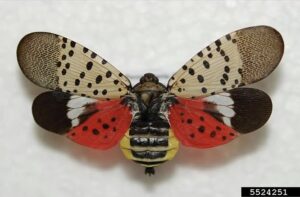
Chattooga County Extension is asking residents to be on the lookout for the spotted lanternfly, an invasive insect that can cause serious damage to trees, crops, and ornamental plants.
Georgia wildlife officials are warning residents about an invasive lizard species that is spreading across parts of the state and threatening native wildlife.
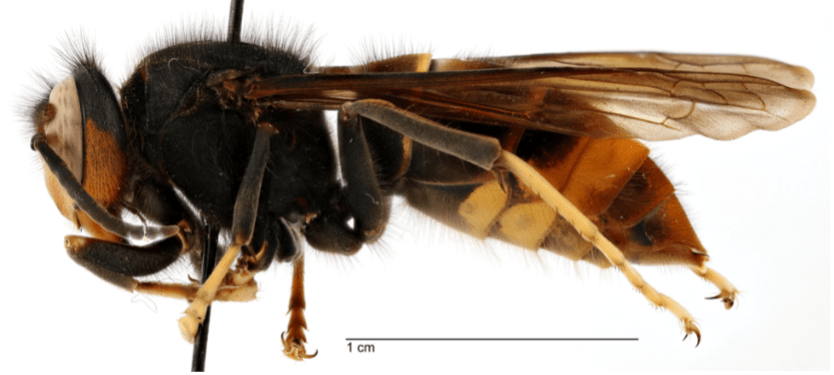
Georgia officials are continuing to warn residents about the growing threat posed by the invasive yellow-legged hornet, a species that can create serious problems for honeybees, agriculture, and the environment.

The Georgia House has approved legislation aimed at expanding how landowners and wildlife control operators can trap and hunt feral hogs—an invasive species blamed for widespread damage to crops, pastures, wildlife habitat, and property across the state. Supporters say the measure is designed to remove red tape and help reduce hog populations that reproduce quickly and are difficult to control.