









The City of LaFayette says it has identified the source of elevated E. coli levels that have kept the swimming area at Queen City Lake closed in recent weeks.

The City of LaFayette says it has identified the source of elevated E. coli levels that have kept the swimming area at Queen City Lake closed in recent weeks.

Consumer advocate Erin Brockovich is expanding efforts to investigate PFAS contamination in Northwest Georgia, with Chattooga County among six counties included in a new campaign offering water, soil, and dust testing for residents. The announcement comes as concerns continue to grow over the presence of PFAS—commonly known as “forever chemicals”—throughout the region.

As WZQZ News reported last week, a federal judge has cleared the way for thousands of current and former Summerville water customers to continue pursuing claims against several major chemical companies over costs connected to PFAS contamination in the city’s drinking water.

A federal judge has ruled that residents in and around Summerville may continue pursuing claims seeking reimbursement for costs associated with cleaning up drinking water contaminated by PFAS, commonly known as “forever chemicals.”

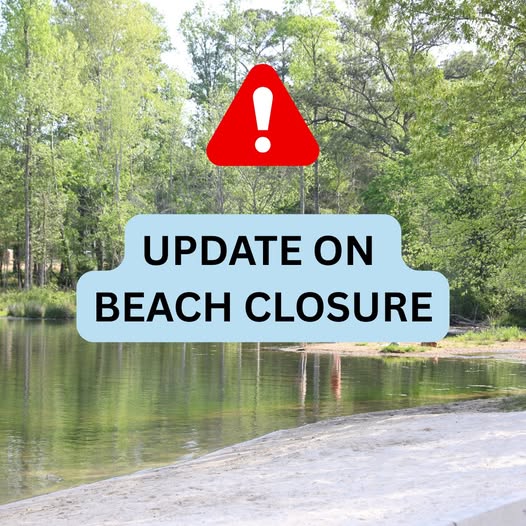
Queen City Lake Beach in LaFayette will remain closed into next week as city officials continue investigating elevated E. coli levels in the water.
The City of LaFayette says daily testing has been conducted in an effort to determine the source of the contamination. While E. coli levels remain elevated, officials say the testing patterns have been inconclusive. The city is expanding the testing area to collect additional data and develop a clearer picture of the problem.
City officials are also working with the Georgia Department of Natural Resources for guidance concerning the non-native duck population around the lake, which may be contributing to the elevated bacteria levels.
Residents have also reported a sewer leak located some distance from the shoreline. The line is privately owned, and the city says the organization responsible for it has begun making repairs. That work is expected to be completed in the coming weeks.
Officials say they do not want to draw conclusions before the testing is complete and will continue collecting data while the beach remains closed.

Residents planning to swim, paddle, or play on area waterways this weekend are encouraged to check water quality before heading out.
The Coosa River Basin Initiative is once again offering its 2026 Swim Guide, which tracks bacteria levels at 29 monitoring sites across the Coosa River Basin through Labor Day weekend. That includes monitoring of the Chattooga River.
Courtnee Davenport, Outreach Programs Manager for CRBI, says water samples are tested for harmful E. coli. Results are posted each Friday at coosa.org. Sites marked green indicate low E. coli levels and are considered suitable for recreation, while red sites show high levels and mean visitors should use extra caution or avoid the area.
Davenport says bacteria levels often rise after heavy rainfall, and swimmers should wait 24 to 48 hours after a rain event before getting into area rivers and lakes.
The Coosa River Basin Initiative works to protect, preserve, and restore the upper Coosa River basin.

Anyone planning a trip to the Georgia coast this summer may want to check beach conditions before heading into the water.
State officials have identified 15 miles of beachfront on Tybee Island, St. Simons Island, and Jekyll Island where elevated levels of enterococci, a type of fecal bacteria, have exceeded recreational water quality standards. The affected beach segments have been classified as “not supporting” recreational use under the Clean Water Act.
According to the Georgia Department of Natural Resources, enterococci bacteria can originate from wastewater, failing septic systems, stormwater runoff, wildlife, and pet waste. While the bacteria itself is used as an indicator, elevated levels may signal the presence of other disease-causing organisms that can increase the risk of illness for swimmers.
State officials are working to develop cleanup plans for the affected waters, and public comments on those plans are being accepted through July 16. Before visiting Georgia’s beaches, officials recommend checking the latest advisories through the Georgia Healthy Beaches program

The Coosa River Basin Initiative’s Swim Guide will return for the summer season beginning Memorial Day weekend.

The public is invited to a free documentary screening Monday at the DeSoto Theatre in downtown Rome, focusing on PFAS contamination in the South and its impact on Northwest Georgia.

As warmer weather settles into Northwest Georgia, the Coosa River Basin Initiative is gearing up for another season of water safety monitoring ahead of the busy summer months.