










The Georgia Department of Public Health has confirmed another measles case, bringing the state’s total to 22 cases so far in 2026, more than double the 10 cases reported during all of 2025.
The Georgia Department of Public Health has confirmed another measles case, bringing the state’s total to 22 cases so far in 2026, more than double the 10 cases reported during all of 2025.
The number of confirmed human cases of West Nile virus in Georgia has more than doubled over the past month, prompting state health officials to remind residents that mosquito season is not over.
The Georgia Department of Public Health is warning residents to continue protecting themselves against mosquito bites as West Nile virus infections increase across the state.
The Georgia Department of Public Health says two additional measles cases have been confirmed in connection with an outbreak at a metro Atlanta daycare, bringing the outbreak total to 10 cases.
The Georgia Department of Public Health has confirmed three additional measles cases connected to the current metro Atlanta outbreak, bringing the number of cases associated with that outbreak to eight.
The Georgia Department of Public Health is urging residents to take additional precautions when handling fresh fruits and vegetables following updated guidance from the Centers for Disease Control and Prevention.
The Georgia Department of Public Health is urging residents to take extra precautions when purchasing, preparing and eating fresh fruits and vegetables to help prevent cyclosporiasis, a gastrointestinal illness caused by the microscopic parasite Cyclospora.
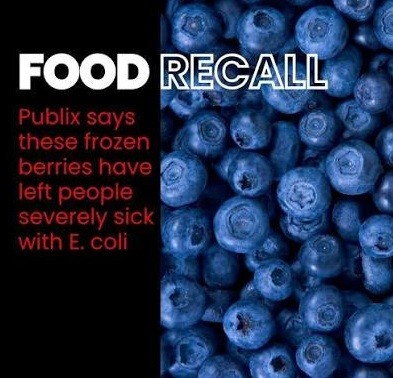
Publix customers in Georgia are being urged to check their freezers after the grocery chain recalled a specific lot of frozen blueberries linked to 12 confirmed cases of E. coli illness.
Health officials are investigating a multi-state outbreak of a foodborne parasite that has sickened at least 145 people across the United States, including cases in Georgia.
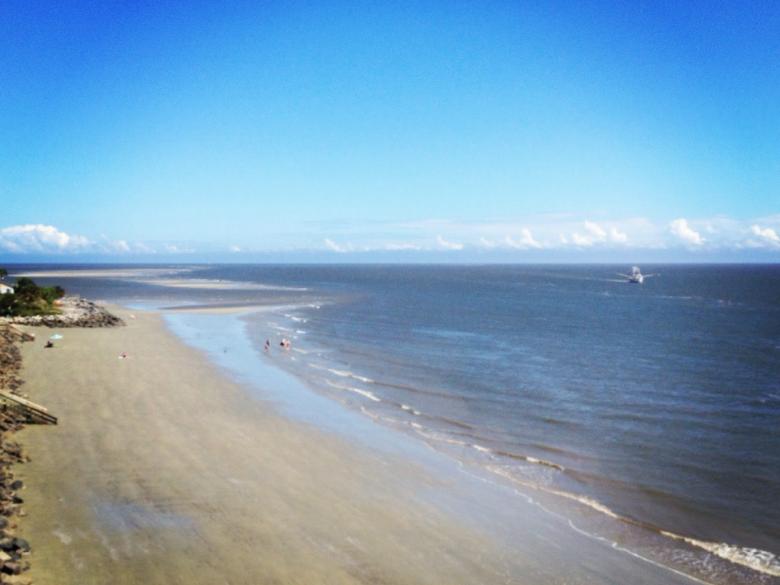
Anyone planning a trip to the Georgia coast this summer may want to check beach conditions before heading into the water.
State officials have identified 15 miles of beachfront on Tybee Island, St. Simons Island, and Jekyll Island where elevated levels of enterococci, a type of fecal bacteria, have exceeded recreational water quality standards. The affected beach segments have been classified as “not supporting” recreational use under the Clean Water Act.
According to the Georgia Department of Natural Resources, enterococci bacteria can originate from wastewater, failing septic systems, stormwater runoff, wildlife, and pet waste. While the bacteria itself is used as an indicator, elevated levels may signal the presence of other disease-causing organisms that can increase the risk of illness for swimmers.
State officials are working to develop cleanup plans for the affected waters, and public comments on those plans are being accepted through July 16. Before visiting Georgia’s beaches, officials recommend checking the latest advisories through the Georgia Healthy Beaches program