










With summer temperatures continuing across Northwest Georgia, the Coosa River Basin Initiative is reminding residents to check water conditions before swimming, paddling or enjoying area rivers and lakes.

With summer temperatures continuing across Northwest Georgia, the Coosa River Basin Initiative is reminding residents to check water conditions before swimming, paddling or enjoying area rivers and lakes.

The City of LaFayette says it has identified the source of elevated E. coli levels that have kept the swimming area at Queen City Lake closed in recent weeks.
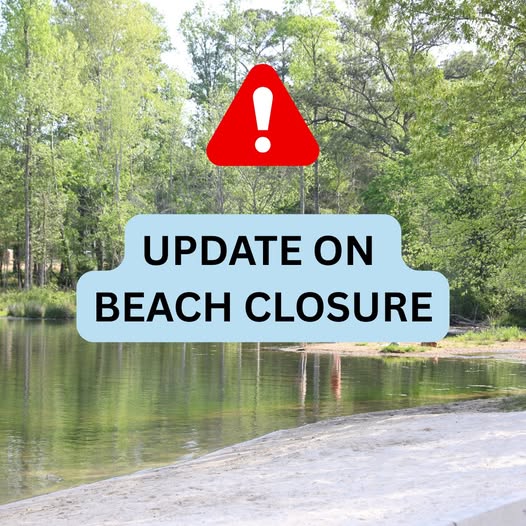
Queen City Lake Beach in LaFayette will remain closed into next week as city officials continue investigating elevated E. coli levels in the water.
The City of LaFayette says daily testing has been conducted in an effort to determine the source of the contamination. While E. coli levels remain elevated, officials say the testing patterns have been inconclusive. The city is expanding the testing area to collect additional data and develop a clearer picture of the problem.
City officials are also working with the Georgia Department of Natural Resources for guidance concerning the non-native duck population around the lake, which may be contributing to the elevated bacteria levels.
Residents have also reported a sewer leak located some distance from the shoreline. The line is privately owned, and the city says the organization responsible for it has begun making repairs. That work is expected to be completed in the coming weeks.
Officials say they do not want to draw conclusions before the testing is complete and will continue collecting data while the beach remains closed.
Residents planning to swim, paddle, or play on area waterways this weekend are encouraged to check water quality before heading out.
The Coosa River Basin Initiative is once again offering its 2026 Swim Guide, which tracks bacteria levels at 29 monitoring sites across the Coosa River Basin through Labor Day weekend. That includes monitoring of the Chattooga River.
Courtnee Davenport, Outreach Programs Manager for CRBI, says water samples are tested for harmful E. coli. Results are posted each Friday at coosa.org. Sites marked green indicate low E. coli levels and are considered suitable for recreation, while red sites show high levels and mean visitors should use extra caution or avoid the area.
Davenport says bacteria levels often rise after heavy rainfall, and swimmers should wait 24 to 48 hours after a rain event before getting into area rivers and lakes.
The Coosa River Basin Initiative works to protect, preserve, and restore the upper Coosa River basin.

Publix customers in Georgia are being urged to check their freezers after the grocery chain recalled a specific lot of frozen blueberries linked to 12 confirmed cases of E. coli illness.