










A new agreement between Georgia Power and Google could eventually provide an estimated $900 million in benefits to Georgia Power customers while increasing the amount of electricity generated by two of the state’s nuclear power plants.
A new agreement between Georgia Power and Google could eventually provide an estimated $900 million in benefits to Georgia Power customers while increasing the amount of electricity generated by two of the state’s nuclear power plants.

A new report is drawing attention to the number of Georgia Power customers losing electric service for nonpayment as families deal with high summer electricity bills.
Georgia Power says a newly approved contract to provide electricity to OpenAI’s massive data center project in Effingham County will ultimately help lower costs for residential customers, but consumer and environmental advocates say significant questions remain about the unprecedented growth of data centers and how their costs will be tracked.
As data centers continue to expand across Georgia, Georgia Power is pushing back against what company officials describe as misinformation surrounding the massive facilities and their impact on residential electric customers.
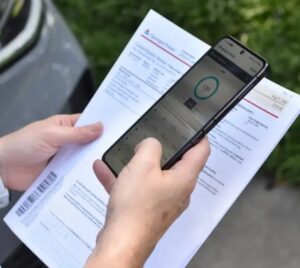
With temperatures pushing into the upper 90s and heat index readings topping 100 degrees across Chattooga County and Northwest Georgia, air conditioners are working overtime — and many households are seeing the consequences when their electric bills arrive.
Georgia households are paying significantly more to keep the lights on than they were just six years ago, as a series of rate increases and higher energy costs continue to push electric bills upward.
Many Georgia Power customers may have noticed that electric bills remain high this summer, even though the utility recently lowered the fuel portion of its rates.
According to WABE, the biggest reason is increased summer electricity use. As temperatures climb, air conditioners run longer and harder, driving up the amount of electricity households consume. At the same time, Georgia Power’s higher seasonal summer rates take effect, meaning customers pay more for electricity during the months when demand is greatest.
Although the Georgia Public Service Commission approved a reduction in Georgia Power’s fuel costs that lowered the average residential bill by about $4 per month beginning in June, those savings are often outweighed by increased air conditioning use and higher summer rates.
Georgia Power recommends several ways to reduce bills, including raising the thermostat by one degree, using a programmable thermostat, replacing HVAC filters regularly, sealing air leaks around doors and windows, and taking advantage of free home energy audits and available rebates for energy-efficient improvements. Consumer advocates also encourage customers to carefully review optional billing plans before switching, as some may cost more over time depending on energy usage.
As temperatures climb into the 90s across Northwest Georgia this week, many Georgia Power customers could see their electric bills rise as air conditioners work harder to keep homes cool.
Georgia Power customers are seeing a small reduction in their electric bills this month, but consumer advocates and energy experts say larger cost concerns may still be on the horizon.
Georgia Power customers could see slightly lower electric bills later this year under a proposed agreement now headed to the Georgia Public Service Commission for approval.