









Georgia Power customers could see slightly lower electric bills later this year under a proposed agreement now headed to the Georgia Public Service Commission for approval.
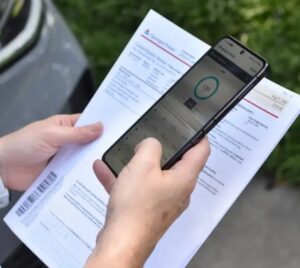
Georgia Power customers across northwest Georgia continue adjusting to higher power bills in 2026 as rate increases and infrastructure costs impact monthly residential expenses.
Georgia Power has broken ground on a new power plant project aimed at supporting the growing demand from data centers across the state.
The expansion is part of a much larger plan to increase energy production as Georgia continues to attract major technology companies and large-scale data operations. Officials say the new facility will help ensure reliable power as demand continues to rise.
State regulators have already approved a major increase in power generation capacity—nearly 10,000 megawatts—to meet that demand, much of it driven by the rapid growth of data centers.
Georgia Power says the investment is critical to maintaining economic growth and keeping up with the needs of businesses moving into the state. However, some critics have raised concerns about long-term costs and the environmental impact, especially with plans that include new natural gas-powered facilities.
The project is one of several underway as utilities work to balance reliability, affordability, and future energy needs in a rapidly growing region.
Georgia Power is encouraging eligible customers to apply for its Income-Qualified Discount program, which is designed to help lower monthly energy bills for households that meet income and program requirements.
As temperatures begin to climb across Northwest Georgia, many residents are bracing for another season of high Georgia Power bills — and for some families, the financial strain is already being felt.
Georgia Power is asking state regulators to approve a plan that would charge customers $912 million over the next four years to recover costs tied to Hurricane Helene and other major storms. The proposal, filed with the Georgia Public Service Commission, would add about $4.42 per month to the typical residential bill based on 1,000 kilowatt-hours of usage, with higher-use households likely paying more.
State Rep. Eddie Lumsden (R-Armuchee), who represents all of Chattooga County and part of Floyd County, says the Georgia House has passed the halfway point of the 2026 legislative session after completing Legislative Day 22. Lawmakers returned to the Capitol following the President’s Day holiday and moved several bills forward during a busy week.
Lumsden highlighted passage of House Bill 1063, which would prevent electric utilities from shifting certain costs tied to large data centers onto residential and small business customers, while codifying Public Service Commission cost-allocation rules into state law. He noted Georgia’s rapid data center growth is driving increased energy demand statewide.
The House also approved legislation to increase access to naloxone on college and technical campuses, expand protections for foster placement caregivers, support autism screenings for children in foster care, strengthen student-athlete health requirements, and improve roadside safety during traffic stops as work continues toward Crossover Day.
See Rep. Lumsden’s complete report below:
A Georgia Senate committee has rewritten legislation meant to protect consumers from higher electricity costs tied to the state’s fast-growing data center industry, advancing a version that supporters say is less explicit about shielding residential customers. The Senate Regulated Industries Committee approved the revamped proposal after rejecting language that would have clearly barred utilities from passing certain data center-related costs onto regular ratepayers.