









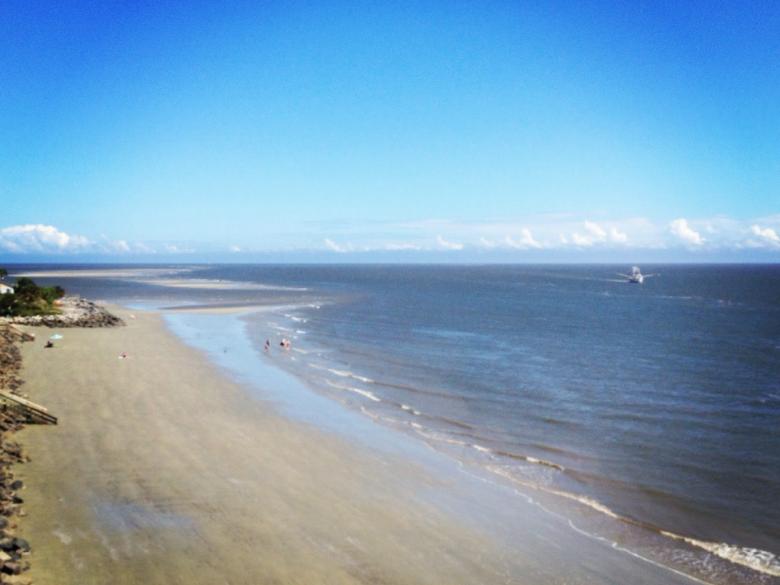
Anyone planning a trip to the Georgia coast this summer may want to check beach conditions before heading into the water.
State officials have identified 15 miles of beachfront on Tybee Island, St. Simons Island, and Jekyll Island where elevated levels of enterococci, a type of fecal bacteria, have exceeded recreational water quality standards. The affected beach segments have been classified as “not supporting” recreational use under the Clean Water Act.
According to the Georgia Department of Natural Resources, enterococci bacteria can originate from wastewater, failing septic systems, stormwater runoff, wildlife, and pet waste. While the bacteria itself is used as an indicator, elevated levels may signal the presence of other disease-causing organisms that can increase the risk of illness for swimmers.
State officials are working to develop cleanup plans for the affected waters, and public comments on those plans are being accepted through July 16. Before visiting Georgia’s beaches, officials recommend checking the latest advisories through the Georgia Healthy Beaches program



DNR Proposes Updates To Georgia Protected Species List
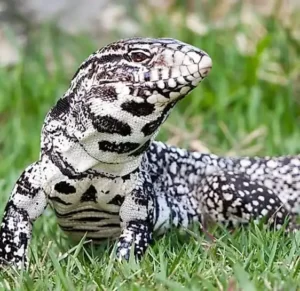
The Georgia Department of Natural Resources is proposing updates to the state’s protected species list for the first time since 2006.
The list includes plant and animal species protected under Georgia’s Endangered Wildlife Act and Wildflower Preservation Act. These are species considered most in need of conservation across the state.
State listing makes it illegal to intentionally harm protected animals. It also restricts removing protected plants from state land without a permit, or from private land without the landowner’s permission.
DNR says the proposed updates include adding and removing species, updating scientific names, and aligning some state listings with federal status.
The agency says the changes were developed as part of the 2025 revision of Georgia’s State Wildlife Action Plan.
The public may also nominate species for consideration through June 30, 2026, using the online nomination form provided by DNR.
Final proposed changes will be made available for public comment before being sent to the Board of Natural Resources for adoption.