










Chattooga County Sole Commissioner Andy Allen is reviewing four construction bids for the restoration of the historic Tooga Theater in downtown Summerville, with all four proposals exceeding the amount currently available for the project.

Chattooga County Sole Commissioner Andy Allen is reviewing four construction bids for the restoration of the historic Tooga Theater in downtown Summerville, with all four proposals exceeding the amount currently available for the project.
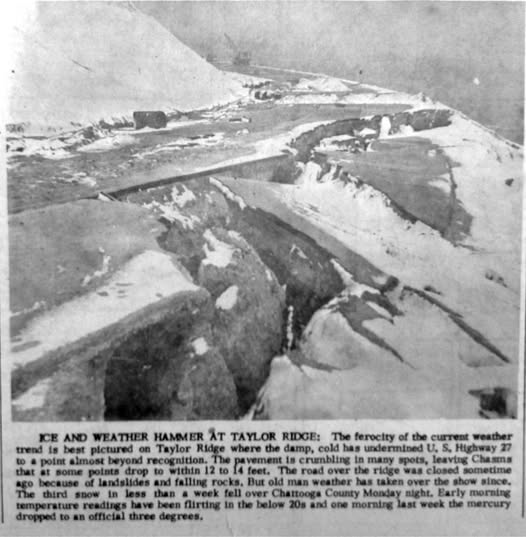
With another major road construction project set to begin on Taylor’s Ridge, it’s a reminder that keeping roads open and passable across the mountain has been a challenge for generations. In fact, long before the Georgia Department of Transportation existed, Chattooga County residents were required to help maintain the roads themselves.
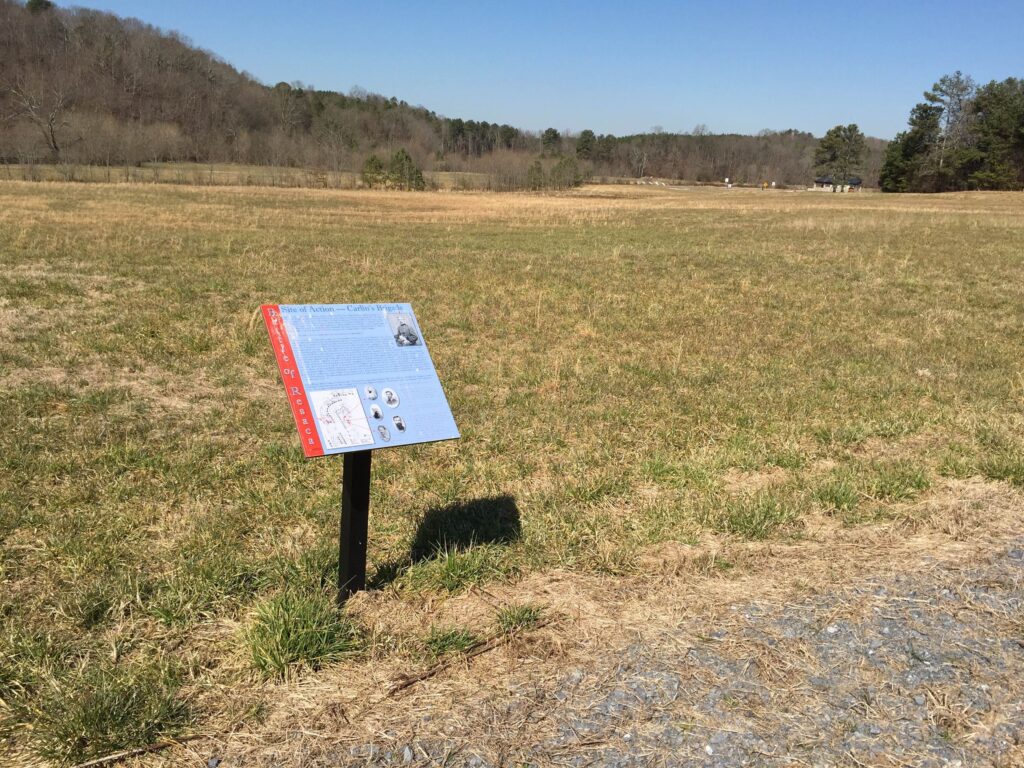
Nearly $2 million will be invested in preserving more than 300 acres of historic Civil War battlefield land in Gordon and Whitfield counties through a new Georgia preservation program.
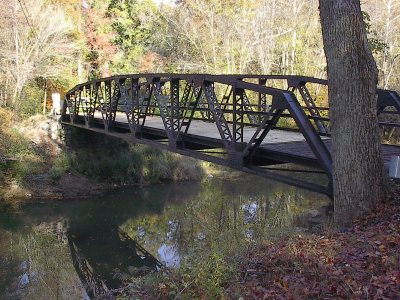
A historic iron bridge over Armuchee Creek in Floyd County is closed this week as crews replace its wooden deck.
Floyd County Public Works closed the single-lane bridge on Little Texas Valley Road beginning at 8 a.m. Monday, October 12. Repairs are expected to be completed by 4 p.m. Thursday, October 15, weather and construction conditions permitting.
The bridge is located between U.S. Highway 27, also known as Martha Berry Highway, and Scenic Road, near the Armuchee Post Office.
Motorists can use Scenic Road as an alternate route to and from Highway 27 North. Drivers should follow any posted detour signs and allow additional travel time.
No vehicles will be permitted to cross the bridge during the repairs.
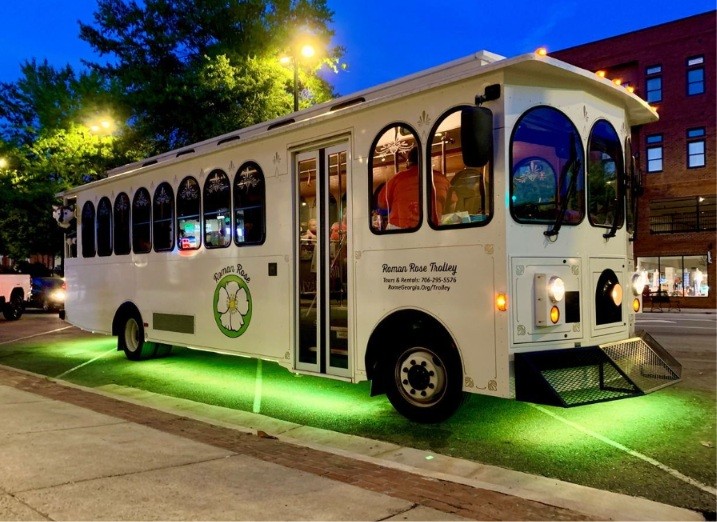
Those looking for a little Halloween excitement can take a ride through Rome’s haunted past later this month as the Rome Area History Center presents its Haunted on Broad Trolley Tours.
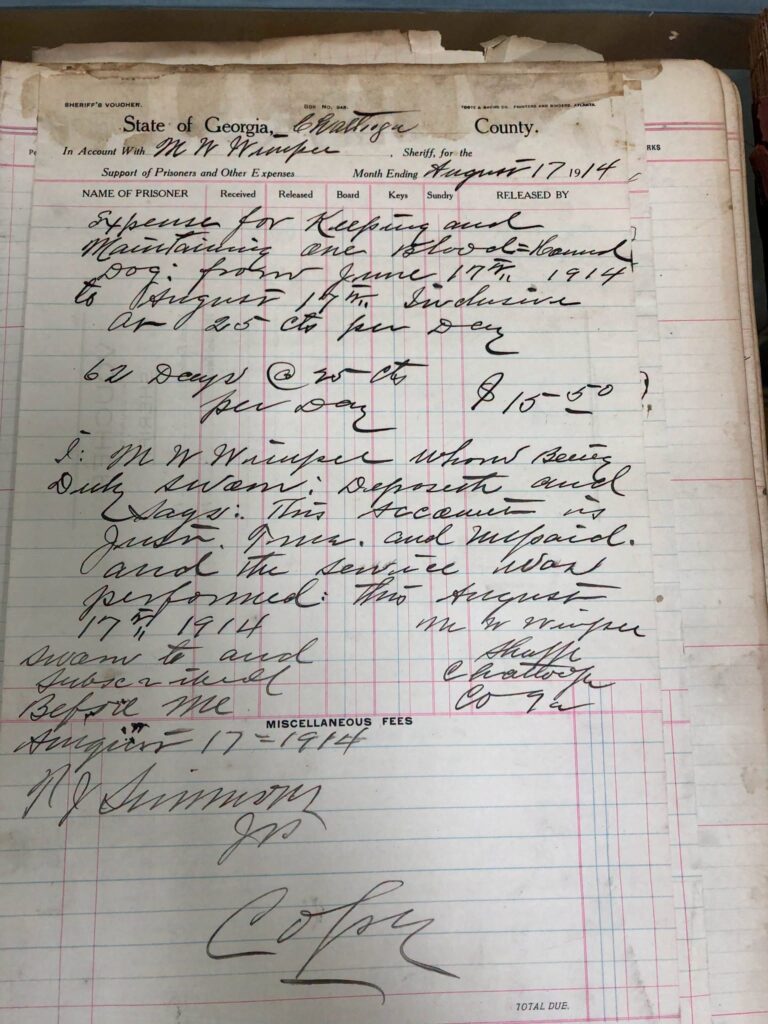
A handwritten receipt shared last week on social media by the Chattooga County Historical Society provides a fascinating glimpse into law enforcement in Chattooga County more than a century ago — and connects with one of the county’s most dramatic crimes of the era.
The document is a sheriff’s voucher from 1914 associated with Chattooga County Sheriff M.W. Wimpee. Among the expenses listed is the cost of keeping and maintaining a bloodhound dog from June 17 through August 17, 1914.
The county was charged 25 cents per day for 62 days, bringing the total bill for keeping the dog to $15.50.
The bloodhound is an especially interesting part of the record because tracking dogs had played an important role earlier that year in the investigation of the Bank of Lyerly robbery.
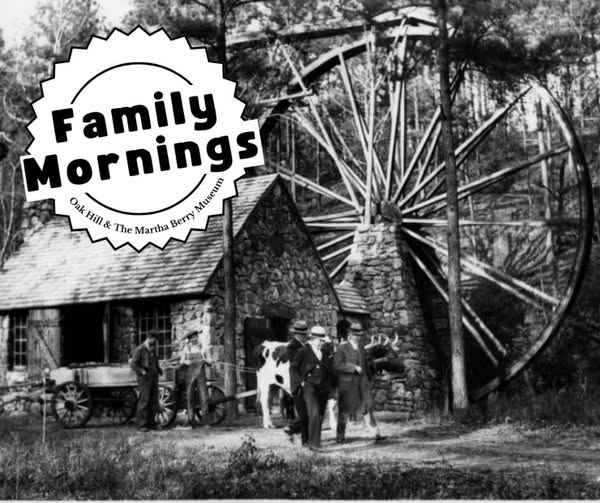
Families from across Northwest Georgia are invited to Oak Hill and The Martha Berry Museum in Rome next month for a free morning of hands-on history, activities and family learning.
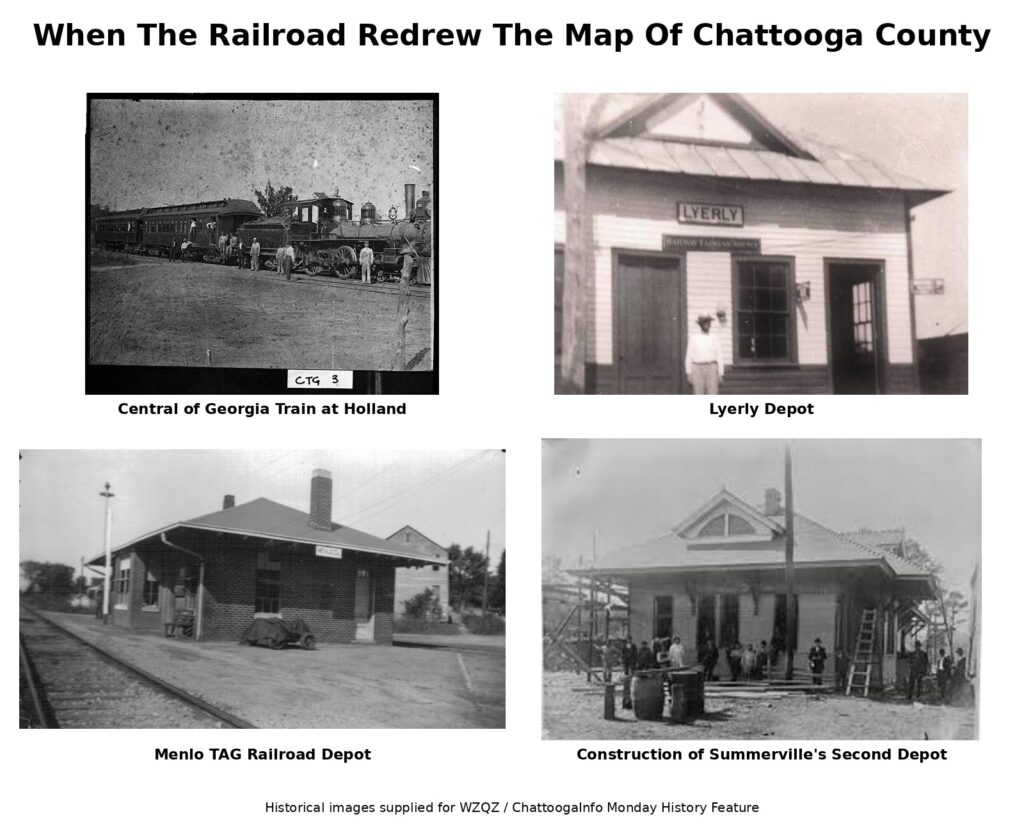
The communities we know today as Summerville, Lyerly and Menlo might look very different had railroad tracks been laid just a few miles in another direction.
When railroads finally arrived in Chattooga County during the late 1800s, they did much more than provide transportation. They determined where businesses opened, where people settled, which communities grew and, in some cases, which communities disappeared.
And at one point, the railroad nearly bypassed Summerville altogether.
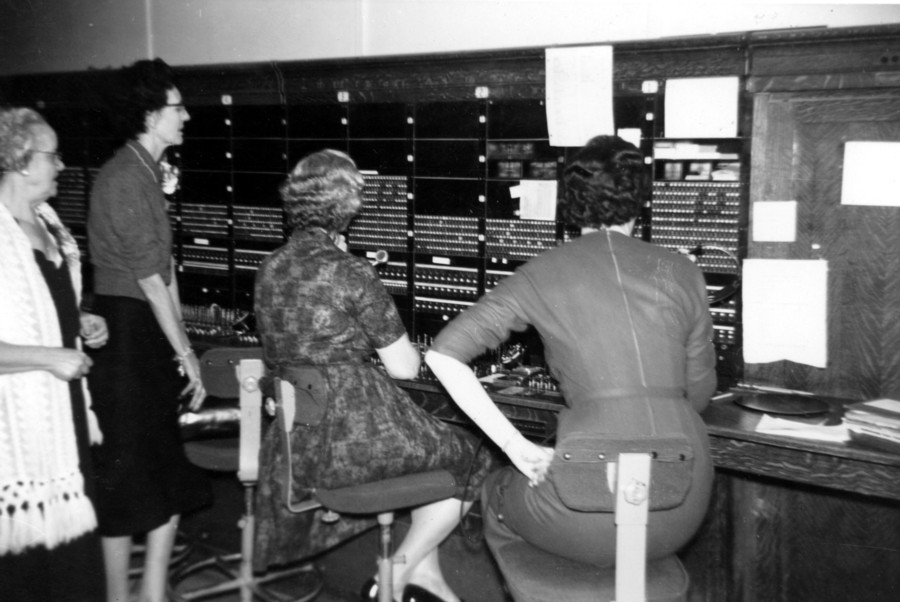
For people living in Chattooga County today, flipping a light switch or making a telephone call is so ordinary that little thought is given to either one.
But a little more than a century ago, both represented technologies that were beginning to fundamentally change everyday life.
There was a time when darkness meant lighting an oil lamp, when many homes drew their water from wells, and when making a long-distance telephone call in Chattooga County meant traveling into Summerville and going inside a local store.
The arrival of electricity and the telephone didn’t happen everywhere at once. The technologies spread gradually through mills, businesses and towns before becoming commonplace in homes throughout the county.
And when it came to electricity, Trion was among the first places in Chattooga County to enter the electrical age.
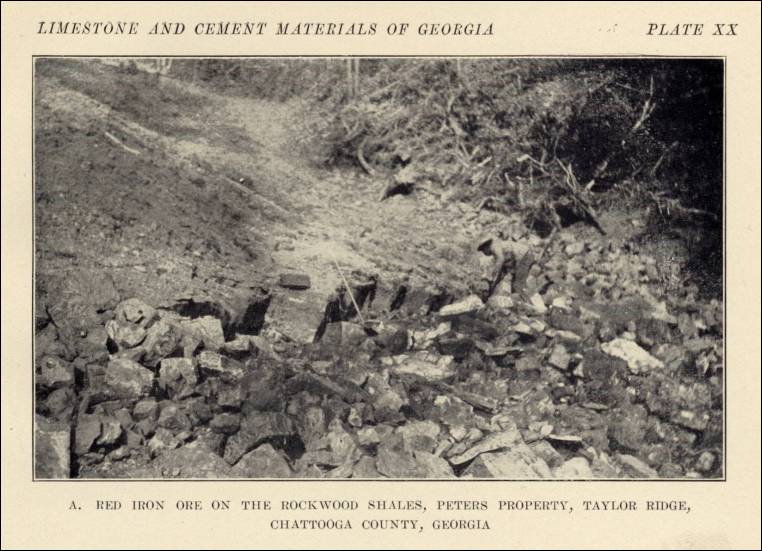
Long before manufacturing became a major part of Chattooga County’s economy, people looked to the mountains and ridges surrounding the county for another source of economic development — minerals buried beneath the ground.