









When Cotton Was King In Chattooga County And Cotton Gins Were A Way Of Life

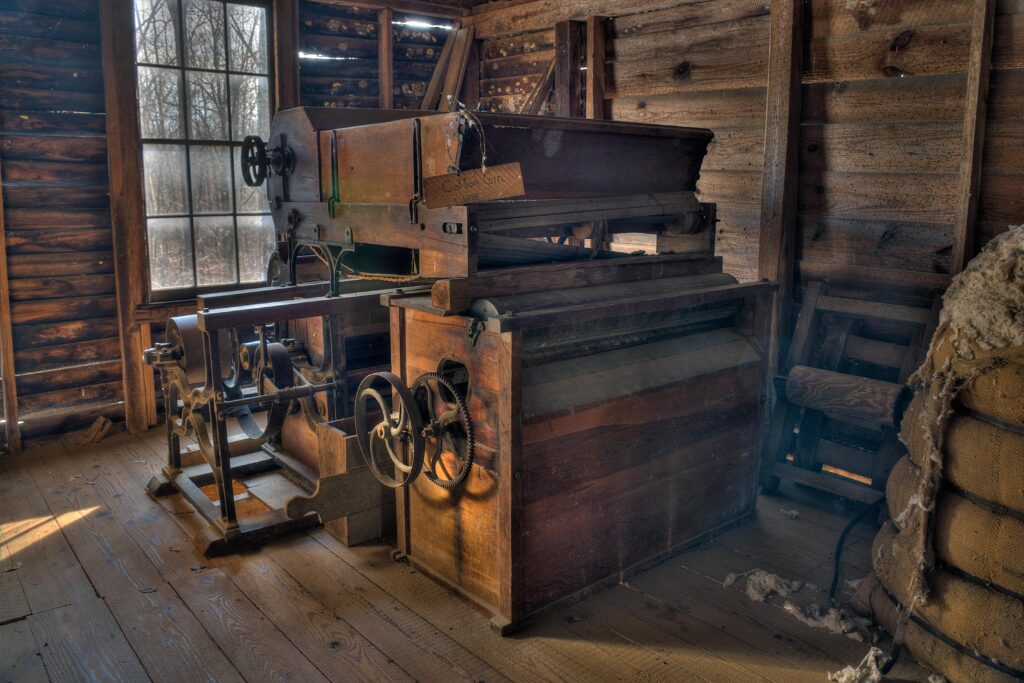
There was a time when the arrival of autumn in Chattooga County meant more than cooler weather and changing leaves. It meant cotton-picking season, when farmers worked long hours bringing in a crop that was once the backbone of the county’s agricultural economy.

From the early days of Chattooga County in the 1800s through much of the first half of the 20th century, cotton was one of the most important sources of income for local farm families.

According to research by the Chattooga County Historical Society, cotton dominated local agriculture from the time the county was established in 1838. By the early 1900s, agricultural agents were encouraging farmers to diversify their crops rather than depend so heavily on cotton.
Read more

A Bloodhound, A Bank Robbery And A Sheriff’s Bill From 1914

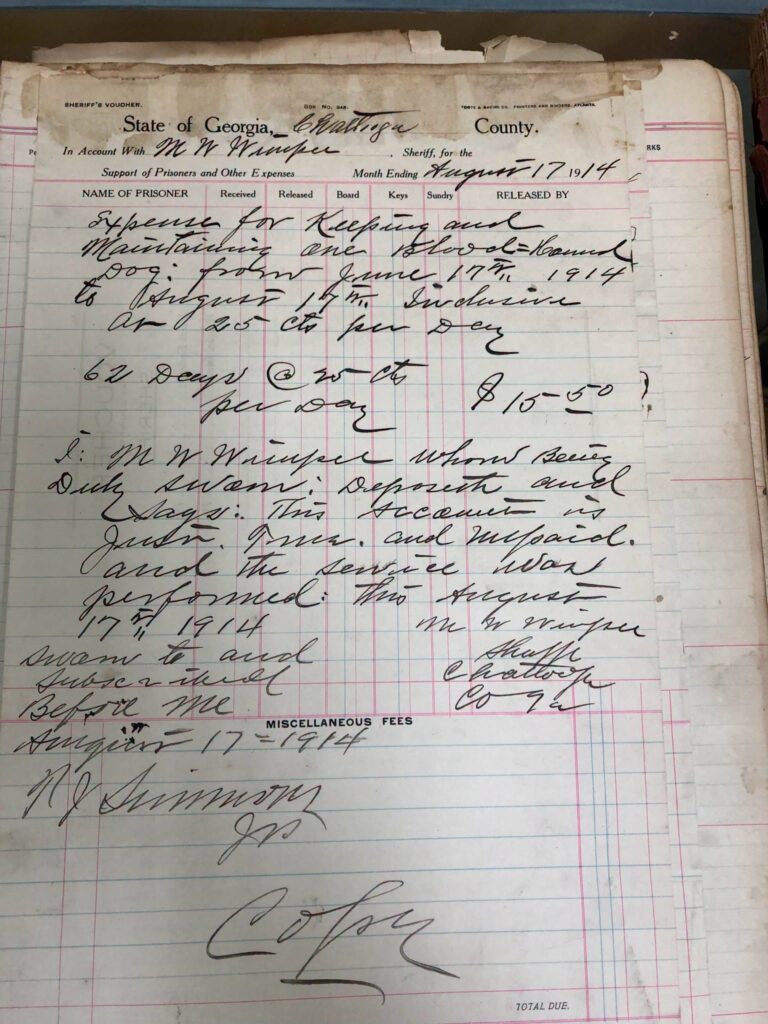
A handwritten receipt shared last week on social media by the Chattooga County Historical Society provides a fascinating glimpse into law enforcement in Chattooga County more than a century ago — and connects with one of the county’s most dramatic crimes of the era.

The document is a sheriff’s voucher from 1914 associated with Chattooga County Sheriff M.W. Wimpee. Among the expenses listed is the cost of keeping and maintaining a bloodhound dog from June 17 through August 17, 1914.

The county was charged 25 cents per day for 62 days, bringing the total bill for keeping the dog to $15.50.

The bloodhound is an especially interesting part of the record because tracking dogs had played an important role earlier that year in the investigation of the Bank of Lyerly robbery.

Read more

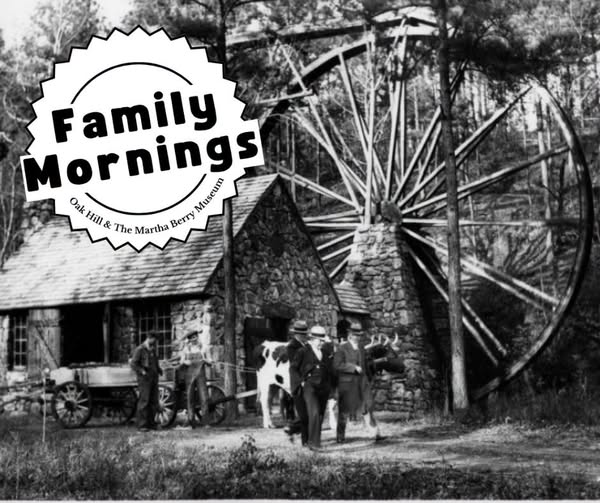
Free Family Morning At Oak Hill To Highlight Martha Berry’s Famous Friends

Families from across Northwest Georgia are invited to Oak Hill and The Martha Berry Museum in Rome next month for a free morning of hands-on history, activities and family learning.

Read more

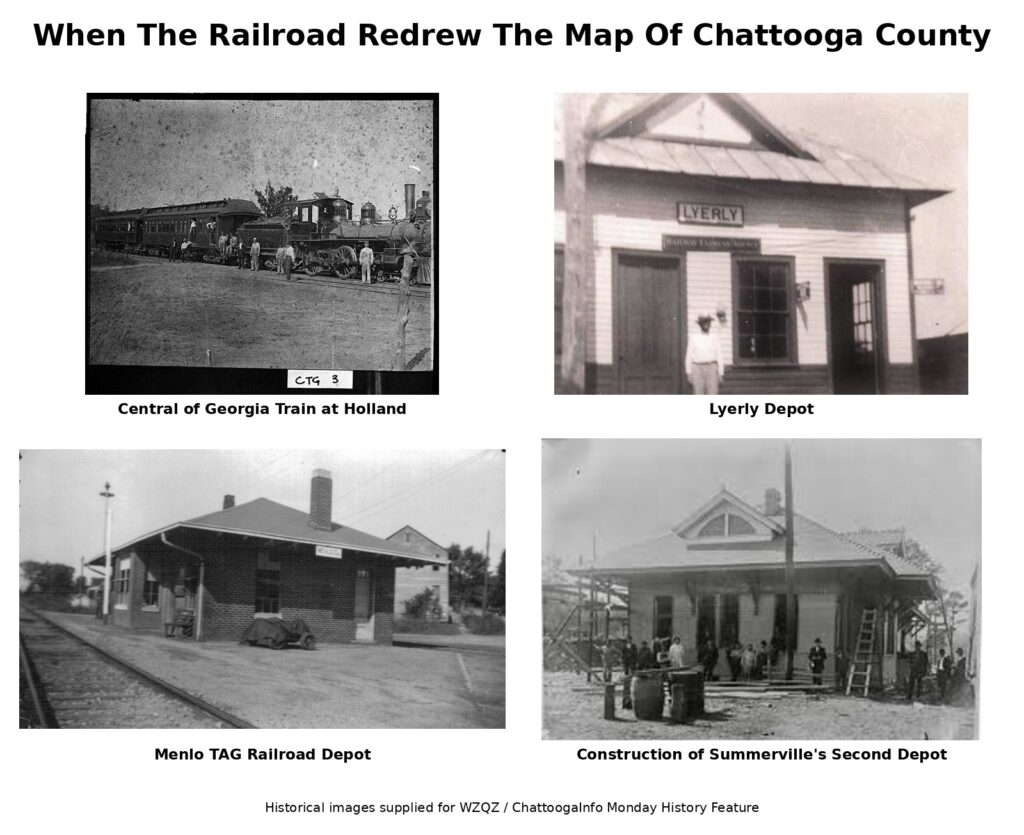
When The Railroad Redrew The Map Of Chattooga County

The communities we know today as Summerville, Lyerly and Menlo might look very different had railroad tracks been laid just a few miles in another direction.

When railroads finally arrived in Chattooga County during the late 1800s, they did much more than provide transportation. They determined where businesses opened, where people settled, which communities grew and, in some cases, which communities disappeared.

And at one point, the railroad nearly bypassed Summerville altogether.

Read more

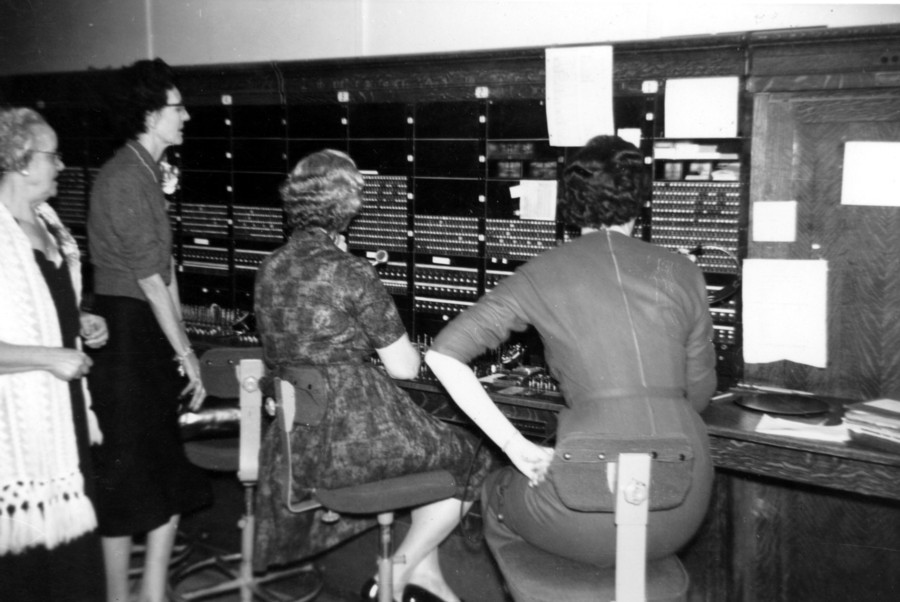
From Lamplight To Long Distance: How Electricity And Telephones Changed Chattooga County

Telephone operators at the Summerville Telephone Company on the final day of operator-assisted telephone service in 1960. Direct dialing began the following day. (Photo courtesy of Ben Bridges/Chattooga Photo History)

For people living in Chattooga County today, flipping a light switch or making a telephone call is so ordinary that little thought is given to either one.

But a little more than a century ago, both represented technologies that were beginning to fundamentally change everyday life.

There was a time when darkness meant lighting an oil lamp, when many homes drew their water from wells, and when making a long-distance telephone call in Chattooga County meant traveling into Summerville and going inside a local store.

The arrival of electricity and the telephone didn’t happen everywhere at once. The technologies spread gradually through mills, businesses and towns before becoming commonplace in homes throughout the county.

And when it came to electricity, Trion was among the first places in Chattooga County to enter the electrical age.

Read more

Antique Tractor & Small Engine Show Coming To Summerville Train Depot

A celebration of rural American history and the evolution of farming technology is coming to downtown Summerville later this month.

Read more

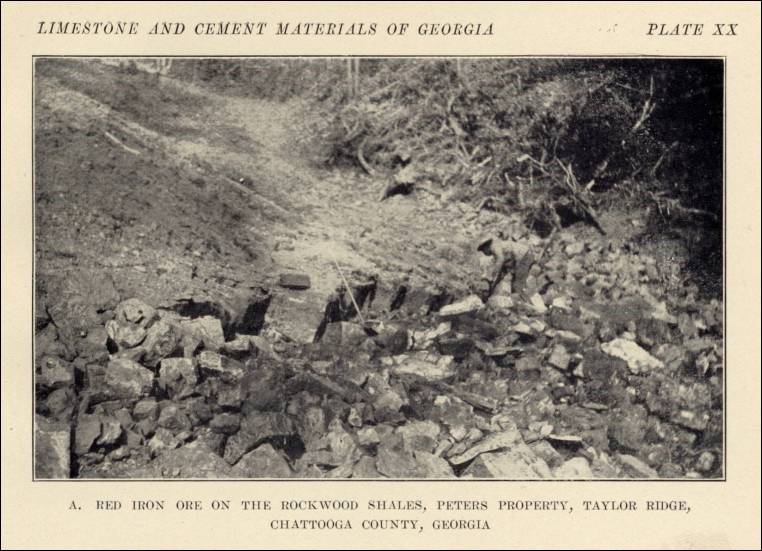
From Iron Ore To Coal — Chattooga County’s Mining Past

Long before manufacturing became a major part of Chattooga County’s economy, people looked to the mountains and ridges surrounding the county for another source of economic development — minerals buried beneath the ground.

Read more

Museum Of LaFayette Seeks Local Cherokee Family Histories For New Exhibit

The Museum of LaFayette is asking area residents to help document local Cherokee history as the museum prepares a new exhibit at the historic Chattooga Academy in LaFayette.

Read more

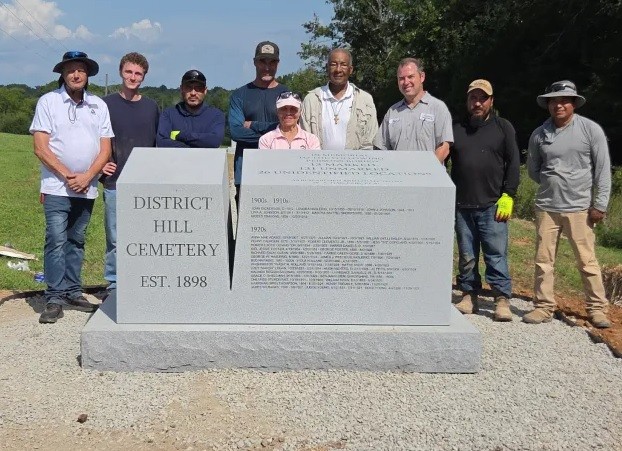
Historic District Hill Cemetery Project Nears Completion In Walker County

A decade-long effort to preserve and honor an important piece of African American history in Walker County is nearing completion, with a formal dedication ceremony now scheduled for next month.

Read more

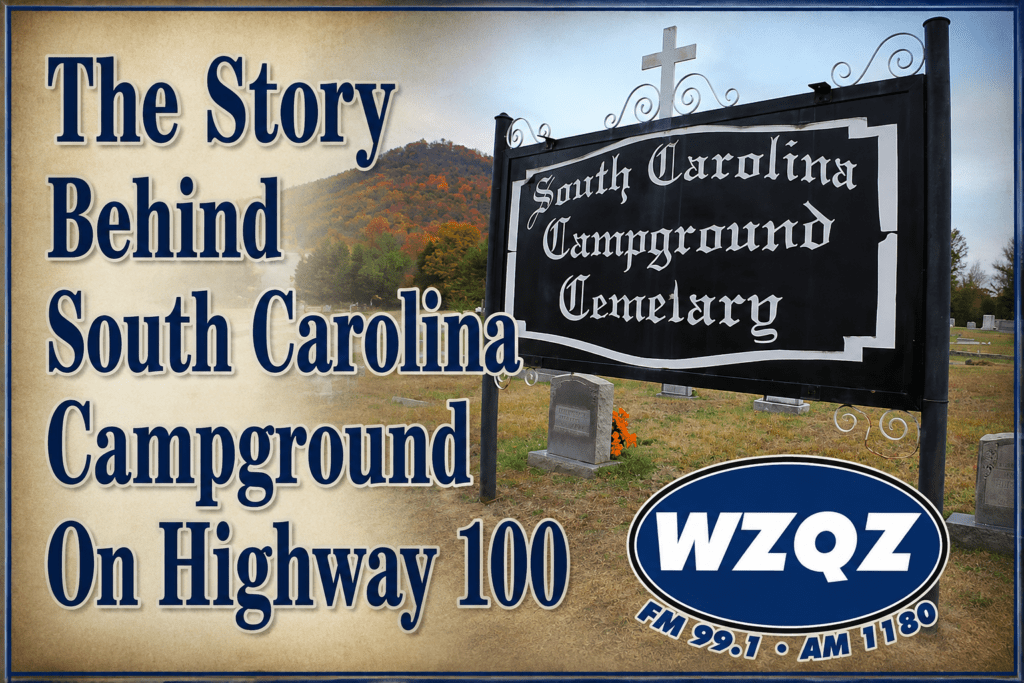
South Carolina In Chattooga County? The History Behind An Unusual Local Name

Motorists traveling Georgia Highway 100 between Summerville and the Floyd County line pass a place whose unusual name reaches deep into Chattooga County’s earliest history.

South Carolina Campground sits near the southern end of Taylor’s Ridge in the High Point area. To someone unfamiliar with the community, the name might seem out of place. After all, the South Carolina state line is many miles away.

But the name is a reminder of the families who settled this portion of Chattooga County during the 1800s — and of a time when a rural campground could serve not only as a place of worship, but as a school, meeting place, cemetery and center of community life.

Records indicate the history of South Carolina Campground stretches back to the 1840s, only a few years after Chattooga County itself was created in 1838.

Read more