










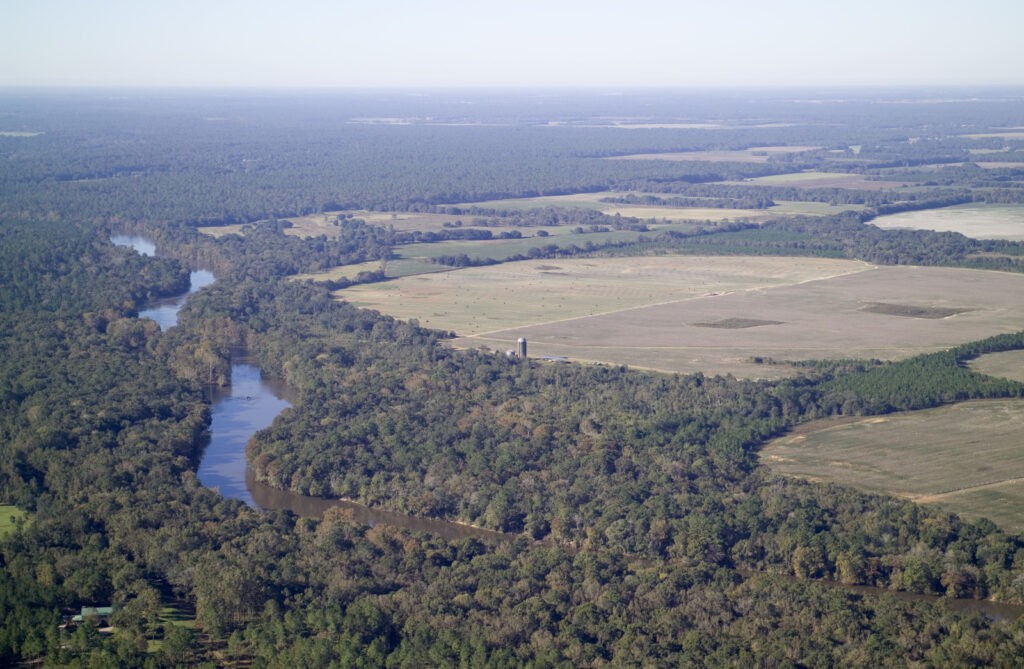
After months of severe drought that brought dry pastures, stressed crops and concerns over water supplies, Georgia has experienced a dramatic turnaround — and Northwest Georgia is among the areas seeing substantial improvement.
The National Weather Service says the drought that began in September 2025 has officially ended across North and Central Georgia, following repeated rounds of soaking summer rainfall. The improvement is particularly significant considering just how widespread and severe the drought became earlier this year.
At its peak in April, 100 percent of Georgia was experiencing severe drought or worse, the first time that had occurred in the history of the U.S. Drought Monitor. At one point, portions of the state reached D4 Exceptional Drought, the highest category on the drought scale.
Northwest Georgia Was Hit Hard
Northwest Georgia was certainly not spared.
In April, the U.S. Department of Agriculture designated Chattooga and Gordon counties as primary natural disaster areas because of the drought. Walker County had already been included among the counties receiving a primary disaster designation, while Floyd County was among counties eligible because of its proximity to designated areas.
Those declarations made eligible agricultural producers able to seek USDA Farm Service Agency emergency loan assistance.
The dry conditions were particularly concerning for Northwest Georgia’s cattle and hay producers. During severe drought, soil moisture declines, hay production can suffer, pastures deteriorate and livestock producers may be forced to begin supplemental feeding earlier than normal.
Summer Rainfall Changed The Picture
The turnaround began as more frequent rainfall returned during late spring and summer.
By late June, the National Weather Service reported widespread drought improvement following several weeks of soaking rainfall. Some areas of North and Central Georgia received 4 to 9 inches of rain during a 30-day period, with some locations recording as much as 250 percent of their normal rainfall.
Even then, Northwest Georgia had some catching up to do. Areas of North Georgia remained roughly 5 to 10 inches below normal rainfall for the year despite the substantial improvement.
The recovery continued through July. By early August, the Weather Service reported that typical summertime thunderstorms had produced generally 3 to 7½ inches of rainfall over a 30-day period, with approximately 8 to 12 inches over 60 days in parts of North and Central Georgia.
That rainfall was enough to eliminate the remaining severe drought conditions and bring the prolonged drought episode to an official end across the region.
A Remarkable Change Since Spring
The recovery represents a major shift from conditions only a few months ago.
The 2025-2026 drought lasted for months, with Georgia experiencing 38 consecutive weeks of drought conditions during the event. Severe drought first appeared in Georgia in September 2025, and conditions ultimately reached Exceptional Drought before the recovery began.
The latest U.S. Drought Monitor, released Thursday, August 20th and based on conditions through August 18th, shows how dramatically conditions have improved from the widespread drought that covered Georgia this spring.
Recovery Doesn’t Mean The Ground Is Completely Recharged
There is an important distinction between being out of drought and having completely erased the effects of months of dry weather.
The Weather Service has noted that lingering dryness can remain even after official drought classifications disappear. Ground moisture, deeper soil moisture, streamflows and groundwater can take longer to fully recover, and the scattered nature of summertime thunderstorms means rainfall totals can vary significantly over relatively short distances.
Hot summer temperatures also increase evaporation and water demand, meaning an extended period of hot, dry weather could cause soil moisture to deteriorate again relatively quickly.
For farmers, particularly cattle and hay producers, recovery from a drought can also take longer than the change shown on a drought map. Pastures, forage supplies and farm finances can continue feeling the effects long after rainfall returns.
Still, for Chattooga, Walker, Floyd and Gordon counties and the rest of Northwest Georgia, conditions entering the latter part of August are substantially better than they were this spring.
After one of Georgia’s most significant drought episodes in recent history, repeated summer rainfall has brought Northwest Georgia out of official drought and given pastures, crops, streams and water supplies an opportunity to recover.
Comments