










Georgia motorists will continue getting a break at the gas pump after Governor Brian Kemp extended the state’s suspension of motor fuel taxes through November 5.

Georgia motorists will continue getting a break at the gas pump after Governor Brian Kemp extended the state’s suspension of motor fuel taxes through November 5.
Livestock owners in Chattooga County and across Georgia are being urged to stay alert as the Georgia Department of Agriculture has reinstated enhanced animal-entry requirements following another detection of New World screwworm in New Mexico.

A Walker County animal rescue organization will receive $8,000 from the Georgia Department of Agriculture to help pay for spaying and neutering dogs and cats.
Fraternity of the 4 Paws is among the organizations selected for funding through Georgia’s 2026 Dog and Cat Sterilization Program. The Department of Agriculture’s official recipient list identifies the organization as a Walker County grant recipient.
The state program provides funding for spay and neuter procedures as part of an effort to reduce dog and cat overpopulation across Georgia.
Grant money may be used for sterilization surgeries, but not for administrative costs or other veterinary expenses such as vaccinations, medications, testing or food.
The program is funded in part through Georgia specialty dog and cat license plates, a state income-tax checkoff and private donations.
The Georgia Department of Agriculture says the grants are intended to help local organizations provide more low-cost sterilization services and reduce the number of unwanted animals entering shelters and rescues.
Chattooga County residents who are approached at their homes by someone offering pest control services are being urged to ask for a state-issued license before signing a contract or allowing any work to begin.

Farmers and farm equipment buyers in Chattooga County are being urged to use extra caution when shopping for tractors and other agricultural equipment online as federal and state officials warn about increasingly sophisticated scams involving fake equipment dealerships.
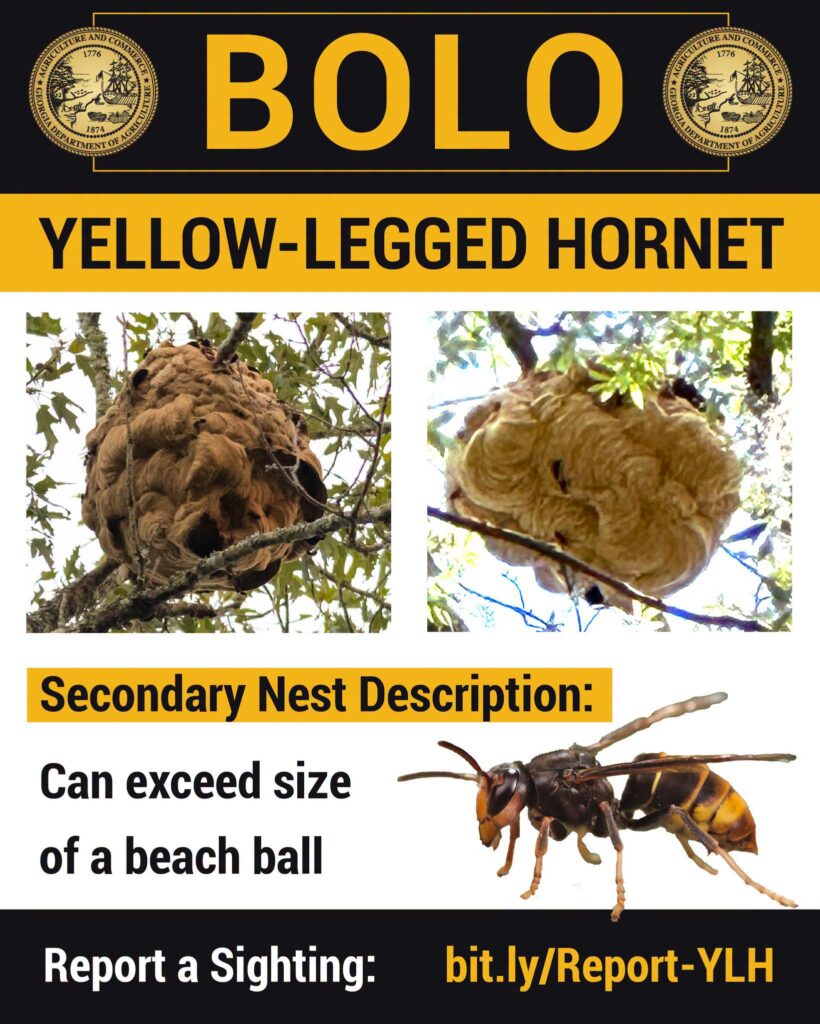
Georgia agriculture officials are continuing an aggressive effort to track and eradicate the invasive yellow-legged hornet, with more than 1,000 of the insects found during August alone.
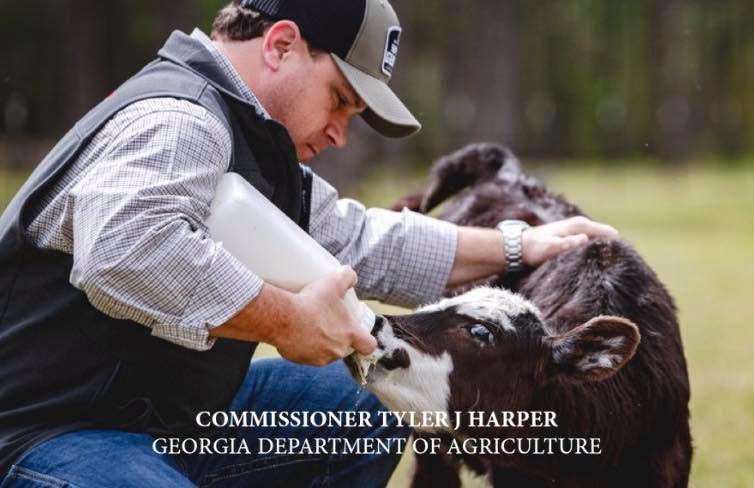
Georgia Agriculture Commissioner Tyler Harper is raising concerns about President Donald Trump’s plan to temporarily allow more foreign beef into the United States, saying the move could undercut American cattle producers just as they are beginning to recover from several difficult years.

The Georgia Department of Agriculture is warning farmers, vendors and small-business owners about a fraudulent event advertised on social media as being held at the Atlanta State Farmers Market.
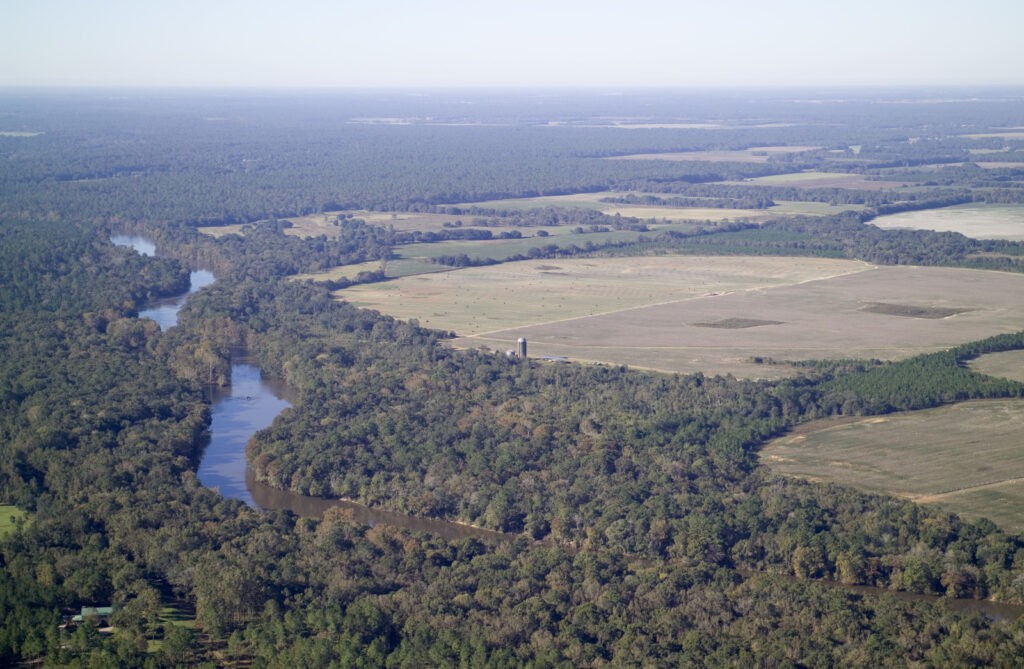
After months of severe drought that brought dry pastures, stressed crops and concerns over water supplies, Georgia has experienced a dramatic turnaround — and Northwest Georgia is among the areas seeing substantial improvement.
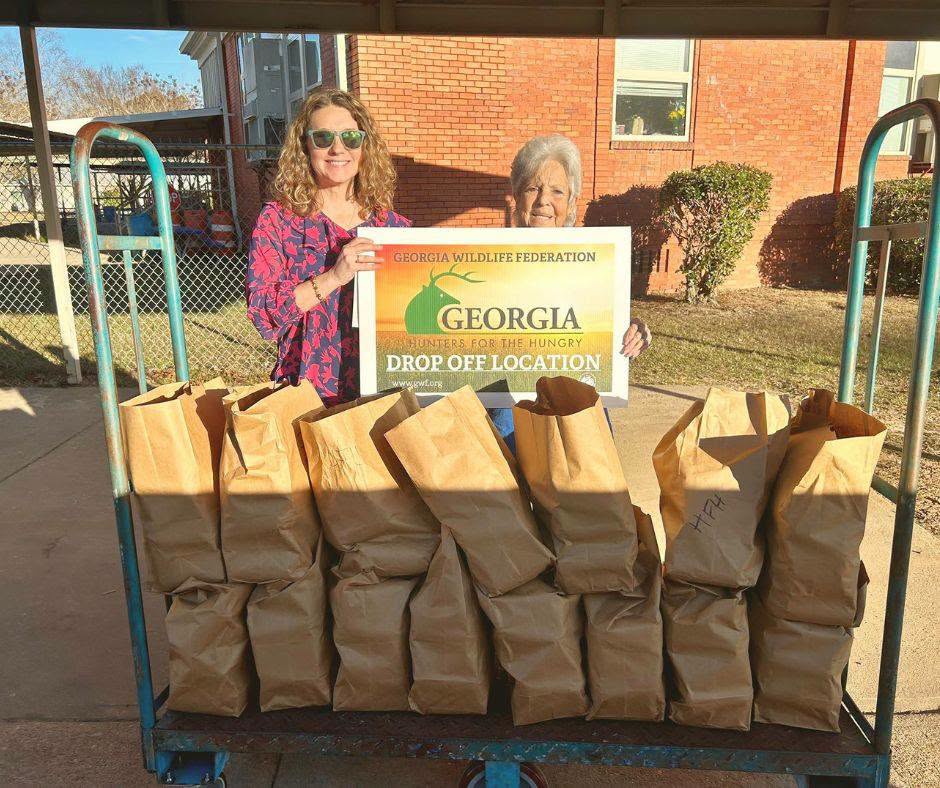
A Georgia program is turning successful deer harvests into meals for families in need across the state.
The Georgia Wildlife Federation’s Hunters for the Hungry program allows hunters to donate harvested venison, which is then processed and distributed to food banks and other hunger-fighting organizations throughout Georgia.
The program also supports wildlife management efforts. Many landowners already work to control deer populations in order to protect crops, timber and other resources, and Hunters for the Hungry provides a way for that harvested game to benefit local communities.
According to the Georgia Department of Agriculture, the program received more than 140,000 pounds of donated venison last year, providing more than 579,000 meals to Georgians in need.
Supporters say the program combines conservation, responsible wildlife management and food assistance while making use of a valuable source of protein.
Hunters and others interested in supporting the effort can learn more through the Georgia Wildlife Federation’s Hunters for the Hungry program at gwf.org/ghfth.