





Families from across Northwest Georgia are invited to Oak Hill and The Martha Berry Museum in Rome next month for a free morning of hands-on history, activities and family learning.

Families from across Northwest Georgia are invited to Oak Hill and The Martha Berry Museum in Rome next month for a free morning of hands-on history, activities and family learning.
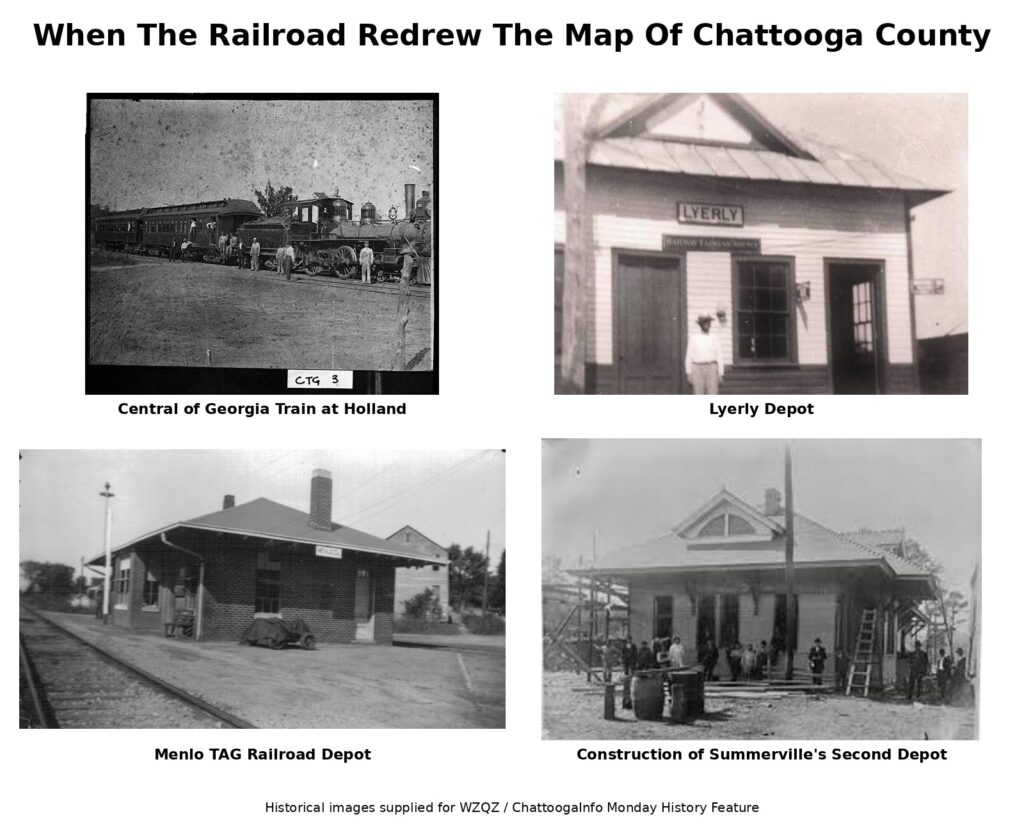
The communities we know today as Summerville, Lyerly and Menlo might look very different had railroad tracks been laid just a few miles in another direction.
When railroads finally arrived in Chattooga County during the late 1800s, they did much more than provide transportation. They determined where businesses opened, where people settled, which communities grew and, in some cases, which communities disappeared.
And at one point, the railroad nearly bypassed Summerville altogether.
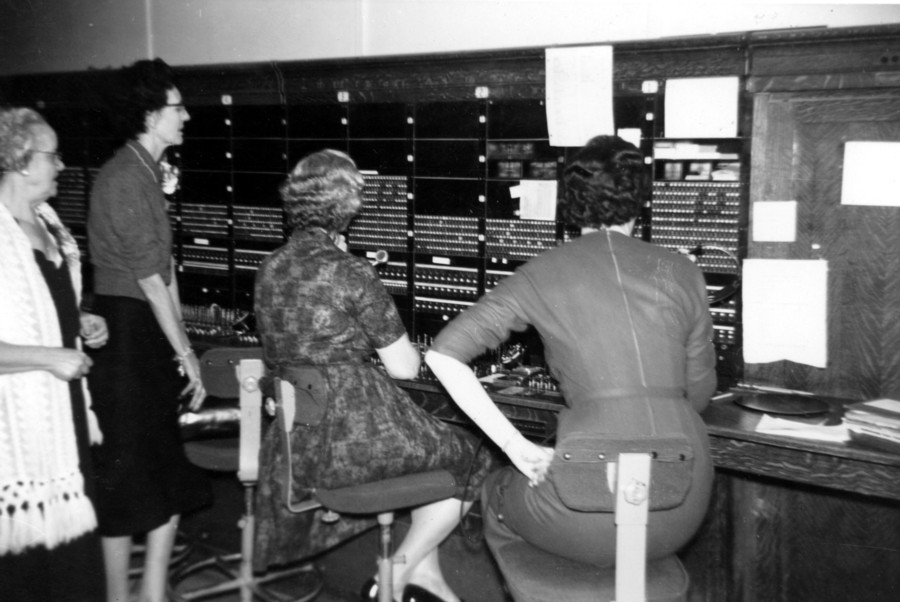
For people living in Chattooga County today, flipping a light switch or making a telephone call is so ordinary that little thought is given to either one.
But a little more than a century ago, both represented technologies that were beginning to fundamentally change everyday life.
There was a time when darkness meant lighting an oil lamp, when many homes drew their water from wells, and when making a long-distance telephone call in Chattooga County meant traveling into Summerville and going inside a local store.
The arrival of electricity and the telephone didn’t happen everywhere at once. The technologies spread gradually through mills, businesses and towns before becoming commonplace in homes throughout the county.
And when it came to electricity, Trion was among the first places in Chattooga County to enter the electrical age.

A celebration of rural American history and the evolution of farming technology is coming to downtown Summerville later this month.
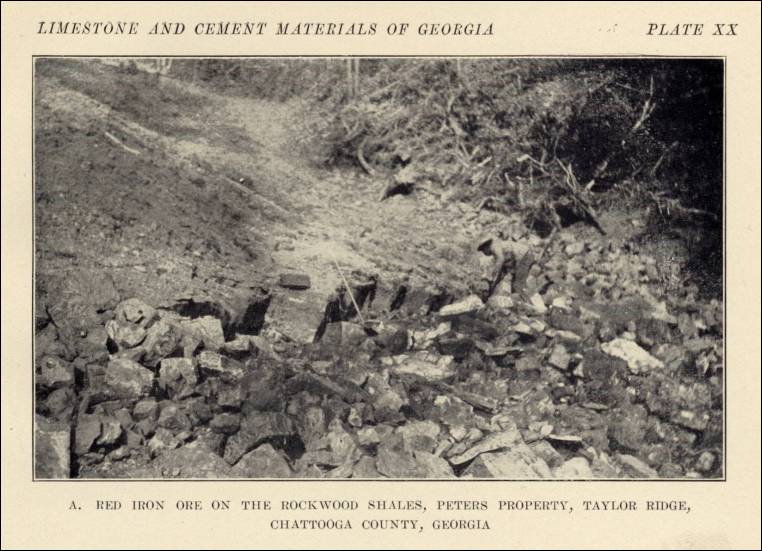
Long before manufacturing became a major part of Chattooga County’s economy, people looked to the mountains and ridges surrounding the county for another source of economic development — minerals buried beneath the ground.
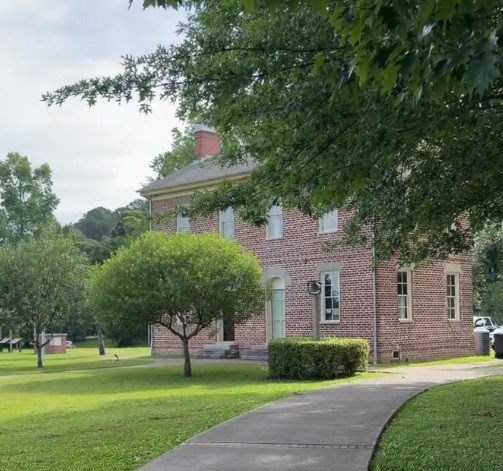
The Museum of LaFayette is asking area residents to help document local Cherokee history as the museum prepares a new exhibit at the historic Chattooga Academy in LaFayette.
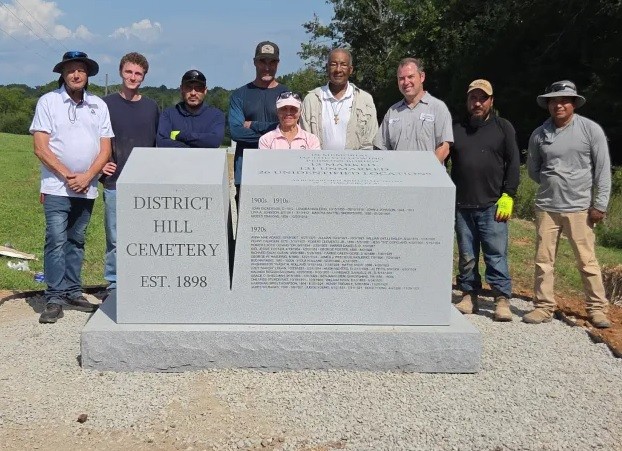
A decade-long effort to preserve and honor an important piece of African American history in Walker County is nearing completion, with a formal dedication ceremony now scheduled for next month.
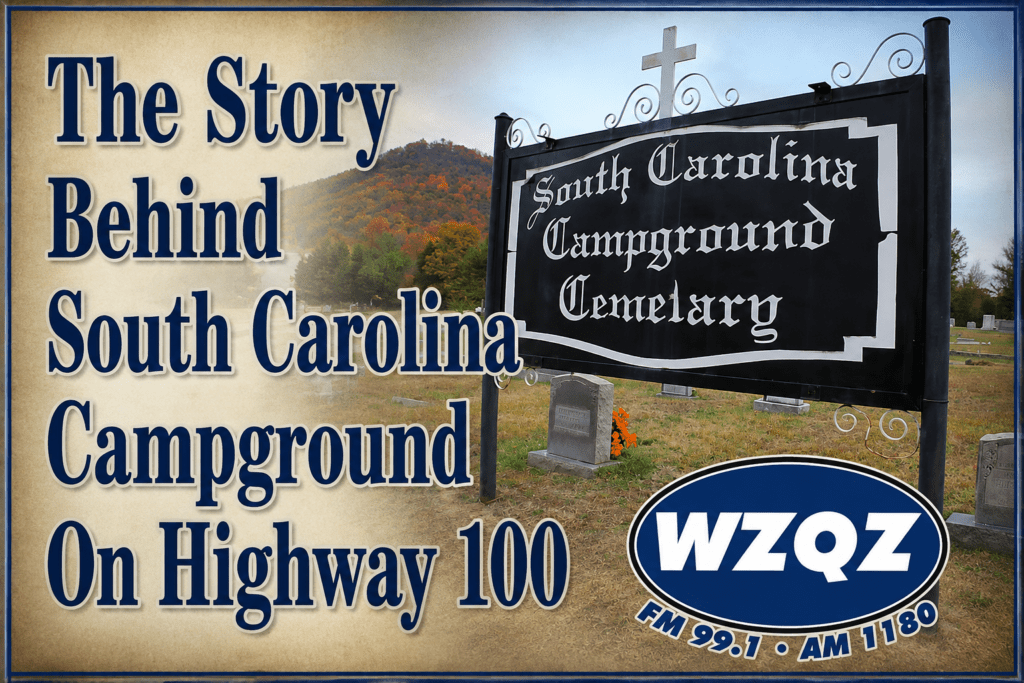
Motorists traveling Georgia Highway 100 between Summerville and the Floyd County line pass a place whose unusual name reaches deep into Chattooga County’s earliest history.
South Carolina Campground sits near the southern end of Taylor’s Ridge in the High Point area. To someone unfamiliar with the community, the name might seem out of place. After all, the South Carolina state line is many miles away.
But the name is a reminder of the families who settled this portion of Chattooga County during the 1800s — and of a time when a rural campground could serve not only as a place of worship, but as a school, meeting place, cemetery and center of community life.
Records indicate the history of South Carolina Campground stretches back to the 1840s, only a few years after Chattooga County itself was created in 1838.

The role of the public library continues to change, and residents in Chattooga County and Trion have access to services that go well beyond checking out a book.
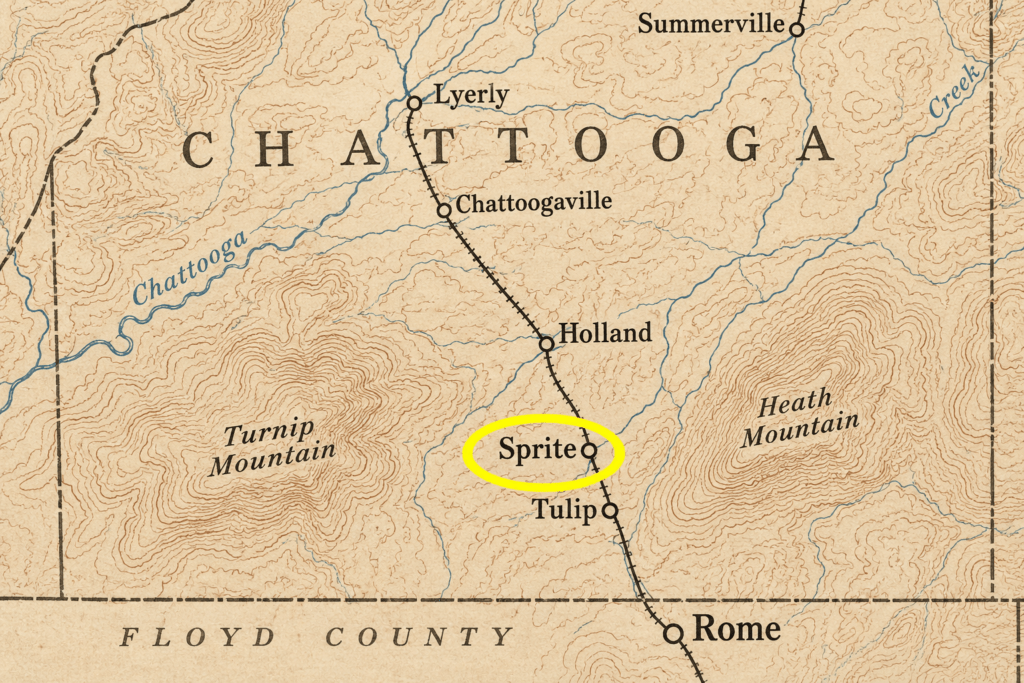
Long before GPS, interstate highways and modern road signs, the map of Chattooga County was dotted with small communities whose names were familiar to generations of local residents.
Some survived. Others changed names or gradually disappeared.
One of the more unusual was Sprite, Georgia.