









Livestock owners in Chattooga County and across Georgia are being urged to stay alert as the Georgia Department of Agriculture has reinstated enhanced animal-entry requirements following another detection of New World screwworm in New Mexico.
Livestock owners in Chattooga County and across Georgia are being urged to stay alert as the Georgia Department of Agriculture has reinstated enhanced animal-entry requirements following another detection of New World screwworm in New Mexico.
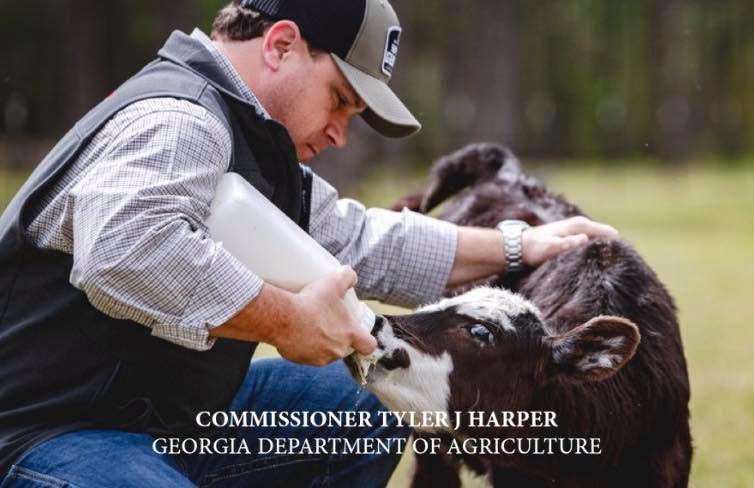
Georgia Agriculture Commissioner Tyler Harper is raising concerns about President Donald Trump’s plan to temporarily allow more foreign beef into the United States, saying the move could undercut American cattle producers just as they are beginning to recover from several difficult years.
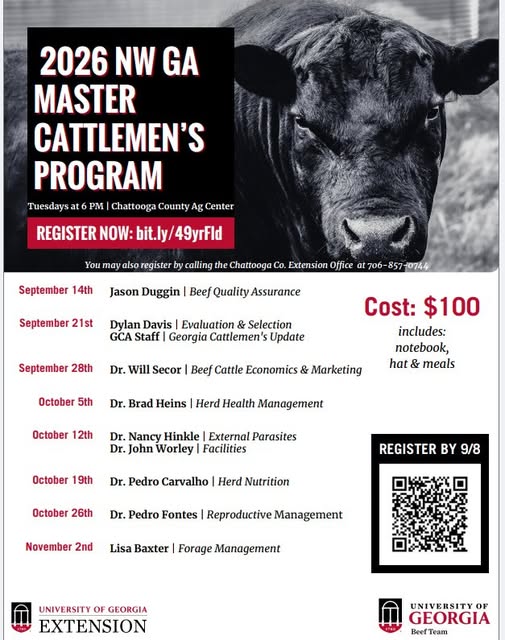
Cattle producers from across northwest Georgia will have an opportunity to expand their knowledge of herd management, nutrition, marketing and other areas of the cattle industry when the 2026 Northwest Georgia Master Cattlemen’s Program comes to Chattooga County this fall.
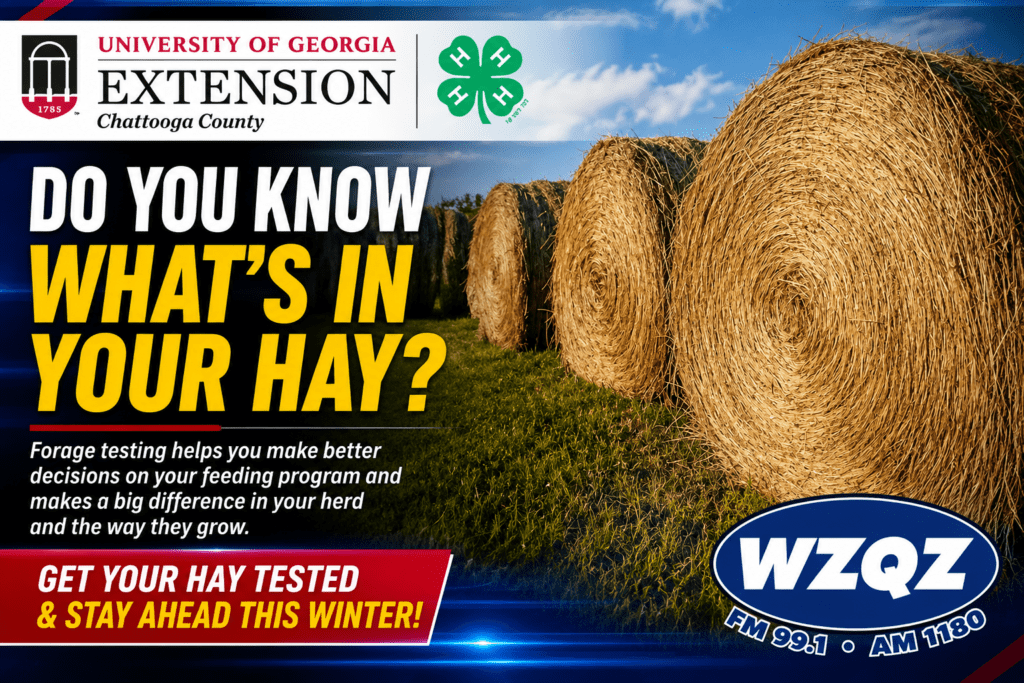
Chattooga County Extension is encouraging livestock producers to have their hay and other stored forage tested while this year’s hay crop is being harvested.
Forage testing provides information about the nutritional value and overall quality of hay, helping producers make better decisions when developing feeding programs for times when fresh grass is unavailable. Hay quality can significantly affect livestock health, growth, performance and the amount of supplemental feed needed during the winter.
University of Georgia Extension specialists say appearance alone cannot reliably determine the nutritional value of a particular supply of hay. A laboratory analysis can measure factors such as crude protein, fiber, digestibility and total digestible nutrients, allowing producers to build a feeding plan around the actual needs of their animals.
A representative sample is important for accurate results. UGA recommends using a clean forage probe and collecting samples from multiple randomly selected bales rather than simply pulling hay from the outside of a bale.
With hay now being cut and stored across the area, Chattooga County Extension says this is a good time for producers to test their forage and begin planning for the upcoming winter feeding season.
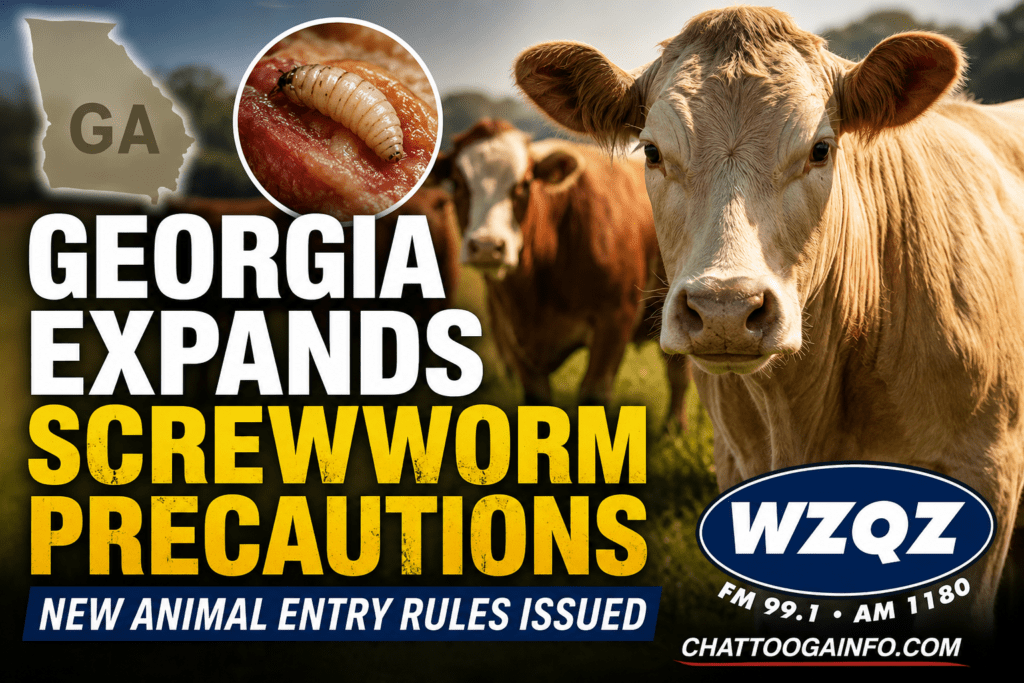
Georgia agriculture officials have expanded animal entry requirements following the detection of New World screwworm in the United States, a livestock pest that was eradicated from the country decades ago.
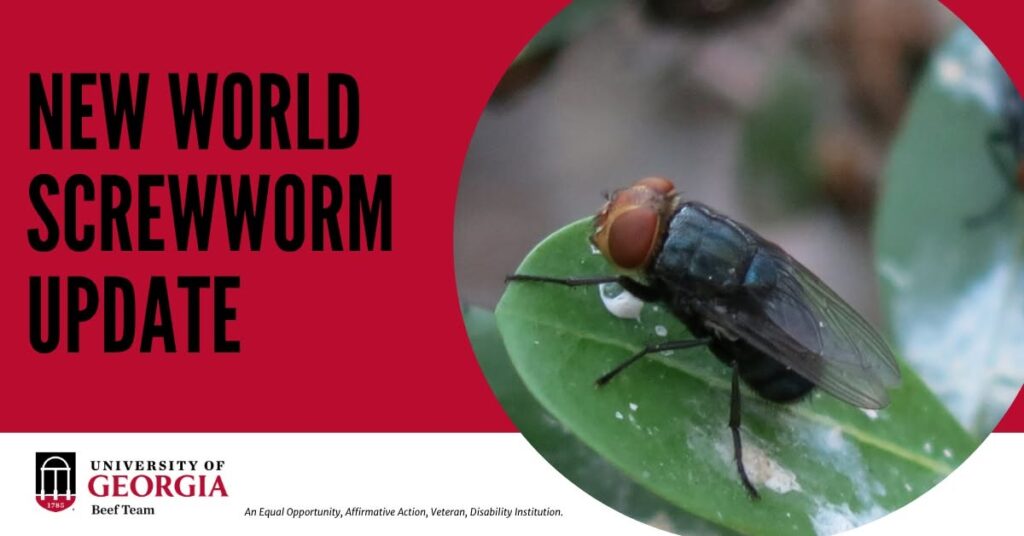
Livestock producers are being urged to stay alert following the recent confirmation of a New World screwworm case in the United States.
The USDA confirmed New World screwworm in a calf in Zavala County, Texas, on June 3. The CDC says no locally acquired human infestations have been reported in the United States, but the outbreak has been moving northward through Central America and Mexico since 2023, affecting livestock, pets, wildlife, and people.
New World screwworm is a serious pest that can infest wounds in warm-blooded animals. Because of the potential risk to livestock and agriculture, the USDA has released preparedness resources for producers, including current status updates, a U.S. response plan, fact sheets, field identification guides, and additional response materials.
The National Cattlemen’s Beef Association says it also plans to release simplified resources in the coming weeks to help producers better understand the USDA response playbook.
Producers are encouraged to review USDA materials and monitor livestock closely for suspicious wounds or signs of infestation.

Georgia agriculture leaders are continuing efforts to strengthen the state’s farming industry through new business resources and expanded market opportunities.

Chattooga County Extension officials say hay is finally being cut across much of the county, but recent drought conditions could have a noticeable impact on both yield and quality this season.
According to Chattooga County Extension, the dry weather may lead to lower hay yields, reduced nutritional value, and more weeds in local hay fields. Officials say that makes forage testing especially important for farmers and livestock owners who depend on hay for feed.
Extension officials say producers should not assume the quality of their forage without proper testing. Hay testing can help determine key values such as protein percentage, total digestible nutrients, and relative forage quality.
Those numbers can help livestock owners better understand whether their hay will meet nutritional needs or whether additional feed supplements may be necessary.
Farmers are encouraged to test hay as it is harvested and review the results carefully before relying on it through the season.
More information is available through the Chattooga County Extension Office.
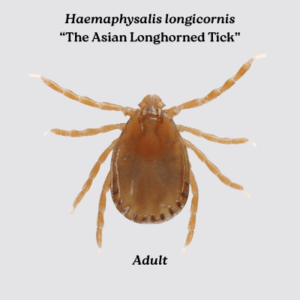
Agriculture and animal health officials in Georgia and Alabama are urging livestock owners, pet owners, and outdoor enthusiasts to be on alert after the Asian Longhorned Tick was confirmed in multiple counties across the region.

As spring planting season gets underway, farmers across Georgia—including those in Northwest Georgia—are facing rising costs that are putting pressure on already tight budgets.